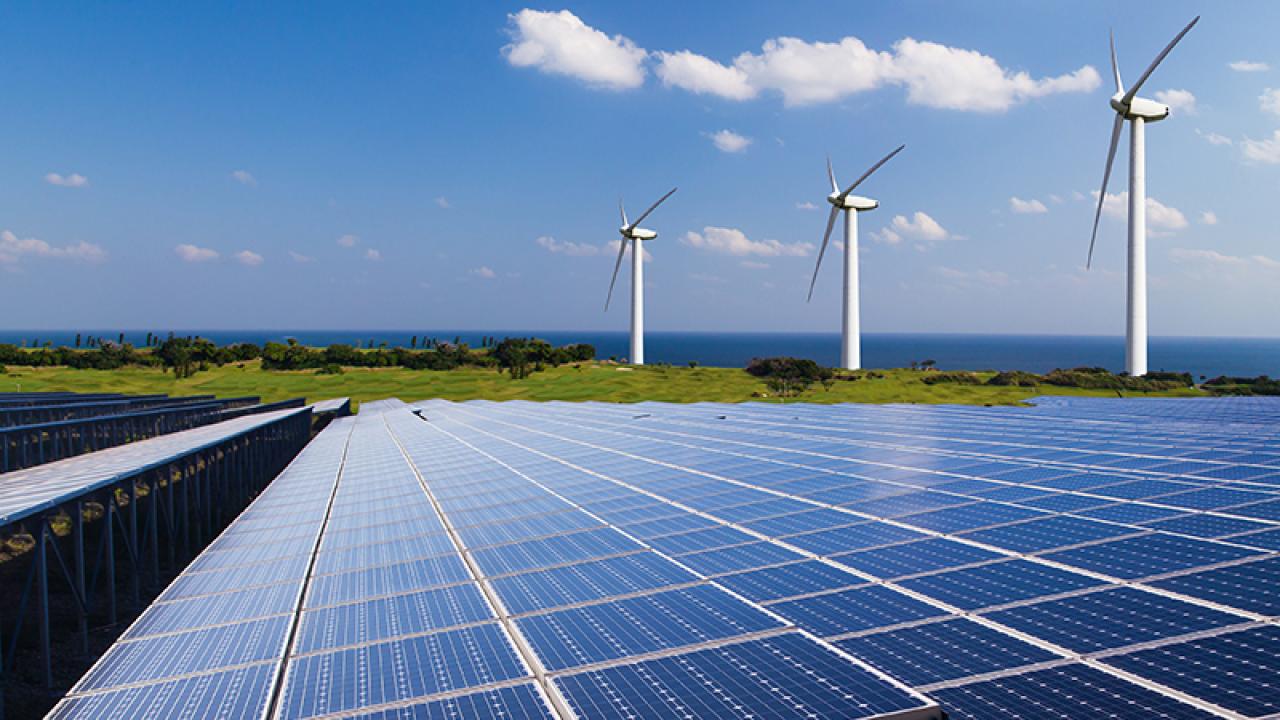
To help address growing demand for solar energy generation in the southwestern U.S., Diode Ventures (Diode) announced today that has reached financial close on the Grizzly Ridge Solar Project
The World Business Council for Sustainable Development (WBCSD) releases its new guide “Microgrids for commercial and industrial companies.” Presented by ABB, CLP Group, Eaton Corporation, EDP, Enel Group and Schneider Electric, the report explains when, why and how commercial and industrial (C&I) companies can benefit from low-carbon microgrids.
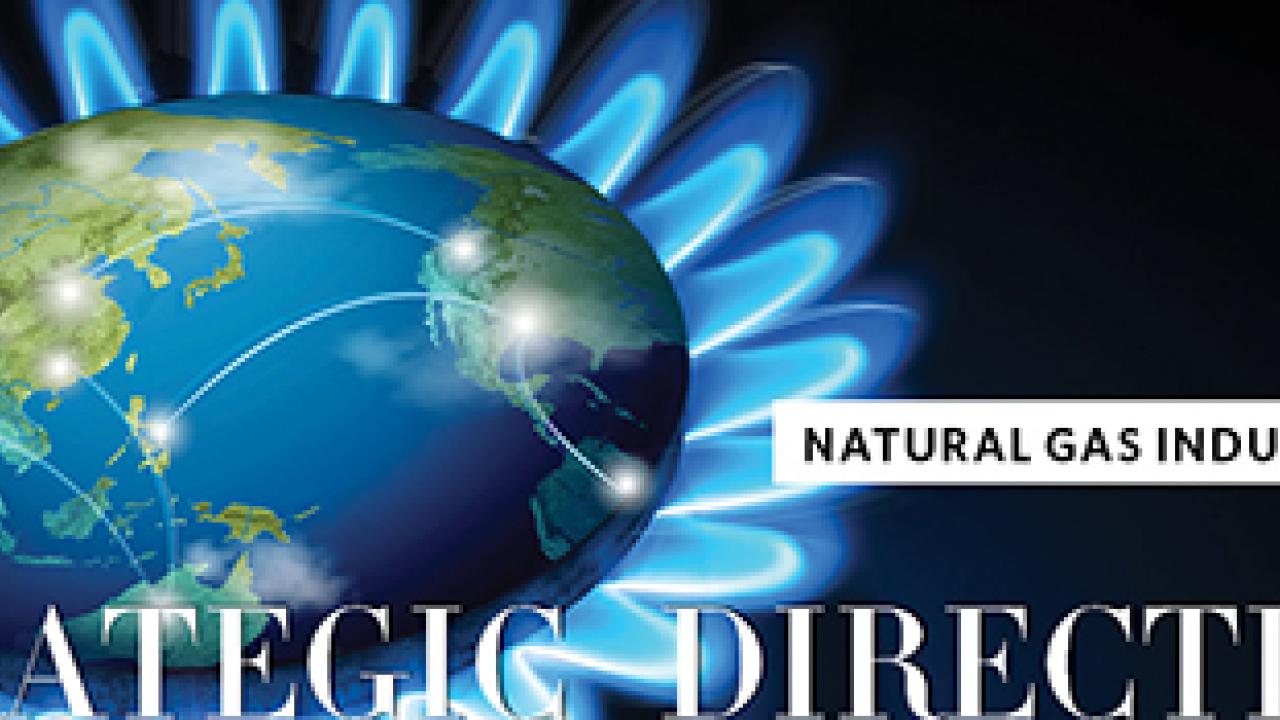
The newly released 2017 Strategic Directions: Natural Gas Industry Report by Black & Veatch examines how organizations are planning for long-term, sustainable operations that can accommodate rising supplies and deliver them to markets eager to use natural gas as a cheaper and cleaner power generation source.
Imagine a California just over a decade from now. It’s the year 2030 and more than 7 million electric cars are traversing along busy freeways and crowded streets. Most of your electricity is from solar and wind. The air you are breathing is now cleaner than it’s been in more than 10 years.
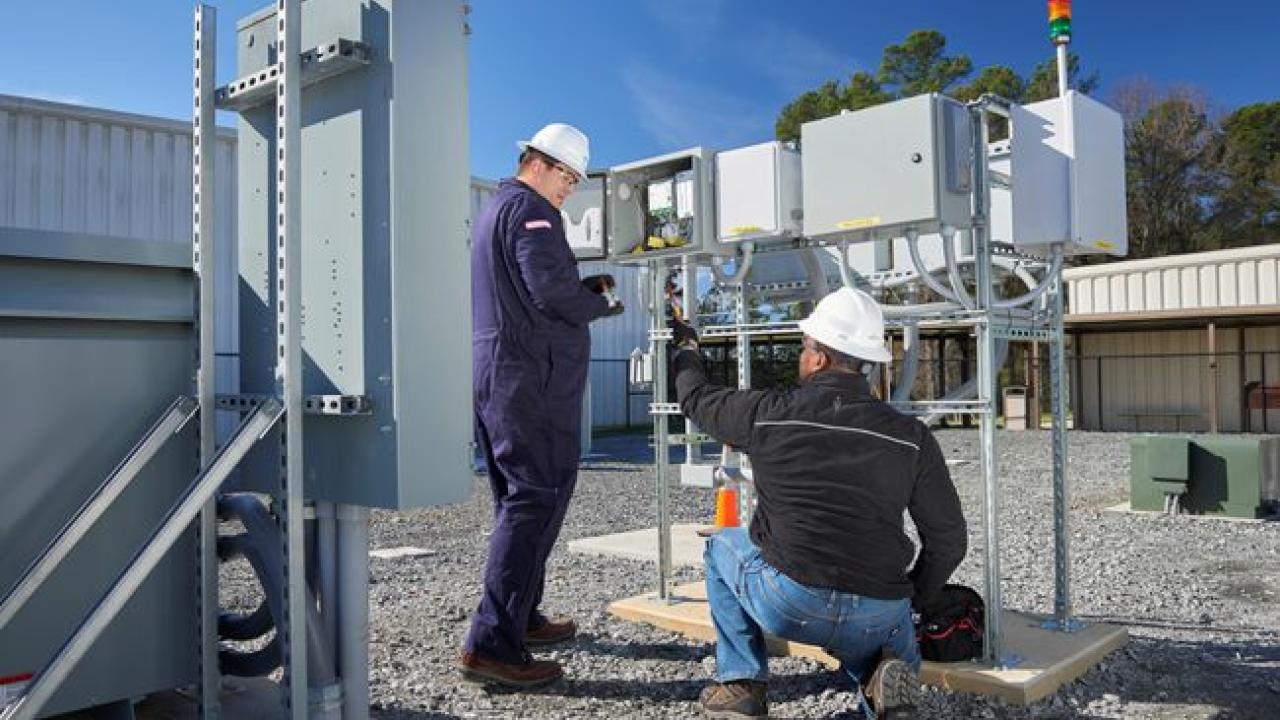
As part of a commitment to advance cleaner energy for its customers, Duke Energy is planning to install battery storage equipment and solar panels that will operate as a microgrid at the Indiana National Guard's Camp Atterbury training operation in Johnson County, Ind. The company will also install battery storage equipment at a substation in Nabb, Ind., in Clark County.
BSR and the We Mean Business coalition introduce the Climate Policy Tracker—a freely available online platform designed to help businesses determine which climate policies are relevant to them across key regions and sectors.
Michael Vachiraadisorn, General Motors’ Environmental Defense Fund Climate Corps fellow, brought a unique perspective to the company as an MBA candidate at the University of Oregon. During his 10 weeks with GM, Michael used both his engineering background and new business acumen to bring fresh perspective on solving energy challenges.
What are SBTs? Put simply, Science-based Targets specifies how much and how quickly companies need to reduce GHG emissions in order to avoid a 2°C global temperature increase. SBTs provide a clear pathway for a company to achieve future business growth while remaining below the 2°C limit. More than 300 companies have committed to setting SBTs under the Science Based Targets Initiative (SBTi) and over 70 companies have approved SBTs.
What would a repeal of the Clean Power Plan (CPP) actually mean? The announcement that the EPA is seeking to repeal the CPP raises some valid questions about the future of clean energy and carbon emissions in the U.S. To understand the impact, let’s look at some important context.
Black & Veatch, a leading engineering, construction and consulting company and Renewable Energy Test Center (RETC), a world-class engineering services and certification testing provider for photovoltaic and renewable energy products, will launch the first bifacial photovoltaic (PV) module ranking in the solar industry.
Cascale shares updates from its Board of Directors who serve as the principal governing body and are responsible for setting the strategic direction...
AEG embraces its responsibility to enrich the lives of people in the communities around the world where we do business, and to use business to create...
Everyone’s financial journey is different. We make intentional efforts to meet the individual needs of clients and communities through a diverse range...
The SCS Kingfisher certification mark is showing up on an increasing number of products around the world. It differentiates companies that are making...