






It’s Time to Bee Better
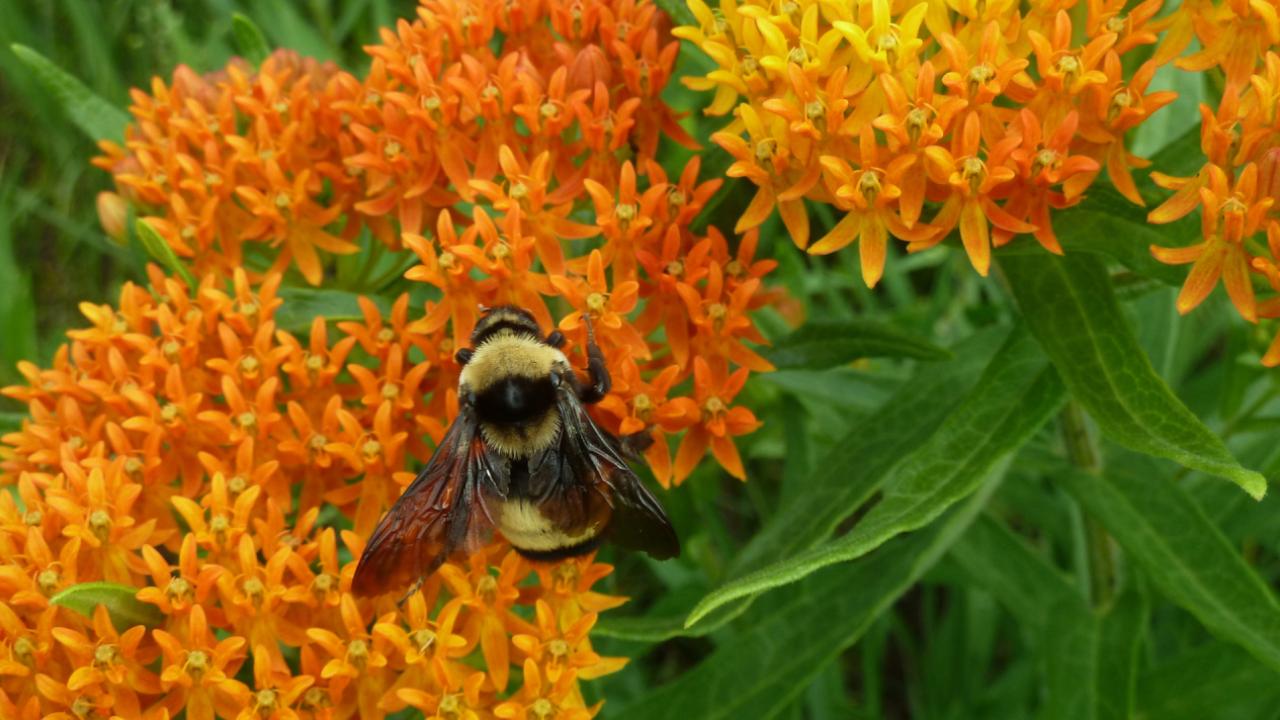
Oregon Tilth and the Xerces Society have created Bee Better, a new certification designed to encourage a pollinator-friendly approach to agriculture and meet consumer demand for increased transparency and environmental responsibility from food producers.
Applying Human Centered Design to Solvable Problems
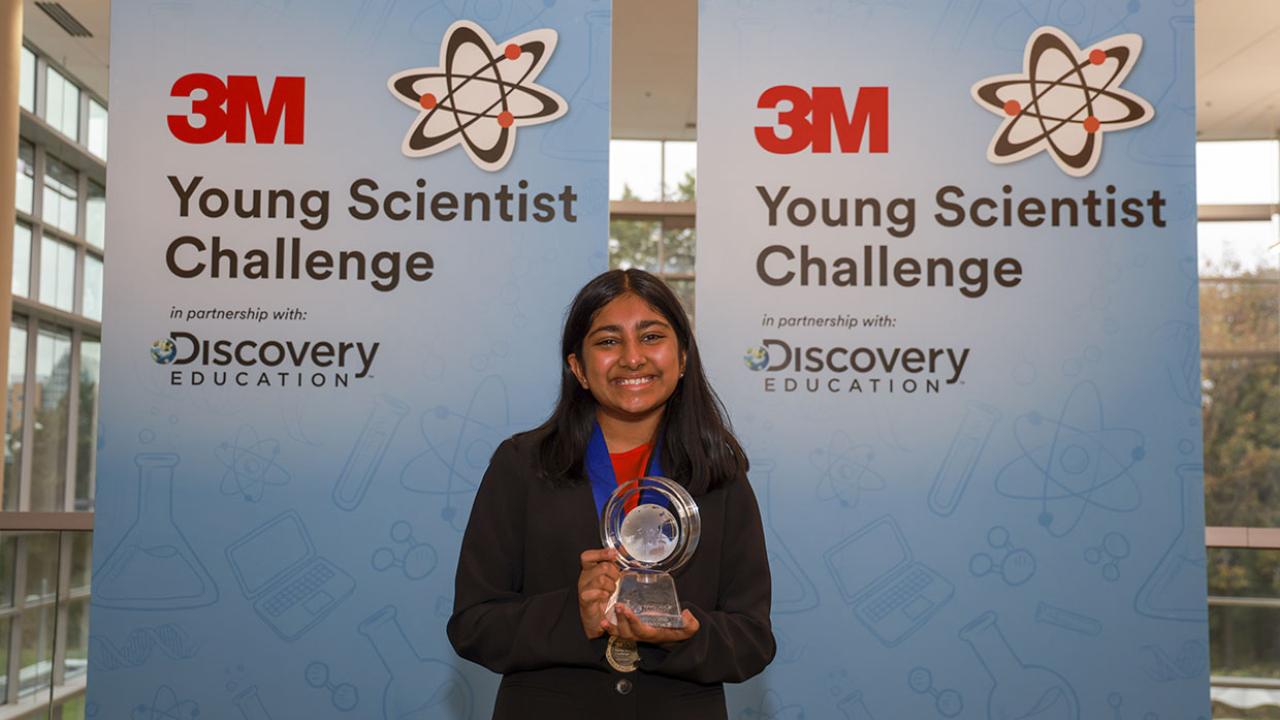
The amount of post-harvest loss (PHL) in countries of the Global South is familiar to many by now. In Africa alone, 50 percent of fruits and vegetables, 40 percent of roots and tubers, and 20 percent of cereals—all of which are staple foods—are lost after harvest or during processing. Fortunately, solutions to PHL exist and with pilots underway attempting to introduce low-fidelity technologies into the equation, the future of reduced PHL looks promising. While PHL is a solvable problem, the timely diffusion of applicable technologies into the local context remains challenging. And the negative repercussions of insensitive approaches of noble intent should be identified and avoided early in the process.
Rebuilding the Talent Supply Chain
The American Dream has always been fueled by opportunity—the opportunity to create a life better than your parents had, the opportunity to reinvent yourself, the opportunity to live out your fullest potential. The American Dream is tightly woven into the fabric of our country; inextricable from what it means to call oneself an American. But the American Dream is facing a new challenge, and if not addressed properly, millions may lose out on the opportunities America has always afforded her people.

The CollaborateUp Formula
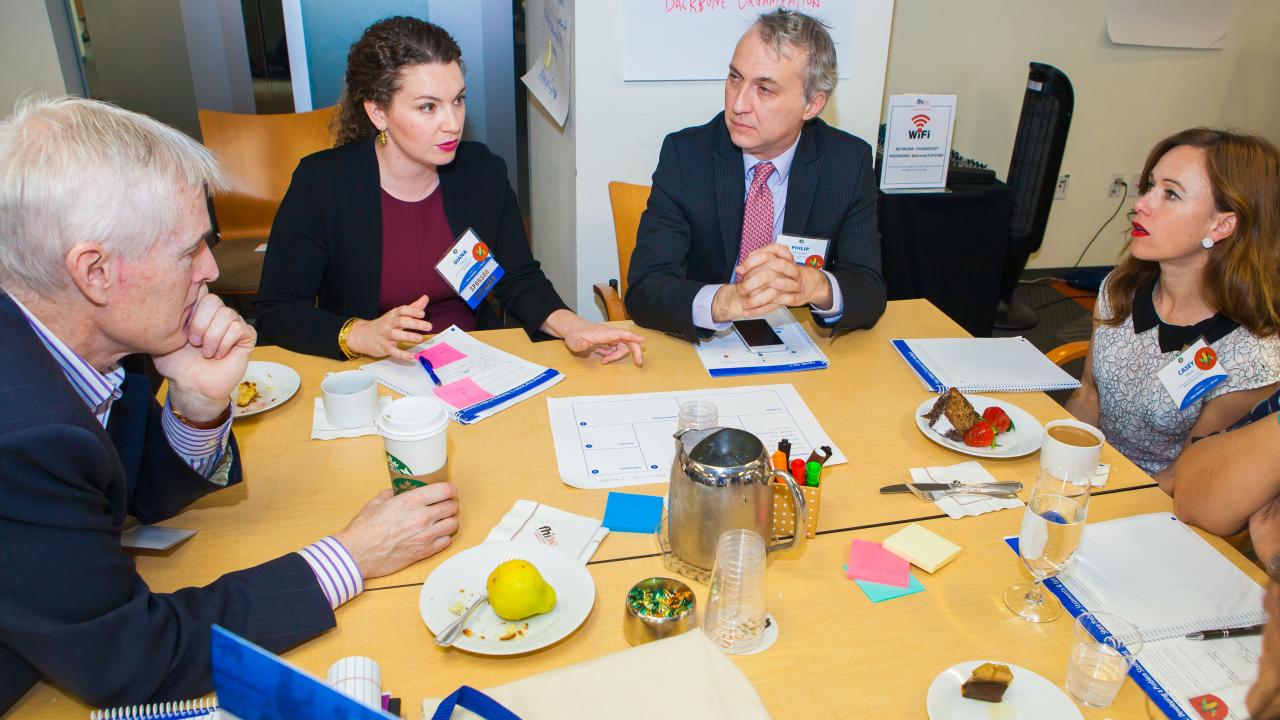
The CollaborateUp Formula for forming, managing, and scaling partnerships outlines the deliberative steps needed to approach multi-stakeholder challenges for which there are no obvious responsible parties. The Formula combines a wealth of partnership-building experience, adapted rapid development tools, and elements of the Lean Startup methodology, to give practitioners the agility to identify and pursue a path forward, no matter the context.
A Pluralistic Approach to Non-Communicable Diseases
More than five years have passed since the 2011 United Nations high-level meeting on the Prevention and Control of Non-communicable Diseases (NCDs). NCDs such as cardiovascular disease, cancer, diabetes, and chronic lung disease are a leading cause of mortality worldwide, responsible for more than 30 million deaths annually. These diseases alone place an enormous burden on health systems, representing $2 trillion a year in health costs, and the projected toll in lost economic output by 2030 is a staggering $47 trillion. Beyond the impacts on economic output, NCDs will continue to deepen poverty and impede our collective ability to achieve the UN Sustainable Development Goals.
Skating to Success in Harlem
In our current political climate, characterized by confusion, vitriol, and disruption, practicing servant leadership is more important than ever. Servant leaders are those who place the needs of the group ahead of their own and use empathy to create environments in which everyone can thrive. At the PIMCO Foundation, this philosophy is visible in our volunteering initiatives and in the focus of our grant making. In our view, an ethos of caring for others is the cornerstone of healthy societies. We firmly believe that volunteering builds this spirit of community empowerment; it can be transformative. In my own experience, it has both moved and molded me. It has been my privilege to work with others who embody these same values.
Building a Township Tech Hub
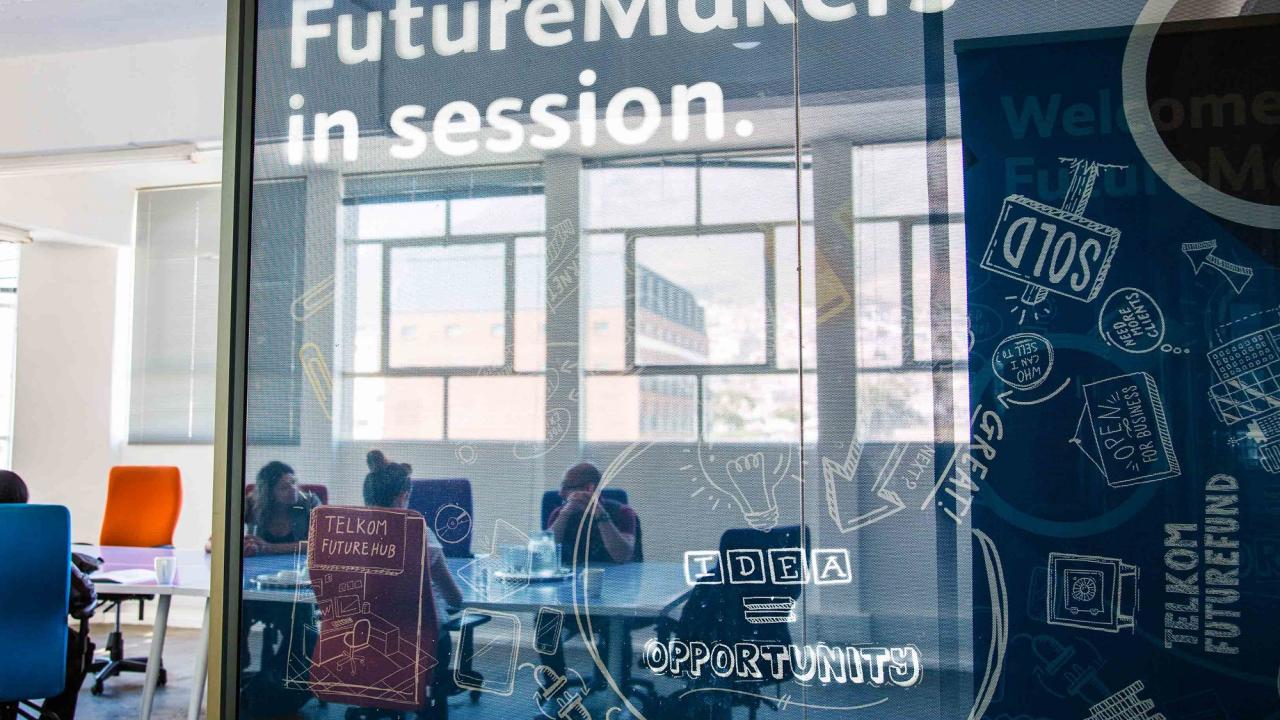
This is part two in a series highlighting the SAP Social Sabbatical for global engagement in Cape Town, South Africa, which focused on bridging the digital divide in the city’s most underserved communities. Stay tuned for part III, out next week. Read part one here.

—

Climbing the wooden staircase to the top of Lookout Hill, one finds sweeping panoramic views of the Cape Flats area skirting Cape Town. Khayelitsha, the second-largest and fastest-growing township in South Africa, sprawls to the east; the township of Mitchell’s Plain rolls to the west. At the base of the hill, strategically situated between these two underserved communities, is the Khayelitsha Bandwidth Barn, a startup incubator and accelerator serving community entrepreneurs.
Andrew Tremblay and the WWF-Canada’s CN Tower Climb for Nature
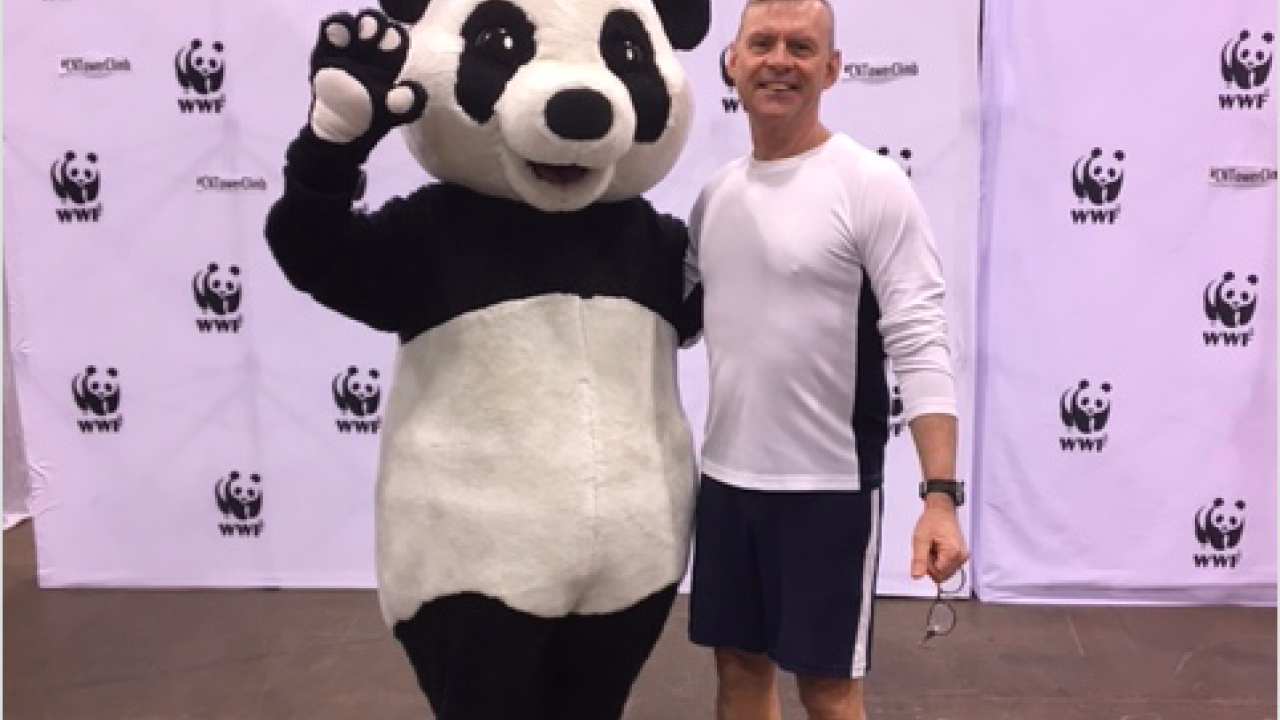
Ten years ago, Domtar Difference Maker Andrew Tremblay sized up up the CN Tower’s 147 stories and 1,776 stairs before taking his first try at the CN Tower Climb for Nature, a fundraiser put on by the World Wildlife Fund (WWF) Canada to help ensure a healthy, thriving planet. Find out why.
FSG
Investing in Entry-Level Talent: Retention Strategies that Work
That's how much voluntary entry-level turnover cost the U.S. retail industry in 2016. And turnover rates are rising across industries from healthcare to banking.
Bacardi Named 84th Most Reputable Global Brand
Bacardi Limited has been named among the 100 most reputable companies in the world in Forbes magazine for the fifth year in a row.

Latest Campaigns

SCS_EU

SCS Global Services Europe is the European arm of SCS Global Services, an international leader in sustainability certification, verification, and...

Aflac Insights

Learn more about Aflac’s survey findings to better understand workplace trends as well as consumer attitudes, habits and opinions toward health and...

Drive for MPC

At Marathon Petroleum, our professional truck drivers share one common vision: no accidents, no injuries, and no harm to the environment. We’re proud...

Planet in Balance

Our Prescription for a Better World framework is organized around three key pillars: building healthy communities (Health in Action), protecting the...
Leadership

Cascale demonstrates industry leadership and collaboration to drive collective action, by sharing insight into key sustainability topics inside and...
IWBI | WELL Building Standard

Our built environment can shape our habits and choices, regulate our sleep-wake cycle, drive us toward healthy and unhealthy choices, and passively...