Responsible Production & the Circular Economy

Corporate stories about Responsible Production & the Circular Economy across 3BL's network.

Latest in Responsible Production & the Circular Economy
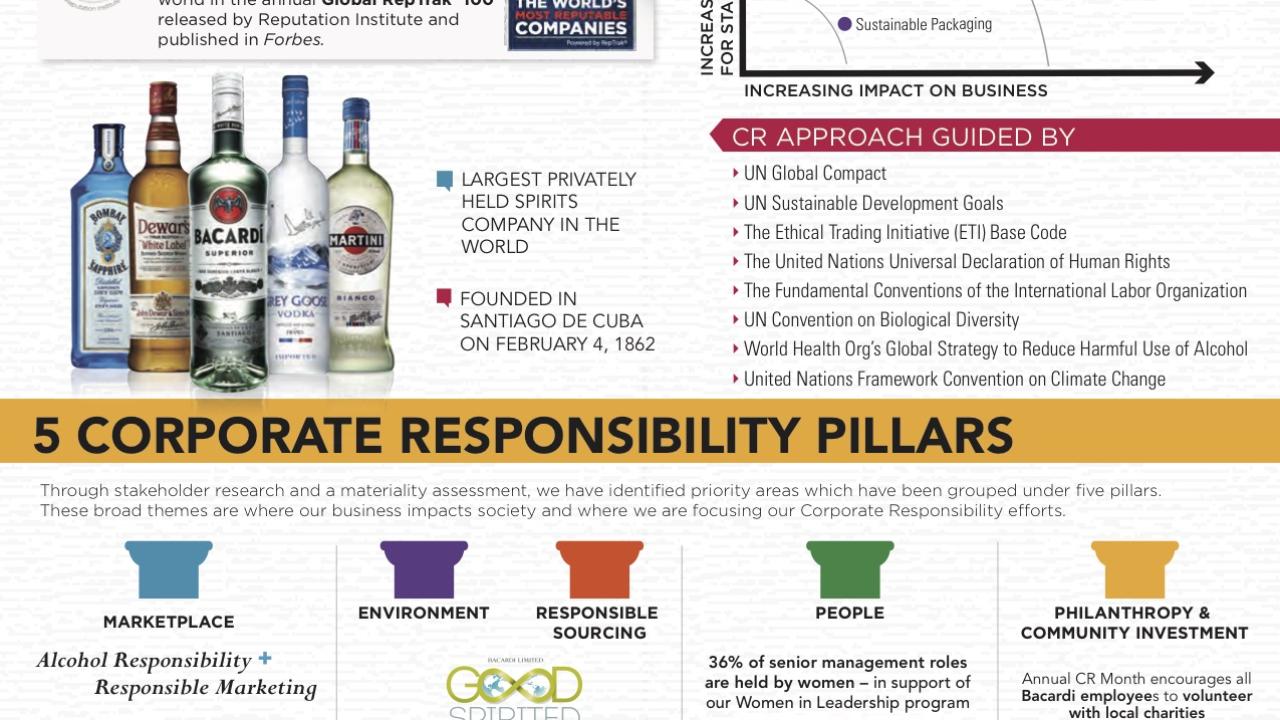
INFOGRAPHIC | Bacardi's Commitment to Being a Responsible Corporate Citizen
Bacardi's commitment to being a responsible corporate citizen is guided by its values of Trust, Passion, Caring and Excellence. Check out the company’s corporate responsibility (CR) one-pager to see how the largest privately held spirits company in the world approaches CR.
Suppliers Stir Up Fresh Perspectives
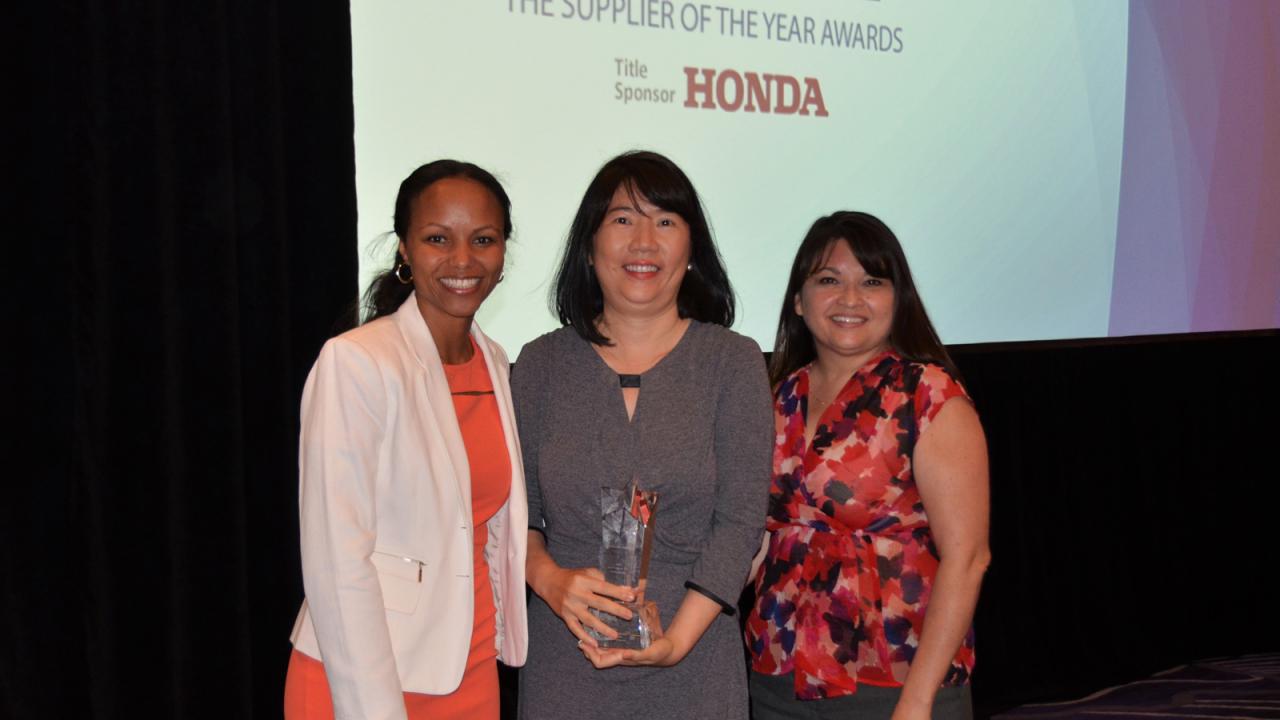
Variety isn’t merely the spice of life — it’s also healthy for our business. Every day across Comcast NBCUniversal, our thousands of suppliers with diverse ethnic, cultural, and experiential backgrounds contribute unique perspectives that help us better serve customers and viewers.

We continually invest in creating new and greater opportunities for diverse-owned companies to work with us. In 2016, Comcast NBCUniversal’s spending with diverse suppliers topped $3 billion, and we participated in more than 100 national, regional, and local supplier diversity outreach events across our footprint.
Dumpster-Diving Your Way Into Zero Waste to Landfill
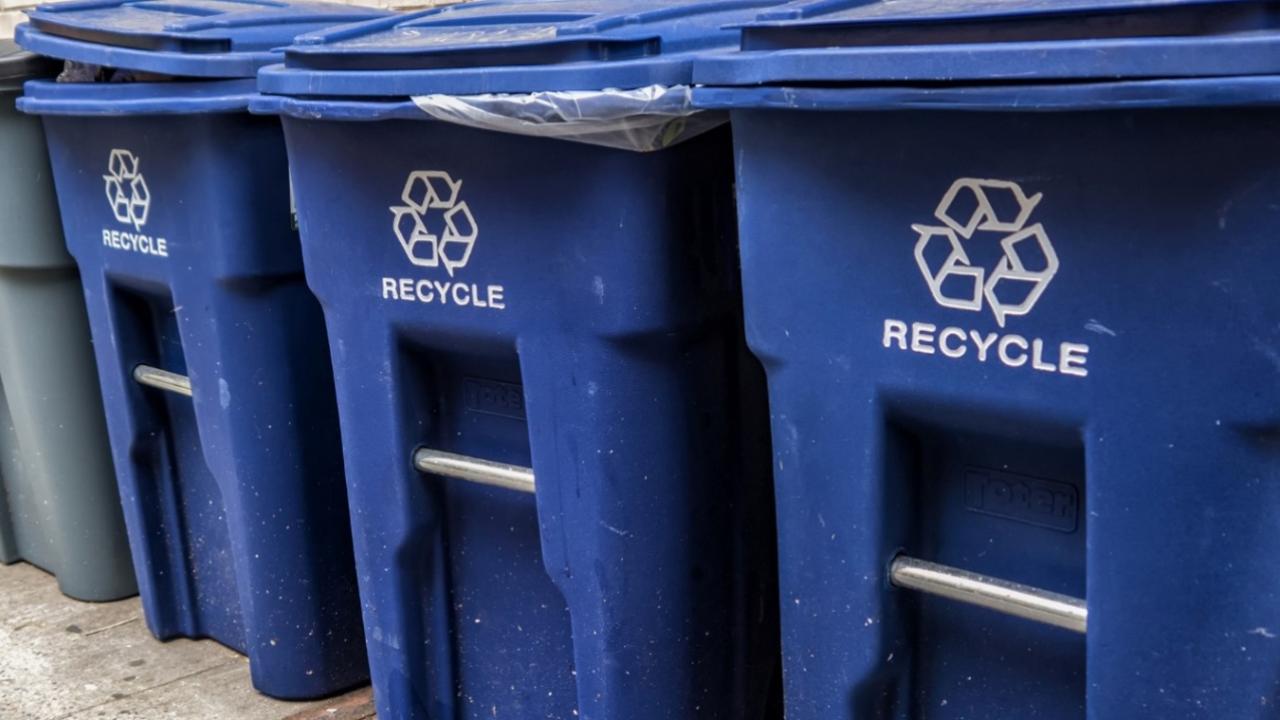
Roughly 12 billion metric tons of plastic waste will be in landfills by 2050, according to the American Association for the Advancement of Science. Landfill waste is linked to the release of methane and other potent greenhouse gas emissions, pollution of groundwater, contamination of waterways and negative effects on local wildlife.
Nespresso Goes Big on Sustainability Credentials in Global Campaign: PR Week
After years of being "shy" about how it sources its coffee, Nespresso is putting its partnership with farmers at the center of a new campaign, the brand's CMO tells Campaign.
Genuine Responsibility (TM) at Gildan
Over the last 30 years, Gildan has grown into a very different apparel company, with close to 90% of its revenues being generated from products manufactured in its company-owned and operated factories.
A Smart Cities Summer: A Conversation with EDF Climate Corps Fellow Maham Masood Sadiq
As our cities integrate technology into their infrastructure and become more intelligent, a clear pattern is starting to emerge. The benefits of connectivity are helping to improve people’s lives and protect the environment. From conserving water to solutions that alert us to rush-hour traffic delays, Smart Cities technology represents a vision of a healthier, safer future that is more attainable than ever.
Sustainable Business Practices Can Impact the Bottom Line, Say This Quartet of Researchers -- Lessons Here for Busy Execs
A quartet of experts writing in the Harvard Business Review has responded to the short-term, bottom-line pressures that we hear so much about throughout much of Corporate America.

To develop their case, the authors (three academics and a consultant) looked at Brazil's giant beef industry, a challenge for studying considering the size and complexity of the industry and its long-term impact on the planet.
Bacardi Corporate Responsibility Efforts Highlighted in 2017 Report
Bacardi focuses its award-winning CR efforts in five priority areas: 1) Marketplace (Alcohol Responsibility & Responsible Marketing); 2) Environment; 3) Responsible Sourcing; 4) People; and 5) Philanthropy & Community Investment. The 2017 CR Report details examples within these c
Domtar Sustainability: Bridging the Gap in Forest Certification
What is the difference between certified wood fiber and fiber from sustainably-managed forests? It depends on your perspective.

Ask small landowners in the U.S. Southeast and most will probably say they are responsible forest stewards; many don’t immediately see the value or the need for certification by a third party.
Promoting Sustainably-Managed Woodlands One Parcel at a Time
It’s a little-known fact that more than 75 percent of forestland in the southeastern region of the United States is owned by private woodland owners. Most people assume that this swath of the Appalachian Mountains is either federally held or the property of corporations in the business of making and selling wood-fiber based products such as writing paper, diapers, and paper towels.