Responsible Production & the Circular Economy

Corporate stories about Responsible Production & the Circular Economy across 3BL's network.

Latest in Responsible Production & the Circular Economy
West Elm & Williams-Sonoma, Inc., First International Home Retailer to Partner with Fair Trade USA, Expand Commitment to $3 Million in Premiums by 2020
As the first international home furnishings retailer to partner with Fair Trade USA in 2014, West Elm and parent company Williams-Sonoma, Inc. (NYSE: WSM) today announced plans to expand upon their responsible retail commitments to include a goal to pay premiums of $3 million towards Fair Trade Community Development by 2020.
GM Zeros in on an All-Electric Future
GM summarizes its vision in six words: zero crashes, zero emissions, zero congestion. In a recent LinkedIn post, Mary Barra states, “our generation has the ambition, the talent and the technology to realize the safer, better and more sustainable world we want.”

GM backed up its zero-emissions commitment by announcing it will introduce two electric vehicles in the next 18 months – the first of at least 20 new EVs by 2023.
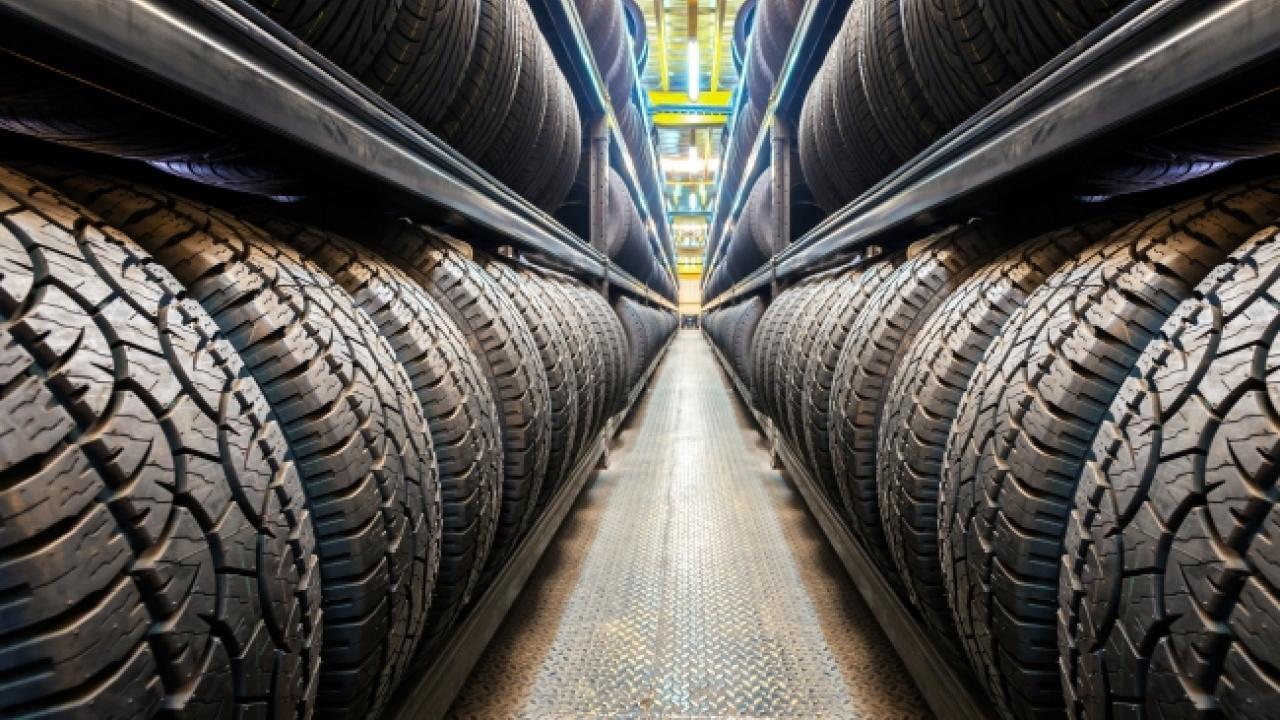
Driving Sustainability: GM’s Collaboration to Use Natural Rubber Tires an Industry-First Topic at COMMIT!Forum
A General Motors partnership with suppliers to use sustainably sourced natural rubber tires is transforming the landscape of the automotive industry in ways that will reduce deforestation and human and labor rights violations.
Cargill VIDEO | 5 Goals for Sustainable Cocoa
In its new Cocoa Promise Report, Cargill is laying out a clear pathway to a sustainable cocoa supply chain. In the five years since the Cocoa Promise, the company’s overarching sustainability commitment for the sector, was launched, Cargill and its farmer partners have made significant progress.
A Father's Sustainability Legacy
In September 2011, one month after Ray C. Anderson died, his two daughters—Mary Anne Lanier, now 60, and Harriet Langford, 57—were summoned to his lawyer’s Atlanta office. Anderson had founded Interface, the world’s largest commercial carpet-tile manufacturer, and he left his daughters a $50 million philanthropic trust.
General Motors Sustainability Newsletter - September/October 2017
GM announced how it is executing on a major element of its vision of a world with zero crashes, zero emissions and zero congestion, recently announced by GM Chairman and CEO Mary Barra. In the next 18 months, GM will introduce two new all-electric vehicles based off learnings from the Chevrolet Bolt EV. They will be the first of at least 20 new all-electric vehicles that will launch by 2023.
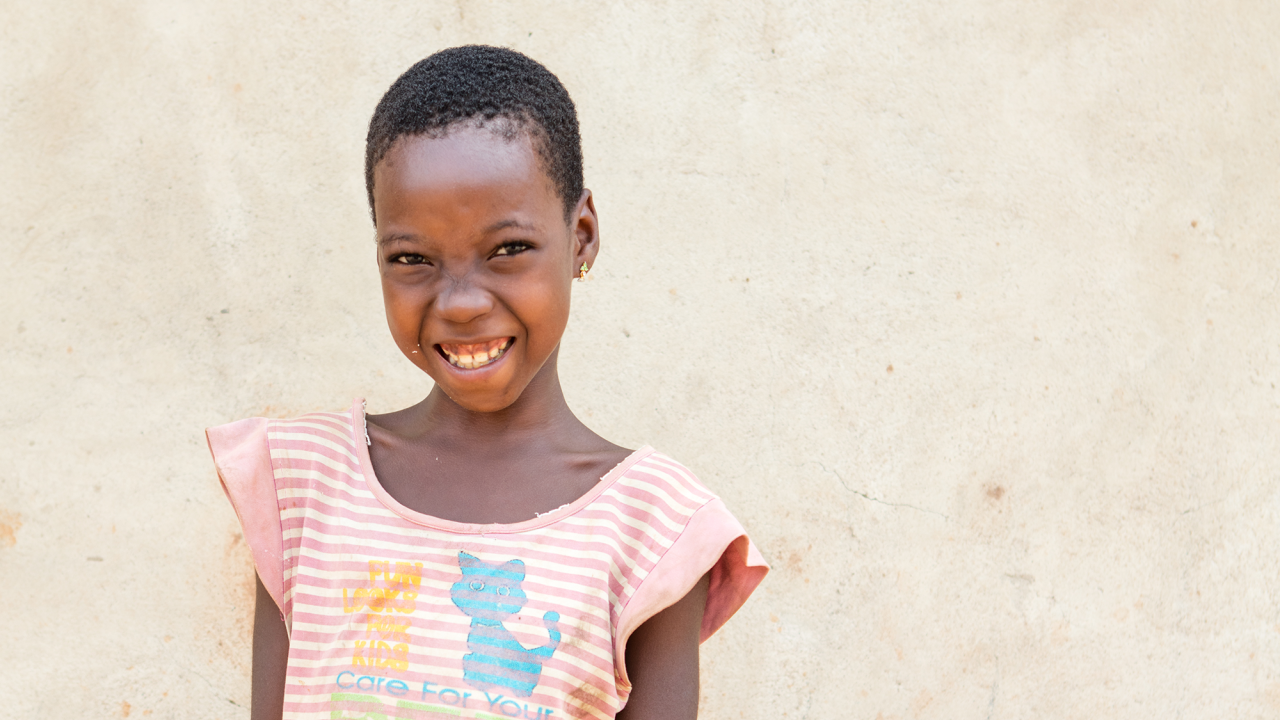
Making a Difference on Child Labour in Cocoa
At Nestlé we use cocoa for many of our global brands. Addressing child labour in the cocoa sector is closely linked to our values as a company and our business success.

To tackle this issue, since 2012 we’ve used a pioneering system to identify and help thousands of children working in the cocoa sector. Our results show that this approach can reduce child labour by 50%. Many of the children we’ve reached now go to school full time.

Our progress is detailed in a report produced and published today by the International Cocoa Initiative and Nestlé. It provides the first comprehensive assessment to date of the successes and the challenges remaining in ending child labour in cocoa.
Announcing the Next Step in Our Circular Economy Journey—Starting With Orlando to Increase Recycling Rates Nationally
For the past three years, the U.S. Chamber of Commerce Foundation has been on a journey to help the private sector and communities realize the value and implement the principles of the circular economy in the United States.

We’ve hosted tours and conferences, released research and case studies—but today, I’m excited to announce the next step in our circular economy journey: the city location for our Beyond 34: Recycling and Recovery for a New Economy project.
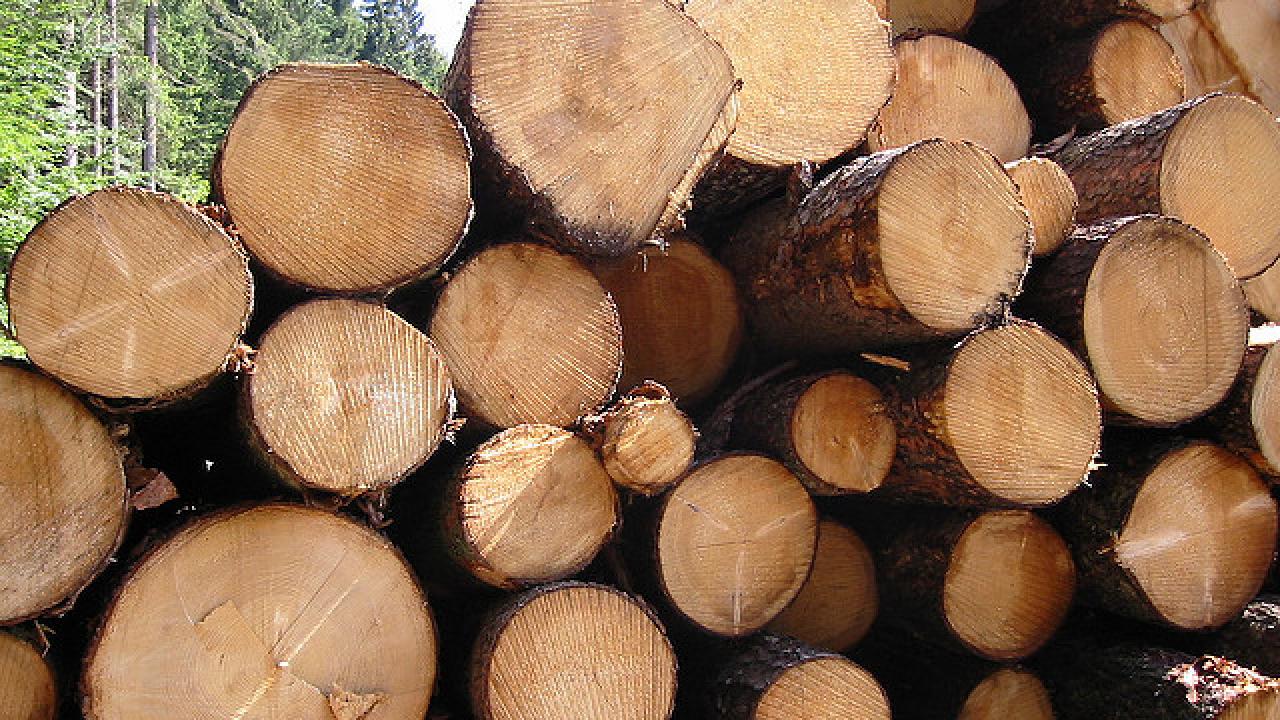
Paper Doesn’t (Just) Grow on Trees: Rolland Innovates Smarter Paper
It is arguably counter-productive to think our modern business world will ever be entirely “paperless.” Focusing instead on production, consumption, and the supply chain connecting all stakeholders can lead to a sustainable “Less Paper” society. Though “Smarter Paper” may be a more accurate moniker.