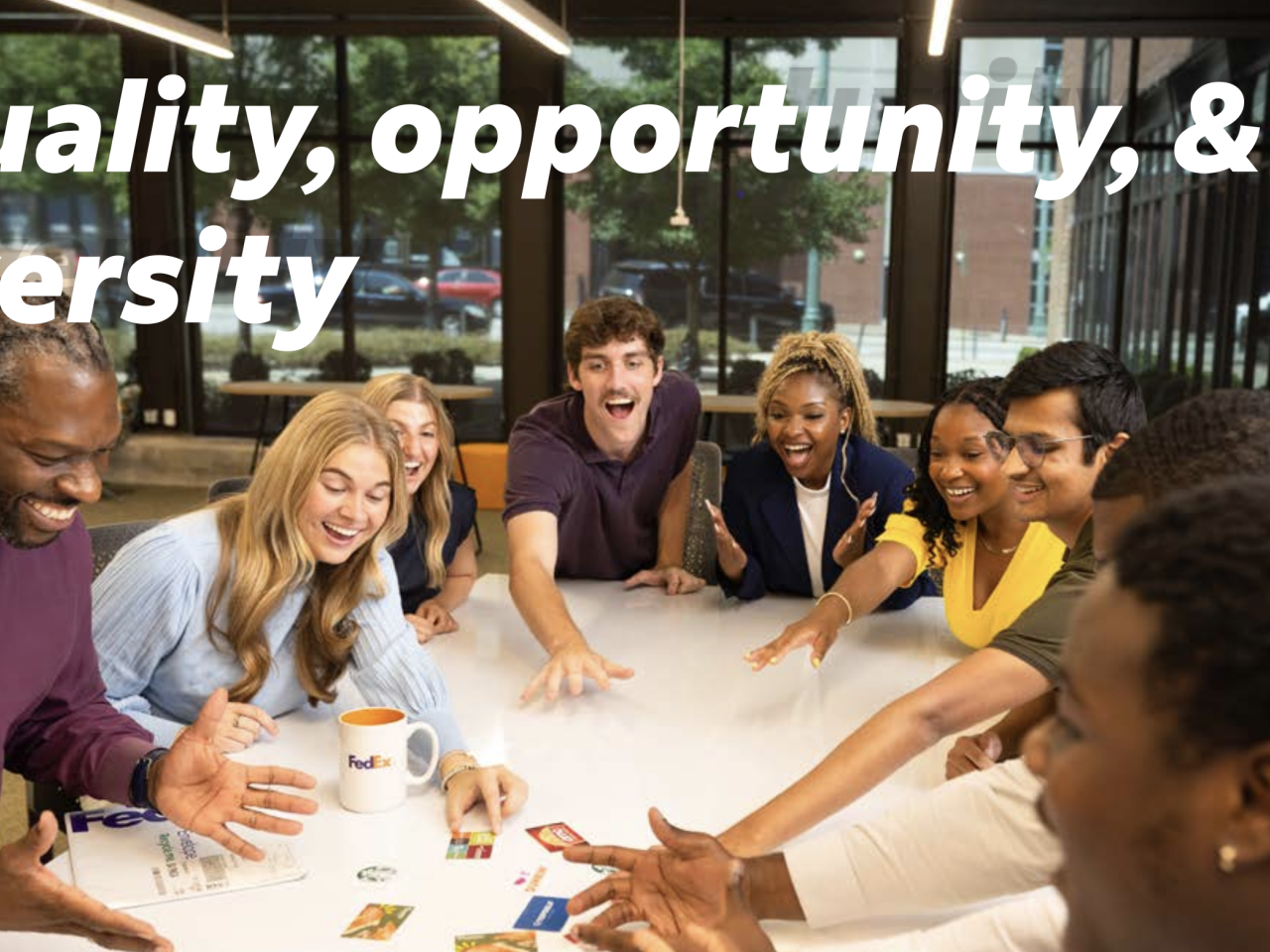
At FedEx, we support nonprofits in the areas of Learning, Leadership, and Economic Opportunity that help students and career seekers build the skills, credentials, and connections to launch upwardly mobile careers.
In this Twitter Chat cohosted by #BUILTBYGIRLS and NetSuite.org, participants share tips for starting and navigating a career in tech as a woman -- from writing a resume to networking and building relationships, and more.
Pat Summitt, head coach of the University of Tennessee Lady Vols basketball team from 1974 to 2012, was a master of hard work, determination and success. Summitt won over 1,098 games, 8 NCAA titles, and the hearts of millions of people across the globe. As the world mourns the recent loss of such an inspiring coach, we also remember her brilliant legacy and the lessons it can teach us as we move forward.
Recently the AT&T Advisory Panel on Access & Aging (AAPAA) met in Washington, D.C. for a semi-annual meeting to discuss needs and trends in the accessibility and aging community with guest speakers and corporate advisors. AAPAA is a group of 15 different organizations that have a vast network of constituencies looking to AT&T to bring innovative technology to the market that allows individuals in accessibility and aging communities to lead fulfilling lives.
Alliance Data is highlighting our biggest wins of 2015: we continued to perform among the top 1% of publicly traded companies, we were recognized by Fortune Magazine for our culture of inclusion, we increased giving by 84%, and more. Check out this infographic about our 2015 achievements.
After reading Kathy Gu’s review of Benevity's 2016 Goodness Matters User Conference on the Silicon Valley Community Foundation (SVCF) website, we thought it would be a good time to pick her brain for insights that are sure to be interesting to anyone running corporate giving programs. We got a chance to catch up with Kathy recently about workplace giving, employee engagement and the corporate responsibility field in general. Her replies paint a picture of the evolving world of the CR professional, and how both Hewlett Packard Enterprise (HPE) and SVCF are engaging people, connecting with communities and creating meaningful charitable impact.
With nearly 700,000 people being released annually from prisons in the U.S., there is a dire need for programs that help former prisoners reintegrate into society and establish productive lives. Finding employment is a crucial step in the re-entry process, and that’s where WhenPeopleWork.com comes in.
Join us as we travel the world to uncover real stories of impact—from landfills and energy transition to workplace safety, emerging contaminants, and...
Trane Technologies is a global climate innovator with a clear purpose to boldly challenge what’s possible for a sustainable world. See how embedding...
In states where Key has a presence, there are approximately 1.7 million low- to moderate-income (LMI) households. Many LMI individuals don’t have bank...
Diverse teams build better products — period. At GoDaddy, we make apps and services that our worldwide community of entrepreneurs can relate to. Our...