Responsible Production & the Circular Economy

Corporate stories about Responsible Production & the Circular Economy across 3BL's network.

Latest in Responsible Production & the Circular Economy
Keep America Beautiful Advances Effort to Recycle More and Recycle Right Ahead of America Recycles Day
America Recycles Day, a Keep America Beautiful national initiative that takes place on and in the weeks leading into Nov. 15, recognizes the economic, environmental and social benefits of recycling, and provides an educational platform to raise awareness about the value of reducing, reusing and recycling – every day – throughout the year.
Foldit – a Year on: Over 1,000 Gamers Help to Combat the Most Powerful Foodborne Carcinogen
Exactly a year ago on World Food Day 2017, Mars and some of our global partners, said “game on!” to a toxin pervasive in many food supply chains - aflatoxin. Since then people from around the world have been working to investigate new approaches with the objective of creating the demise of aflatoxin. In this case, with a computer simulation called Foldit.
Ecocentricity Blog: Letting the Expert Speak
As I’m sure you know, Hurricane Michael recently slammed into the Florida panhandle and then made its way across South Georgia. While a lot of coverage of the storm focused on what happened to the impacted coastal communities (short story – they got hammered), I feel like there has not been enough attention paid to the impact of Michael on Georgia agriculture.
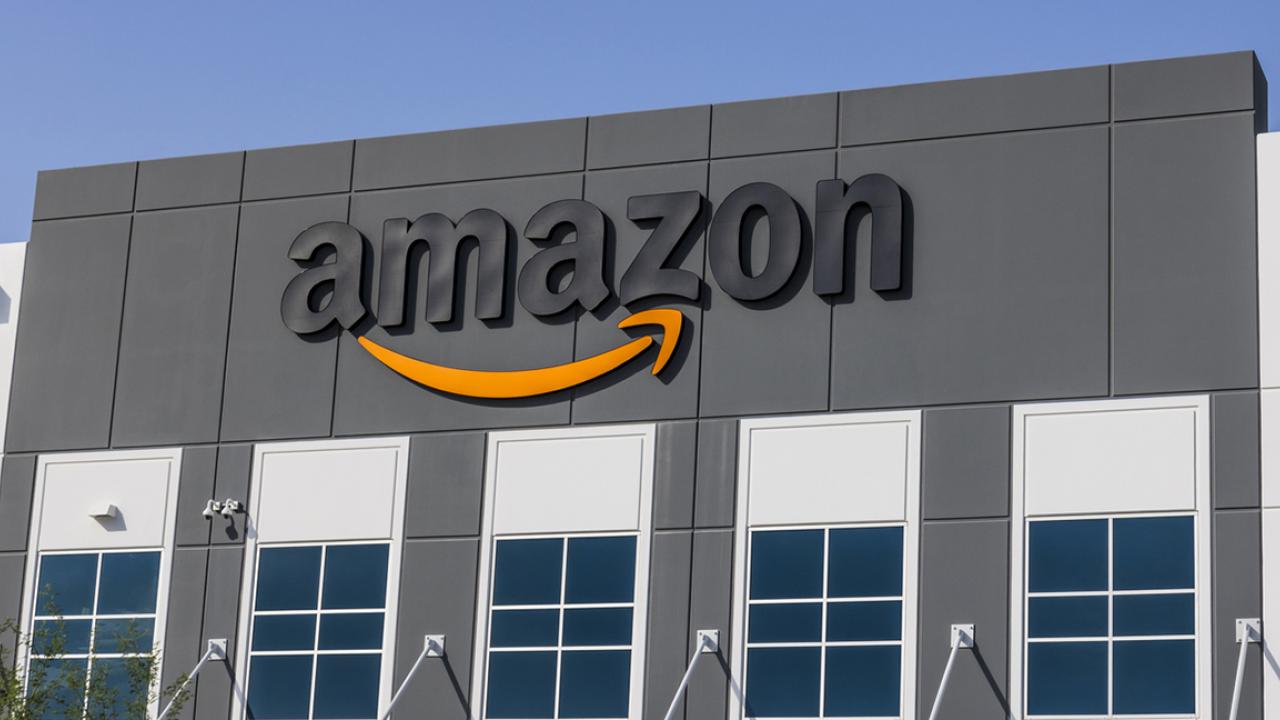
Amazon Joins Walmart, Other Major Retailers on Safer Chemicals
Retail demand for safer products is not only here to stay – it’s now a source of competition in the evolving marketplace. Amazon is the latest retailer to join Walmart, Target, CVS Health, Home Depot, and Rite-Aid by publishing a chemicals policy and a public Restricted Substances List.
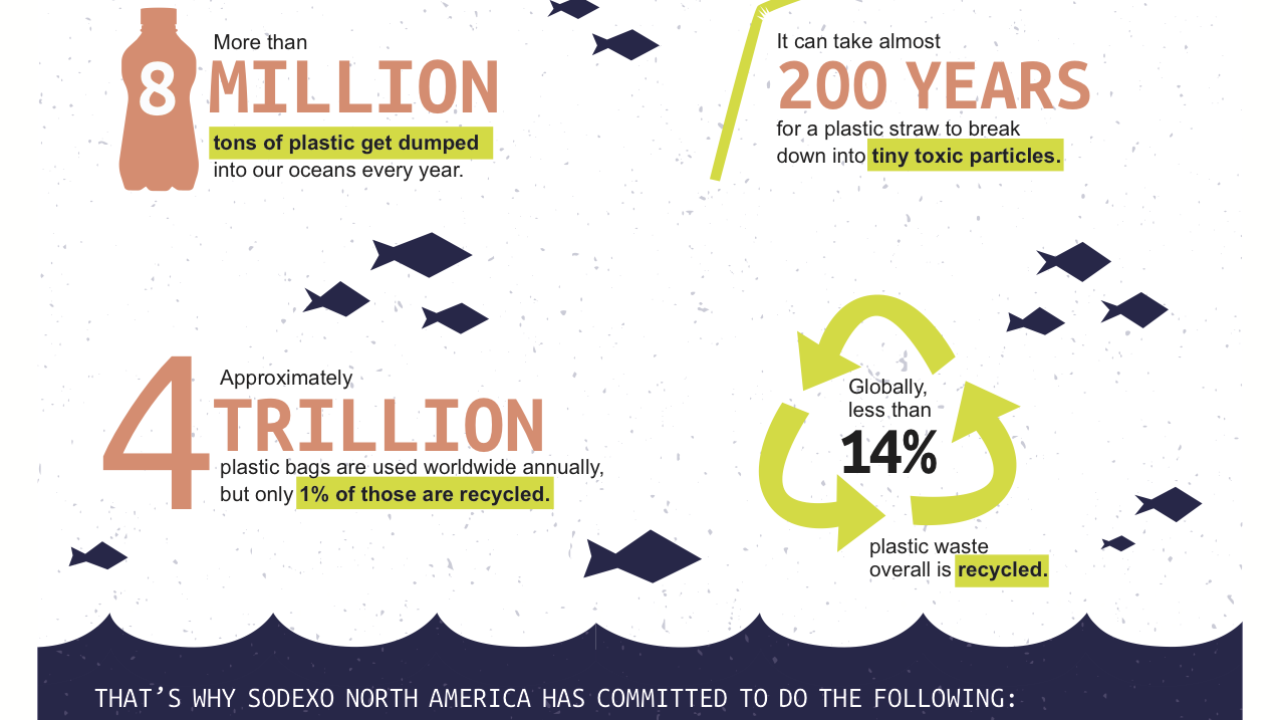
Sodexo Announces Plastics Reduction Policy Balancing Inclusion and Environmental Impact
Sodexo, a food services and facilities management company committed to improving Quality of Life, announced today a North American Single Use Plastics Reduction Plan that will eliminate single use plastic bags and stirrers by 2019, polystyrene foam items such as cups, lids and food containers by 2025, and shift straws to a “by request” item that will still be available to customers who need them while moving toward more sustainable materials.
Waste-Reduction Initiatives: A Key Part of Sustainability
At Domtar, our position as a forest products industry leader is rooted in our ability to focus on sustainability across our manufacturing processes. That’s apparent in the great progress we’ve made toward achieving our 2020 sustainability goals, especially through our waste-reduction initiatives.
The Great Debate: Plastic vs. Paper Drinking Straws
Paper or plastic? It’s a debate that has raged for years about a variety of goods, including grocery bags, food packaging materials, lollipop sticks, personal care items and other single-use products. The latest item to make headlines is the humble straw. Plastic drinking straws are ubiquitous, but they may soon take a backseat to paper drinking straws.
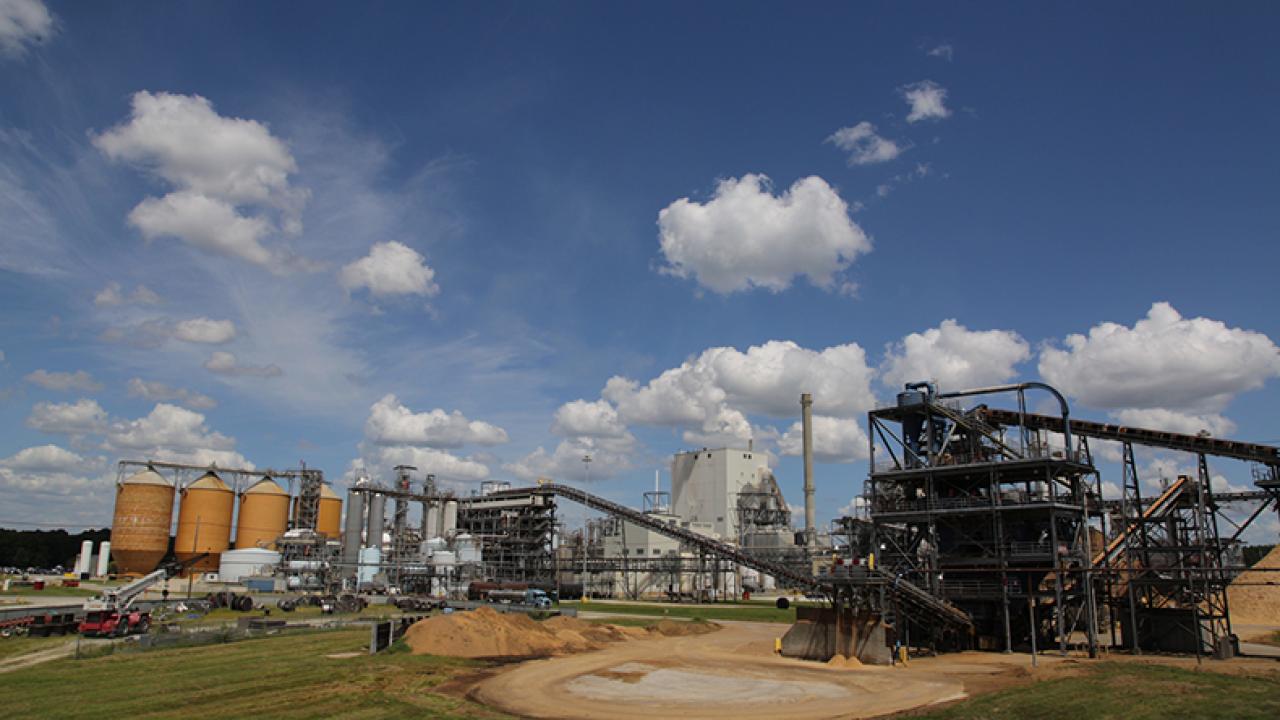
Going Beyond the Mills: Energy-Efficient Infrastructure at Sappi
Our focus on energy and emissions extends beyond our mill gates. Since 2009, Sappi has participated in the US Environmental Protection Agency’s (EPA) SmartWay® Transport Partnership, an innovative collaboration between the EPA and companies that provide freight delivery services. In support of the partnership, we include the SmartWay specifi cation in our carrier bid contracts, and since 2013, approximately 95 percent of our cumulative domestic ton-miles have been shipped by SmartWay carriers.
Bloomberg and CSRHub Webinar – Solving the ESG Data Challenge
With the increased demand for ESG (environment, social, governance) data and conflicting opinions on company performance by different data providers, investors are searching for ways to measure ESG, variance among different ESG ratings and correlations between leading datasets.
Project Gigaton Q&A: The Role of Agriculture in a Company’s Carbon Footprint
Most greenhouse gases from the production of meat, dairy or eggs are emitted before the products leave the farm gate. Emissions are released by beef and dairy cows when they digest feed. Growing feed crops for animals also contributes to the GHG footprint, of which the majority comes from the production and application of fertilizer as well as the plowing of land for crop production. Lastly, manure from these animals releases significant amounts of GHG emissions.