Responsible Production & the Circular Economy

Corporate stories about Responsible Production & the Circular Economy across 3BL's network.

Latest in Responsible Production & the Circular Economy

JUST Egg + Aramark Offer Delicious, Sustainable Breakfast Solution
Innovative food company brings plant-based product to the table

JUST, the innovative San Francisco-based food company with a mission to make the foods we love healthier and more sustainable, has partnered with Aramark to bring JUST Egg, the plant-based, protein-packed product to corporate, healthcare and higher education cafes.
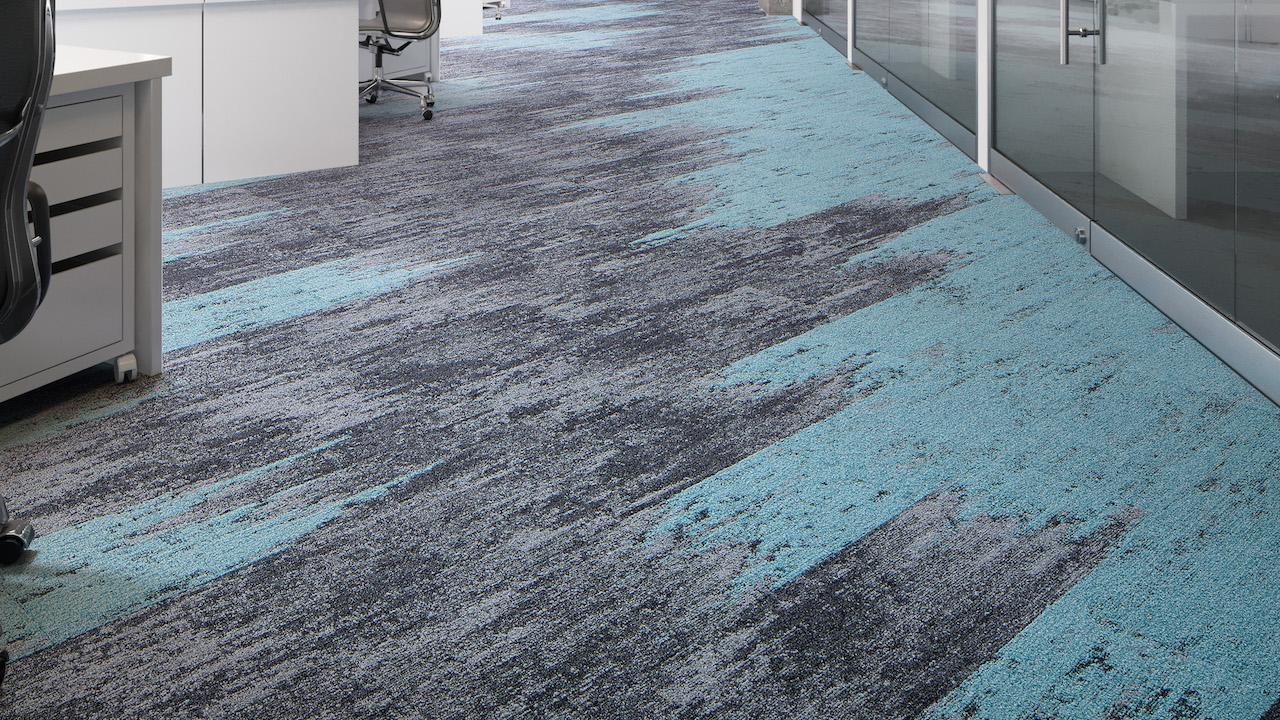
Introducing Nutopia by Mohawk Group: Carpet Plank Inspired by “Urban Fabric”
Nutopia is a new Living Product Challenge Petal certified carpet plank system from Mohawk Group inspired by the idea of “urban fabric,” where humankind coexists with buildings, streets and other infrastructure. The collection’s designers looked at metaphors for how urban design can translate into patterns of balance, acceptance and integration—where the dichotomy of metropolis is coalesced into a mélange of culture and connection. Earlier this summer, Nutopia officially debuted to the commercial architecture and design community at NeoCon’s 50th anniversary exposition along with four other Living Products from Mohawk Group.
Nestlé Steps Up Efforts in Addressing Plastics Waste and Pollution
Nestlé today joined forces with other businesses and governments in signing The New Plastics Economy Global Commitment ('Global Commitment') at the Our Ocean Conference in Bali, Indonesia.

The Global Commitment is an initiative of The Ellen MacArthur Foundation and UN Environment. It aims to rethink the future of plastics by applying the principles of circular economy, in which plastics never become waste. The Global Commitment represents a powerful framework to work collectively on solutions that address the root causes of plastics waste and pollution.
WWF Report Reveals Staggering Extent of Human Impact on Planet
Populations of mammals, birds, fish, reptiles, and amphibians have, on average, declined in size by 60 percent in just over 40 years. The biggest drivers of current biodiversity loss are overexploitation and agriculture, both linked to continually increasing human consumption. Given the interconnectivity between the health of nature, the well-being of people and the future of our planet, World Wildlife Fund (WWF) urges the global community to unite for a global deal for nature and people to reverse the trend of biodiversity loss.
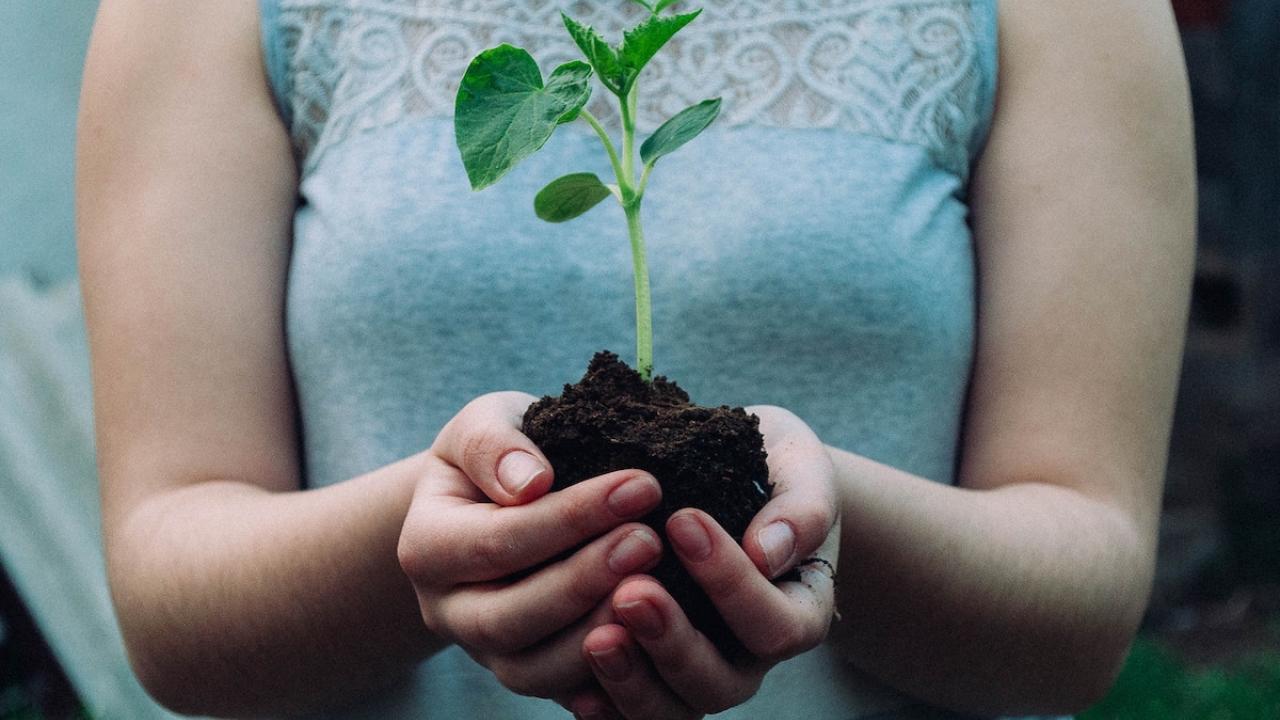
Healthy Soil 101: Why Soil Health Matters and How the Food Sector Can Help
Beyond sustaining plant life—and the rest of the food chain along with it—soil itself is very much alive. One handful of dirt contains up to 50 billion bacteria and hundreds of thousands of individual fungal cells. As these microorganisms move through the soil, they feast on minerals and dead organic matter and leave nutrients behind, allowing plants to grow and ecosystems to thrive.
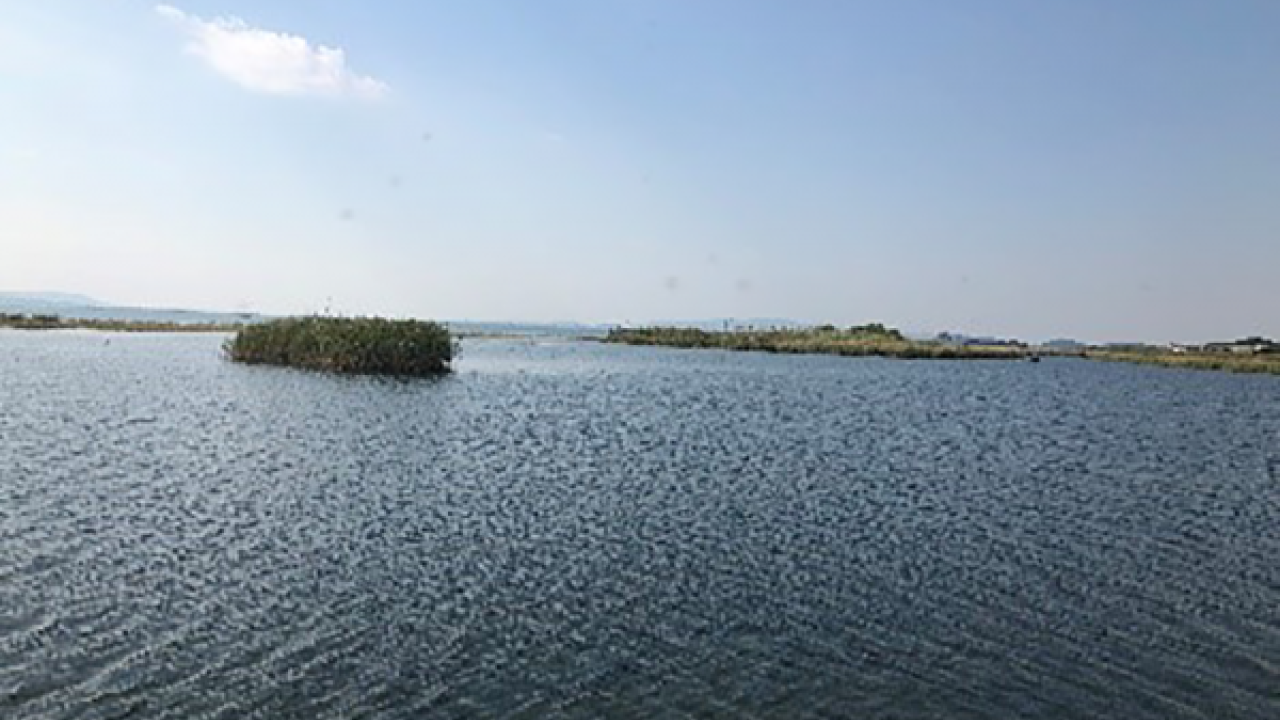
Working Together for Water and a Cleaner Lake Taihu
A 2016 McKinsey study suggested that 90 percent of air, soil, and land impacts associated with consumer goods are supply chain-related. Meanwhile, organizations such as Business for Social Responsibility (BSR) are highlighting dynamics such as the competition among supply chains for limited water supplies, alongside other key sustainability challenges such as climate change and population growth.

We have an opportunity for real impact here, and focus on addressing both our direct water use, as well as driving positive change among our supply base.
An Important Day for the Future of Agriculture
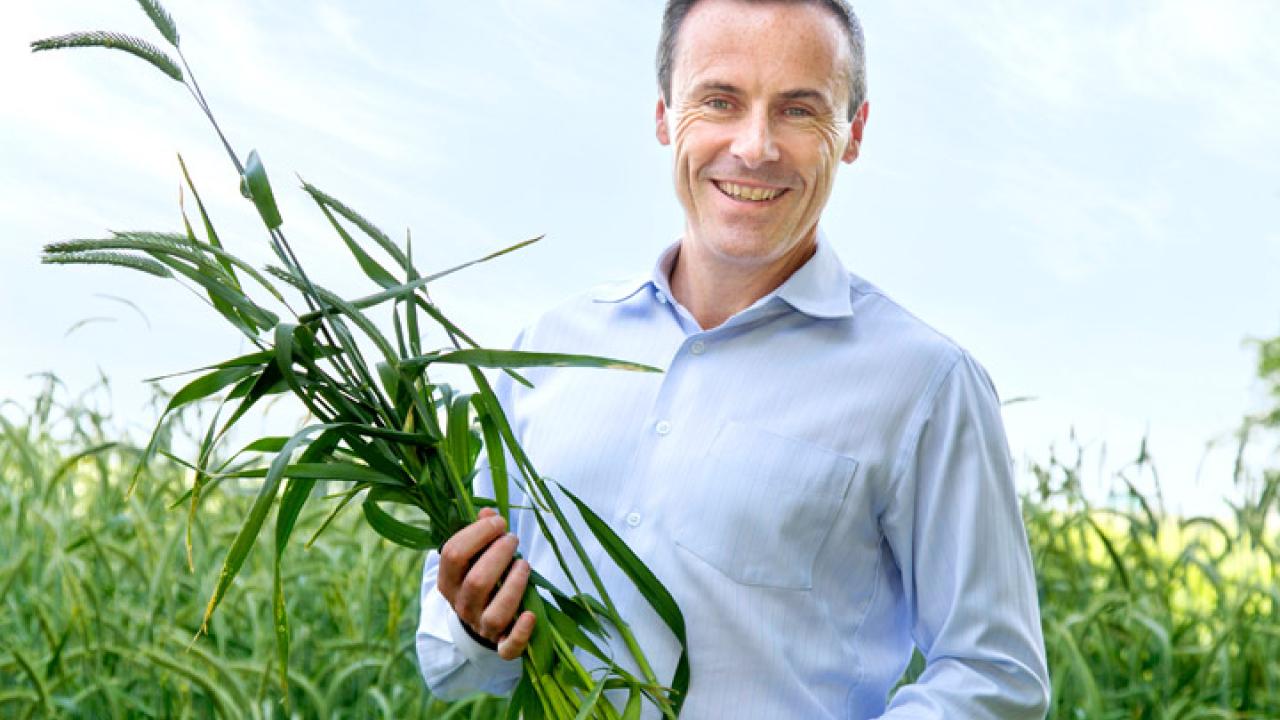
About two years ago, Bayer and Monsanto reached an agreement under which Bayer would acquire Monsanto. In that time, I’ve had the opportunity to meet farmers from around the world, including the United States, Brazil, Kenya, Nigeria, Germany, the Netherlands, China and India to name only a few.
SC Johnson Signs Groundbreaking International Commitment to Tackle the Plastic Pollution Crisis
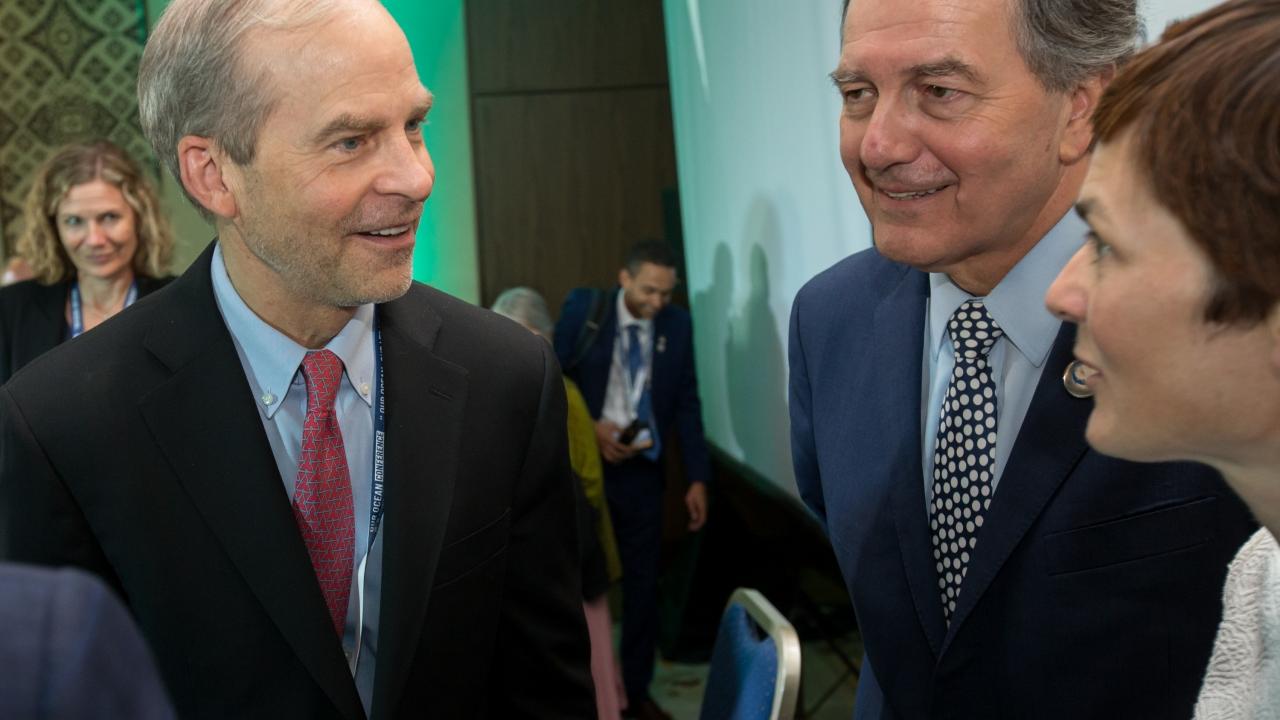
SC Johnson announces today it is joining a worldwide coalition of leading businesses and governments to tackle the growing global crisis of plastic pollution. Together with Dame Ellen MacArthur, Fisk Johnson, Chairman and CEO of SC Johnson, signed the New Plastics Economy Global Commitment at the 2018 Our Ocean Conference in Bali, Indonesia. Continuing SC Johnson’s bold legacy of protecting people and the planet, this commitment, led by the Ellen MacArthur Foundation in collaboration with UN Environment, will address the root causes of plastic pollution and will help keep plastic out of our oceans.
SC Johnson and Plastic Bank Team up to Address the Global Ocean Plastic Crisis
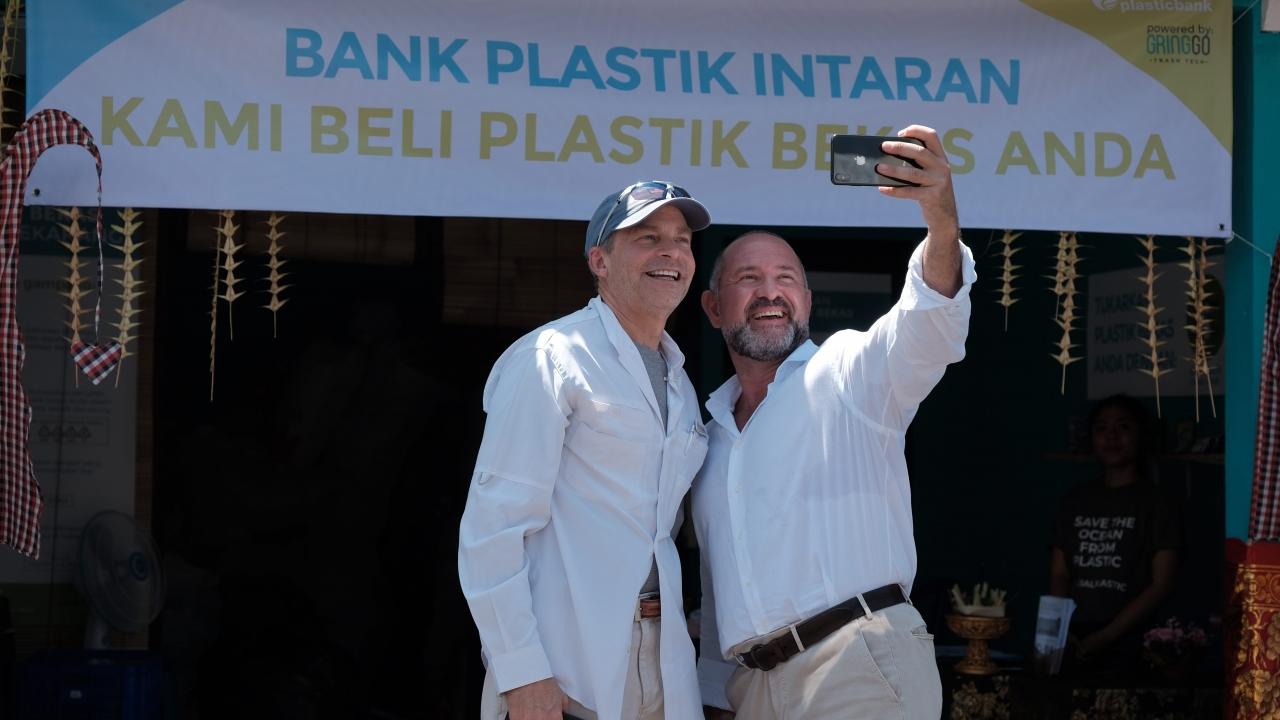
Today, SC Johnson is announcing a new partnership with Plastic Bank, one of the leading organizations working to reduce the global crisis of ocean plastic, to help increase recycling rates in impoverished communities across Indonesia while addressing the challenges of poverty.
SC Johnson Accelerates Progress Boosting Plastic Recycling and Reuse
Today, SC Johnson is announcing a series of commitments to further reduce its own plastic footprint, by boosting recycled plastic content in its packaging, supporting reuse of plastic bottles through concentrated refills, and launching an effort to make Ziploc® bags recyclable at curbside.