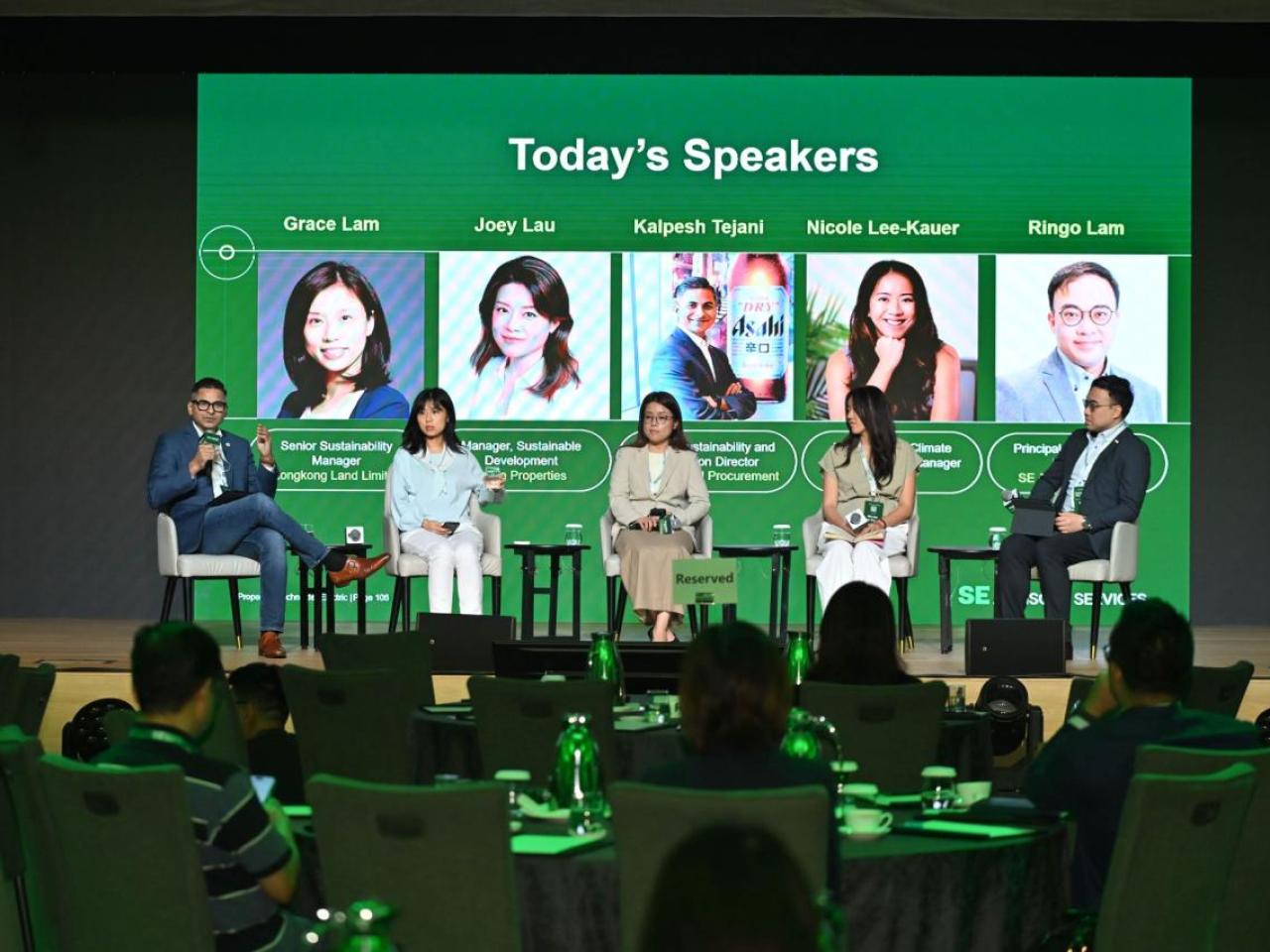
Cascale recently contributed to Schneider Electric Perspectives Day Asia in Hong Kong, convening 150 senior executives from across the consumer goods supply chain to explore practical pathways to net zero.
A SC Johnson anunciou hoje que é a primeira grande empresa de bens de consumo a divulgar globalmente até 0,01% dos ingredientes na fórmula de suas fragrâncias em todo seu portfólio de marcas. Essa ação, que vai além do que é obrigatório, continua a jornada de uma década de trabalho da empresa para a transformação dos esforços do setor quando se trata de transparência de ingredientes.
SC Johnson anunció que es la primera gran compañía de bienes de consumo envasados (Consumer Packaged Goods, CPG) en divulgar a nivel mundial los ingredientes de sus fragancias hasta el 0,01 % de la fórmula de los productos de toda su cartera de marcas. Esta medida, que va mucho más allá de lo exigido, sigue el camino que la empresa adoptó hace una década para transformar los esfuerzos de la industria respecto de la transparencia de los ingredientes.
SC Johnson today announced that it is the first major consumer packaged goods (CPG) company to globally disclose fragrance ingredients down to .01 percent of the product formula across its portfolio of brands. This action, which goes beyond what is required, continues the company’s decade-long journey to transform industry efforts when it comes to ingredient transparency.
At Sappi North America, we are committed to operating our businesses in a sustainable manner. Together with the 2020Vision— Sappi’s global growth strategy—we use our sustainability goals program to set targets, initiate improvement actions and monitor progress.
According to the National Park Service, Americans use 500 million plastic straws every day – this small but plentiful waste adds up and is one of the most common items found on beaches. Now, one beverage icon is joining a handful of brands in the fight against single use straws, with plans to phase out the item from its stores by 2020.
Agriculture has achieved a lot over the past century, but there’s still a long way to go to achieve Sustainable Development Goal 2 and ensure sustainable food production systems, increase the incomes of smallholder farmers and end hunger.
Water is on executives’ minds these days. More and more, business people realize that water scarcity is the new normal, and if they want to put their companies in a position to keep growing, they have to adapt. I can confirm that much after living out of suitcases for most of the month of June and, at conference after conference, meeting numerous business leaders who expressed their sense of urgency about the topic.
This summer, Hotpoint is launching the Fresh Thinking for Forgotten Food campaign alongside Jamie Oliver, encouraging consumers to think differently about their leftovers and reduce their food waste. Hotpoint’s research has revealed that despite being concerned about reducing food waste, every UK household is throwing away £271.44 of edible food every year, with a quarter of Brits admitting they waste food simply because they forget what they have in their fridge.
International NGO Conservation International’s new progress report on Starbuck’s C.A.F.E. Practices program for responsibly sourced coffee provides an in-depth look at the positive impact one company is having on land conservation and human dignity.
Entergy’s 2025 performance report, “Energy for a better future” presents an overview of our company’s 2025 achievements, future plans and strategies...
AEG embraces its responsibility to enrich the lives of people in the communities around the world where we do business, and to use business to create...