Agriculture

Corporate stories about Agriculture across 3BL's network.

Latest in Agriculture

Announcing the 2019 Cisco Global Problem Solver Challenge Winners
Today, in our third year of the Cisco Global Problem Solver Challenge, we are proud to be recognizing a new group of young entrepreneurs who are creating cutting-edge, technology-based solutions capable of solving some of the world’s toughest challenges. With each year, I’m continually impressed by the ideas and solutions developed by these young entrepreneurs and inspired by their drive to make a difference. It’s with much excitement that I introduce you to the winners of this year’s competition.
VIDEO - Behind the Mark: Certified Sustainably Grown Living Herbs
Certified Sustainably Grown agricultural products like North Shore Living herbs and greens are leading the agricultural industry toward greater social and environmental responsibility. Learn how in our new video.
Vote Now for the Young Entrepreneurs Competing in Cisco's Global Problem Solver Challenge
Voting closes 5pm PST on May 17th! The Cisco Global Problem Solver Challenge aims to recognize new business ideas that leverage technology for social impact from student entrepreneurs around the world. Winners will be announced on May 20, 2019.

Cast Your Vote for the 2019 Cisco Global Problem Solver Challenge Finalists
The third annual Cisco Global Problem Solver Challenge aims to recognize new business ideas that leverage technology for social impact from student entrepreneurs around the world. Check out the finalists for the 2019 GPS Challenge to cast your vote. You may vote for as many entries as you like, but you can only vote once per entry. Winners will be announced on May 20, 2019.
By Any Measure: How Small Improvements Lead to Big Gains in Efficiency
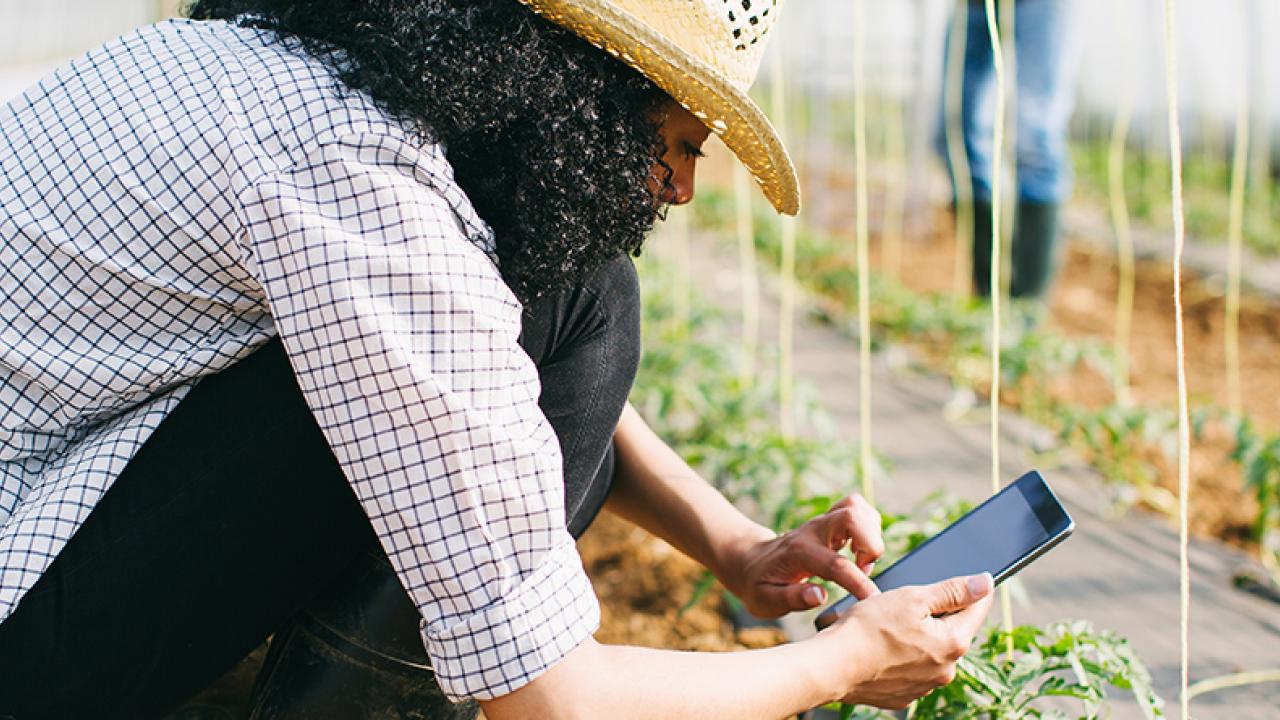
As agriculture has become more digital, what used to be measured in acres, bushels, gallons, and tons is now quantified on a considerably smaller scale—even down to individual raindrops. As a result, the conclusions we can draw from those detailed measurements have become more accurate and useful, helping farmers save money and reduce their environmental impact. Farmers have always accumulated knowledge by interacting with their fields, but today they are using data to deepen that understanding.
Nestlé Verifies Three-Quarters of Its Supply Chain as Deforestation-Free
Nestlé today announced that 77% of its agricultural commodities are verified as deforestation-free. This is a key milestone in the company’s efforts to achieve its zero-deforestation commitment.
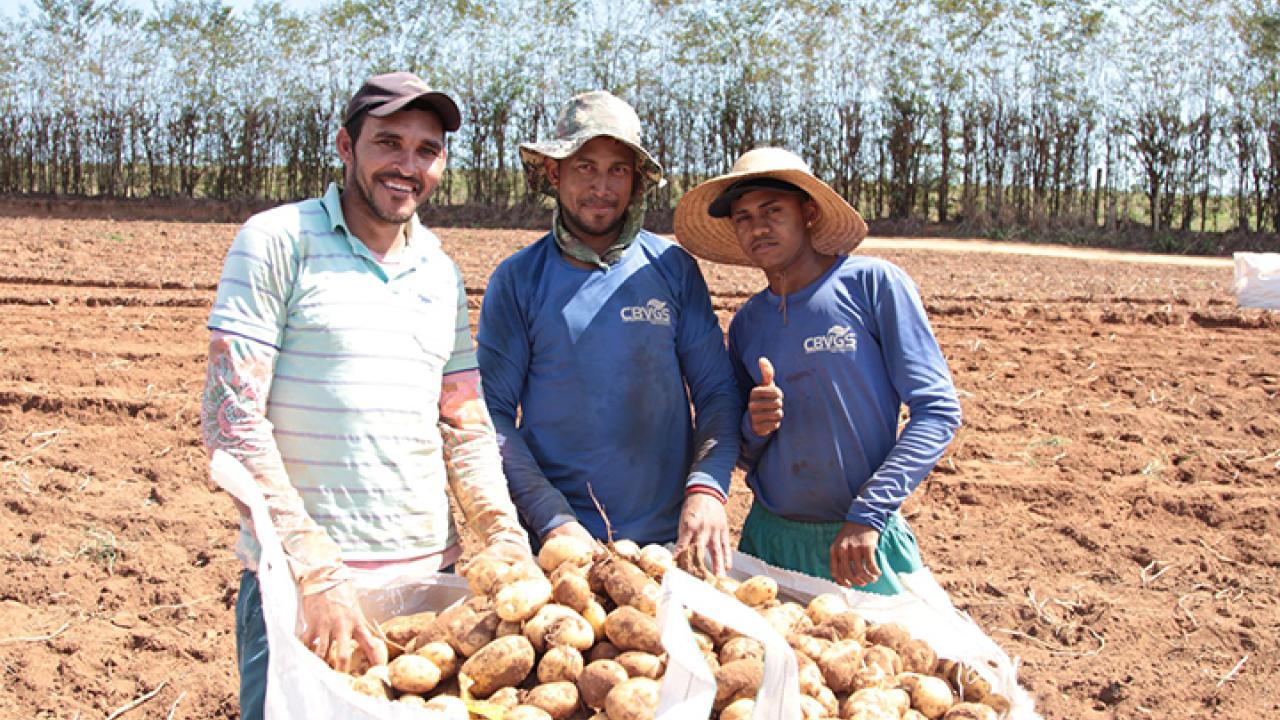
Bayer & PepsiCo | The Best Snack Starts in the Field
There is not a more South American tuber than potato. This ingredient also inspires delicious product lines from PepsiCo, one of the leading global food and beverage companies. The Company knows that success highly depends on what comes from the field, so it is there that we turn our eyes to secure the best raw material for our snacks. Due to the high demand of potatoes for industrial use in Brazil, PepsiCo has been developing since 2009 the Agro Batata program, in partnership with Bayer.
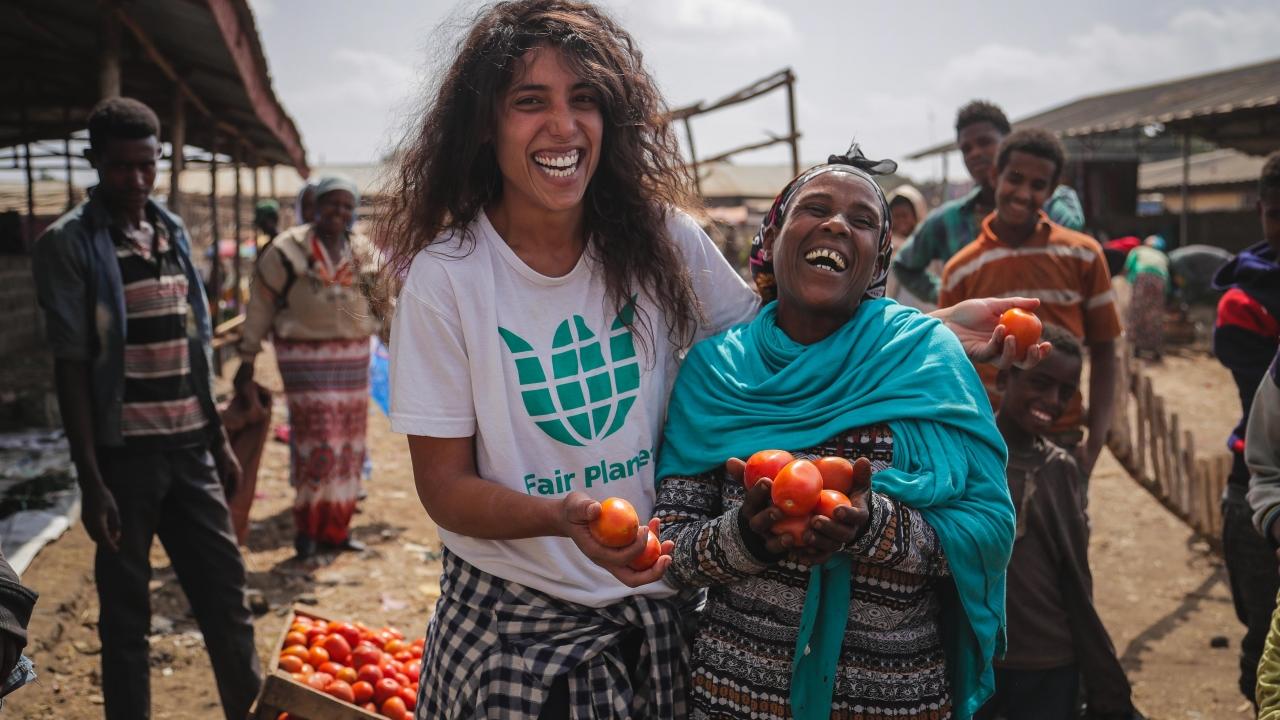
Bayer and Fair Planet Renew Commitment to Improve Access to Seeds in Ethiopia
Bayer has renewed its commitment to the “Bridging the Seed Gap” project for five years. The project, developed by the non-profit organization Fair Planet, facilitates smallholder farmers’ access to seeds of high-quality vegetable varieties suited to local growing conditions.
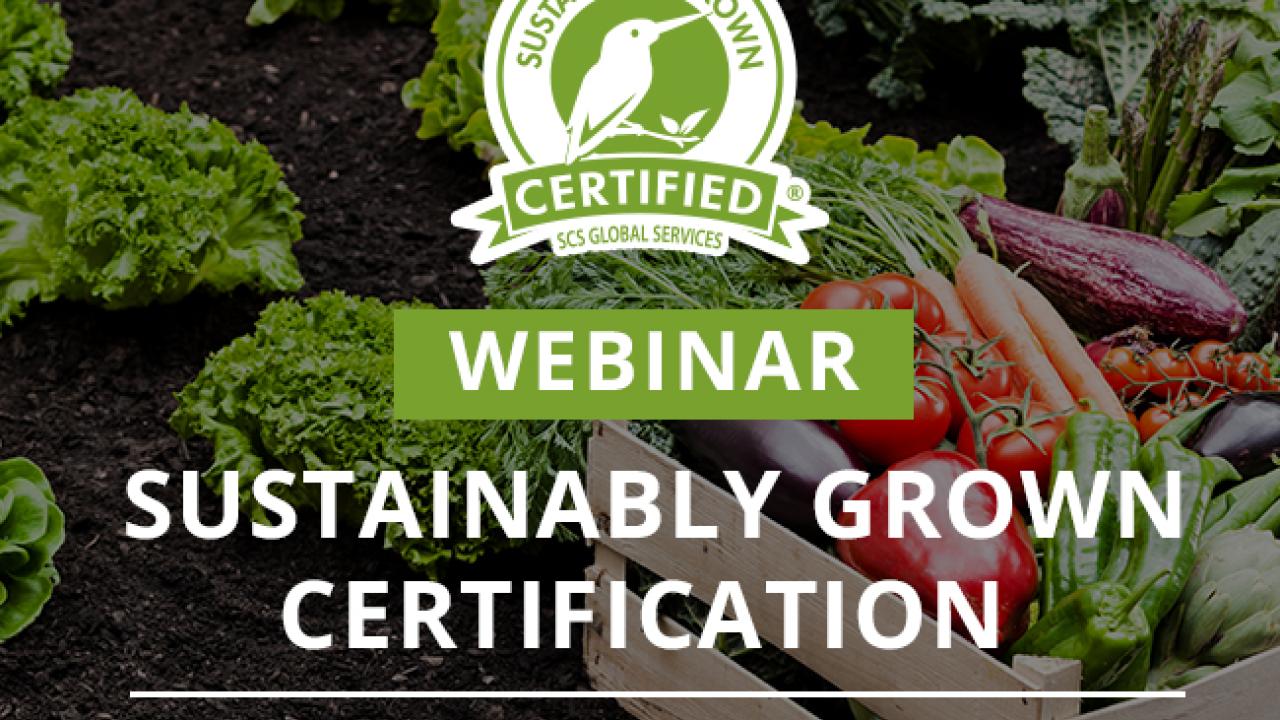
WEBINAR – Introduction to SCS’ Sustainably Grown Certification
Sustainably Grown recognizes agricultural products that meet rigorous standards for environmental protection, ethical production, social compliance, product quality and food safety. Mission-driven companies are using the ecolabel to differentiate their products, facilitate market access, and appeal to consumers. Join our free webinar to learn more.
Drip By Drip: How We Solve the Global Water Scarcity Crisis
As the global population continues to rapidly grow, the demand for fresh water is growing with it. Even without accounting for shifting weather patterns driving regional droughts like those seen recently in California and the Horn of Africa, demand for fresh water for agricultural, industrial and municipal use is predicted to increase by 50% globally between 2000 and 2030.

However, the supply of water is not keeping pace with demand. By 2030, scientists project there will be a 40% gap between the expected need for and availability of water.

This situation is unsustainable. If we are to support a growing, increasingly demanding world, we must tackle the water scarcity crisis –so where can we find the water we need?