



Circular Economy: Good for the Planet, Good for Power Distribution
The world is running out of critical resources. By 2050, demand for important resources like biomass and fossil energy is expected to surpass production by 40 billion tons, leaving companies and consumers at risk from the shortfall. Shifting from the traditional “take, make, consume, and throw away” economic model to a zero-waste, circular economy that focuses on making smarter decisions about resource use, using them to their maximum capacity, and reducing waste combats this global crisis.
Giving Small Businesses the World--While Keeping Jobs Close to Home
Through Retail Revival, we are working with the city of Akron and other partners to identify promising local retail businesses and onboard them to eBay, providing store set-up support and ongoing training. The Akron pilot is our first in the U.S., but it builds on similar–and highly successful–programs we’ve executed in communities in Europe.
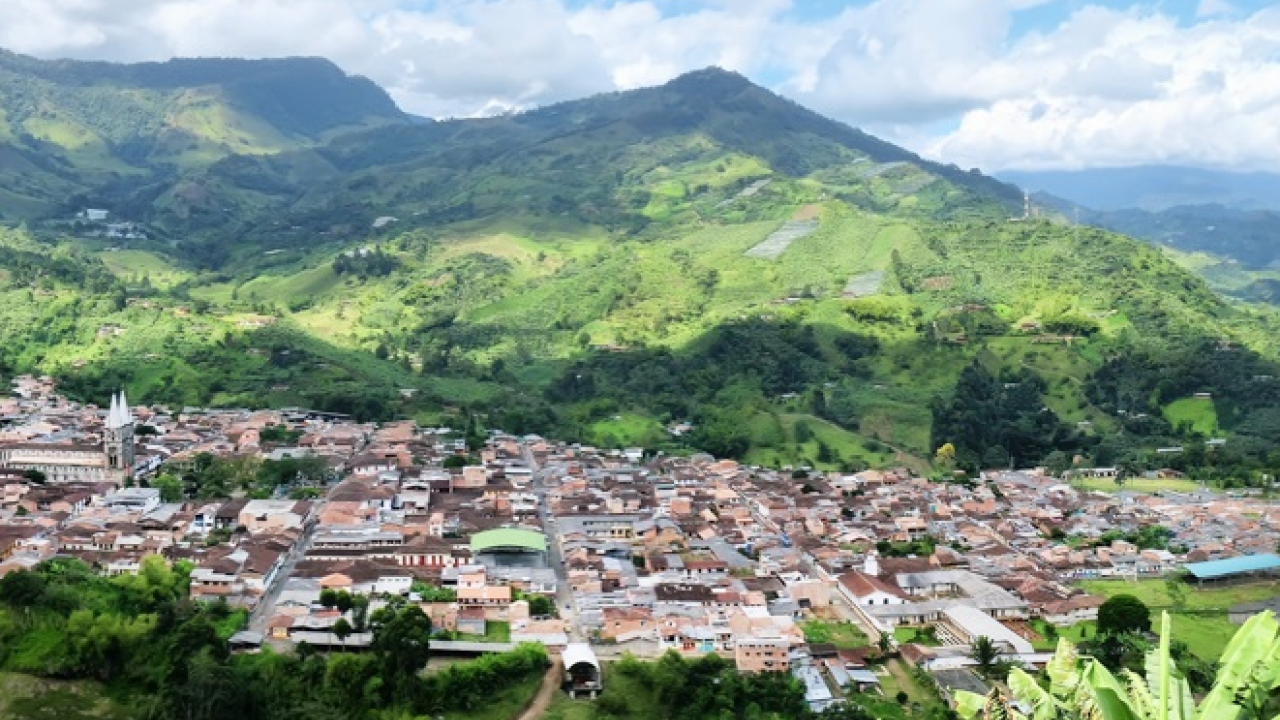
A Colombian Renaissance
Contemplate, for a moment, some of the most destructive challenges facing development today: the increasing prevalence of natural disasters; the underfunding of development goals; the violations of the freedoms of association, expression, and peaceful assembly; the maddening persistence of poverty; and above all, the accelerating effects of global climate change.
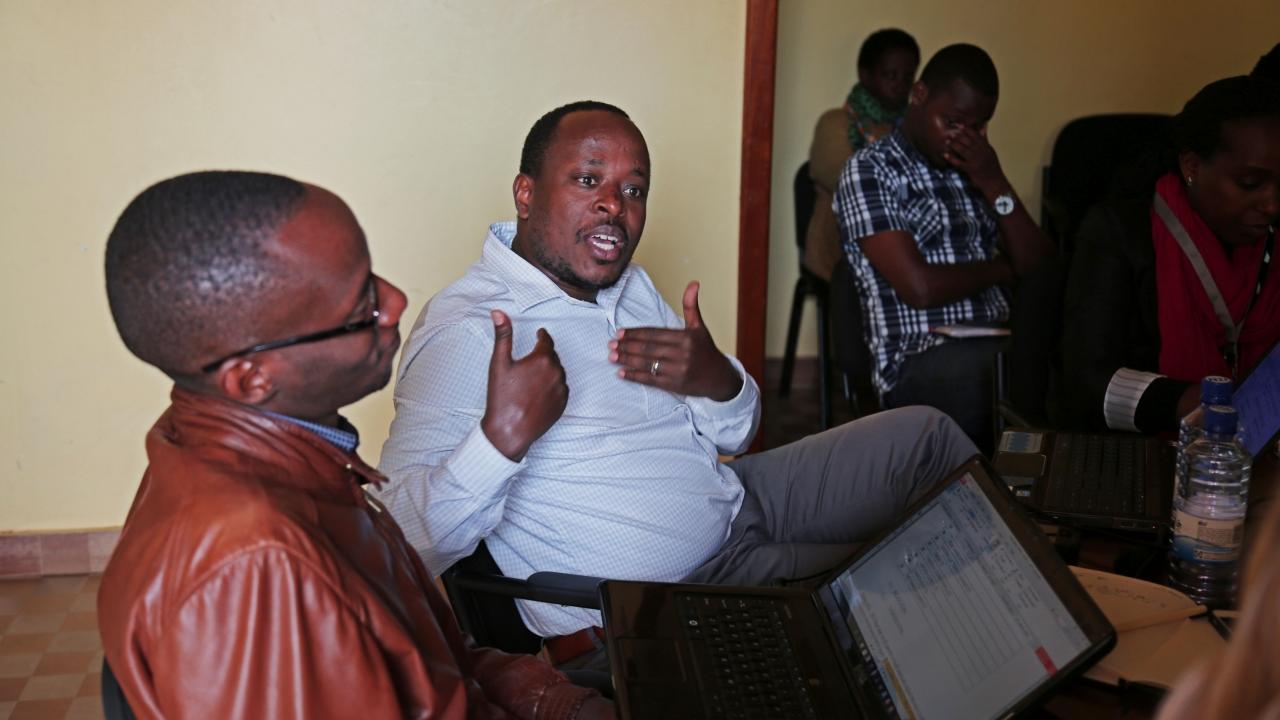
Finding a Voice for Rwandan Healthcare
For more than a decade, Health Development Initiative (HDI), a local health organization located on the outskirts of Kigali, has attended to the critical and often taboo health needs of underrepresented Rwandans including the poor and LGBTQ communities. In Rwanda, participating in sexual activity as a youth, a sex worker, or a homosexual – HDI’s target healthcare recipients – is either illegal or so heavily stigmatized that it can destroy lives and fracture communities. Therefore, seeking – and providing – care for these individuals can be a risky endeavor.
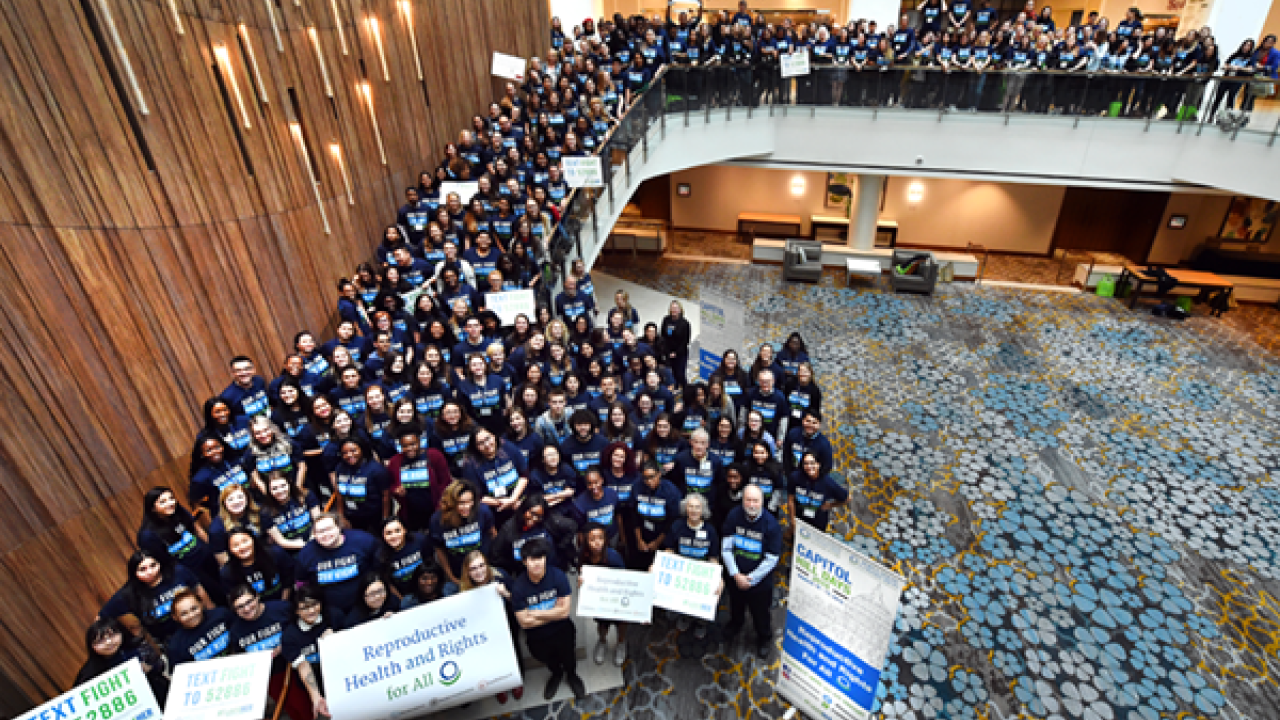
350 Advocates From Across the Country Storm D.C. for Population Connection’s Capitol Hill Days 2018
This past weekend, 350 activists stormed D.C. for the weekend to speak out against Trump’s Global Gag Rule, and to urge their elected officials to support the Global HER Act, and a robust $1.2 billion U.S. investment for international family planning, including $70 million for UNFPA.
Habitat Volunteer Builds Home, Finds Unexpected Friendship
If it wasn’t for Paul Manyok and his family, Sammie Griffin might not be as heavily involved with Habitat for Humanity as she is today. But, like many of Wells Fargo’s volunteer team members, she found there are certain families whose stories have stayed with her and who inspire her to continue helping others.
School Is Expensive, We Can Help
Whether starting university or college for the first time, or returning to school to learn a new trade, paying for education can be challenging, especially when costs can vary from $5,000 to $50,000 per year. That’s one of the reasons why we launched the TransCanada Community Scholarships Program last year — to help students from the communities where we live, work and operate across North America reach their academic goals.
NeighborWorks America — Advancing Opportunity for All
Since 1978, NeighborWorks® America has focused on creating opportunities for people to live in affordable homes, improve their lives, and strengthen their communities. With a network of more than 245 of the nation’s best community development organizations, we tackle some of the nation’s biggest housing and community development challenges in low- and moderate-income communities.
General Motors Highlights Water Management and Reuse Efforts in Mexico
As a company committed to reducing water intensity across its global operations by 15 percent by 2020, General Motors is constantly looking for innovative ways to conserve water and increase efficiencies. This mindset has led the automaker to adopt a circular economy approach to maximizing water reuse in water-stressed regions, such as Mexico.
The Future of Fashion: Are We Missing the Mark?
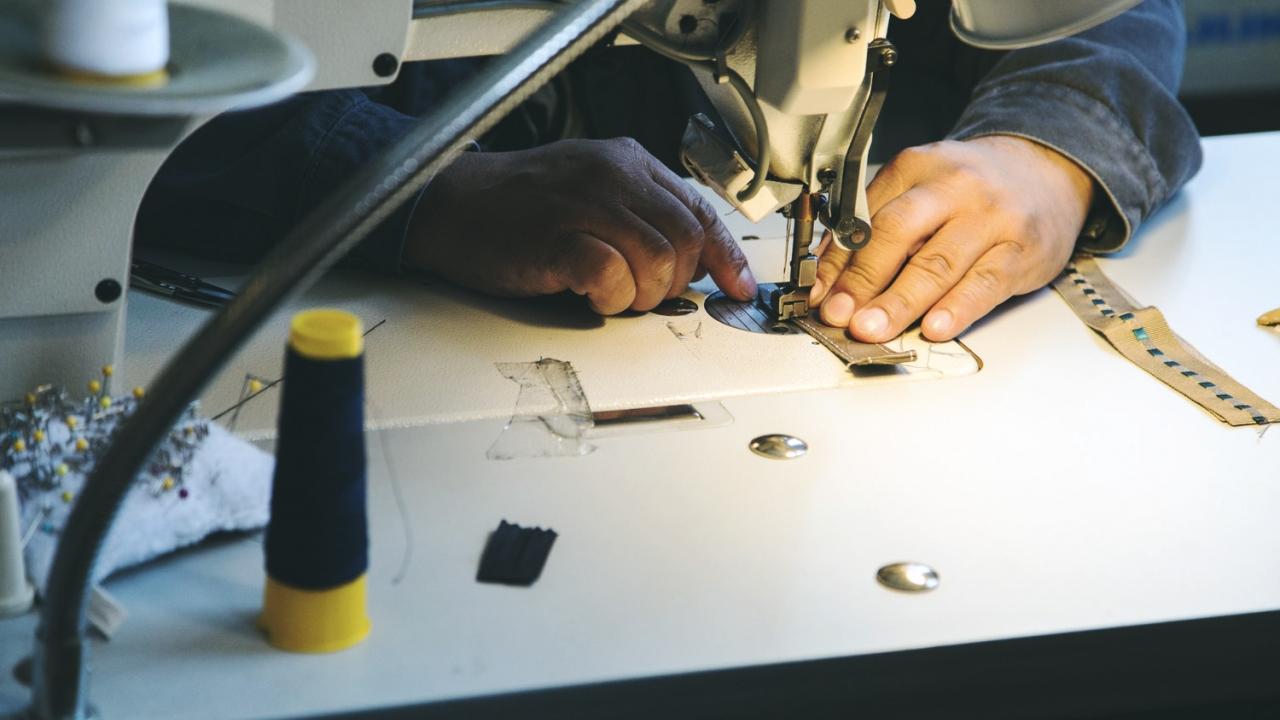
Little has changed since the 1940s in the way we make our clothes. We still heavily rely on people to power sewing machines, large swaths of agricultural land to grow cotton, and millions of gallons of petroleum to produce synthetic fabrics. Historically, the fashion industry has not leaned on research and development to stay competitive, instead figuring out ways to reduce production costs and get new products to consumers as quickly as possible.

Latest Campaigns

TCS

ABOUT TATA CONSULTANCY SERVICES (TCS) Tata Consultancy Services (BSE: 532540, NSE: TCS) is the technology partner of choice for industry-leading...
Employee and Community Engagement

At MilliporeSigma, we look for opportunities to use employee and community engagement to spark scientific curiosity and breakthroughs. We know that...
Healthy Spaces Podcast: Season 6

Healthy Spaces, a podcast by Trane Technologies, brings together engineers, innovators and industry leaders for bold conversations at the frontier of...
Collaboration and Partnership

Cascale shares updates on its strategic partnerships with industry stakeholders geared toward shifting the industry into one that gives back more than...

Truist Teammates Giving Back

At Truist, we provide paid time off and corporate support to teammates volunteering in ways that express their passions and deliver social good. Our...