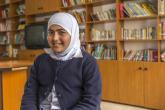
Every day begins the same for Marah, a 12-year-old girl living in Beirut. “At 8 o'clock, I have my breakfast. I spend some time with my family, while they are having their coffee. Then I prepare myself for school and I prepare my bag,” she says.
It’s a daily schedule typical by school children the world over, and yet to Marah it feels more like a privilege.
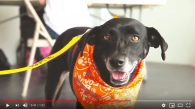
As part of our Subaru Loves Pets initiative, this October, Subaru and our retailers are partnering with local animal organizations to help our furry friends and improve their chances at finding a safe and loving home.
Global food company General Mills cut greenhouse gas emissions by 11 percent across its entire value chain from 2010 to 2017 while net sales rose 6 percent.
Establishing an accurate baseline and quantifying scope 3 emissions is a critical step in meeting both supply chain energy reduction goals and partner goals. But it can be challenging to translate that internal goal into supplier action.
Theresa Eberhardt of EDF+Business will discuss how to transition from the goal-setting phase to the implementation phase, guiding you through various tools and resources available. An EDF Climate Corps host will also be on hand to talk about their recent project this past summer on how they've approached quantifying their scope 3 emissions and where they are now.
Attend this webinar if you’re interested in: scope 3 emissions, engaging suppliers, energy reduction strategies
With the donation of one hectare of communal land by the community, Goldcorp’s Peñasquito mine recently constructed and opened the Rural Medical Centre, which will benefit more than 2,300 members of the community of Cedros and Mazapil, in the state of Zacatecas, one of the largest municipalities in Mexico.
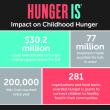
Albertsons Companies and Albertsons Companies Foundation announced today that, through the generous donations of customers, the Hunger Is fundraiser to fight childhood hunger in America raised a record $7.2 million in just 30 days.
As the water pollution-climate change connections accelerate, some in the investment community have begun asking “Big Meat” to identify how these impacts translate into bottom line regulatory, reputational and market risks.
Twenty years ago, Fair Trade USA’s Founder and CEO Paul Rice brought an idea from his field work in Nicaragua to a one-room office in Oakland, California. What started with coffee and conviction – and not much else – is now the leading market-based model of sustainable production, trade and consumption.