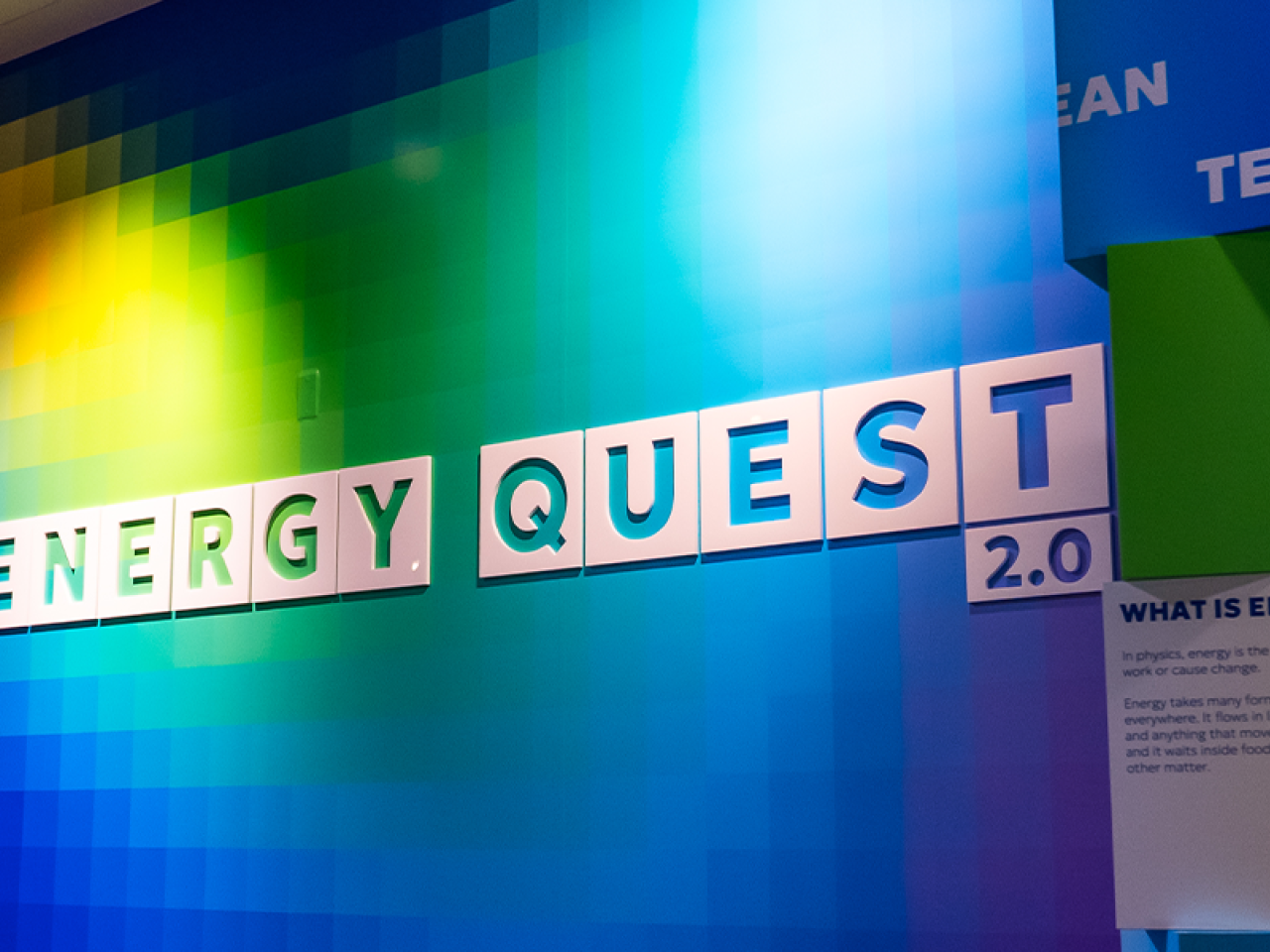
Liberty Science Center’s Energy Quest 2.0 exhibit welcomes exciting new experiences on renewable energy sources, including geothermal, wind, hydro, and solar energy.
Set out in the UK Energy Act 2013, the Capacity Market (CM) is one of the UK government initatives for ensuring security of electrical energy supply for homes, businesses and industry. The CM not only secures additional electricity supply for use during grid stress events – which is increasingly important as energy demand increases, and the UK moves to more intermittent, less flexible renewable generation – but also creates an opportunity for those with generation capacity to earn additional income.
Ingersoll Rand has been named to the 2016 Dow Jones Sustainability World and North America Indices for a sixth consecutive year. Continued placement on this index series showcases the company’s position as an economic, environmental and social leader among peer companies.
SustainRWorld Day, which launches September 8th at the United Nations, is an initiative intended to rally the private sector to help achieve the Sustainable Development Goals by inspiring a movement to make every day SustainRWorld Day and celebrate our measurable progress each year.
Last month, Democratic Republic of Congo (DRC) Mines Minister Martin Kabwelulu issued a formal statement recognizing adverse issues influencing the fraud and smuggling of conflict minerals in South Kivu. Minister Kabwelulu called for a thorough clean-up of the area’s mining sector.
Methane can cause smog, global warming and health problems. But there’s a silver lining: generating energy from the greenhouse gas improves air quality and reduces expenses and waste.
Our reduced-rate hotel block is filling up fast, which means there could only be days (or hours!) to save nearly 40% off the current published rate—so act fast to lock in savings. Don't miss this final opportunity to save on the most engaging, informative, and interactive clean energy conference of the year—the hotel block deadline is September 24th.
After achieving significant reductions in greenhouse gas emissions by 2013, we shifted the focus of our improvement work to energy intensity, or the total energy consumed to create a set unit of product.
Cascale organizes and participates in a series of events, leveraging its position as a global convener of close to half the sector to bring together...
Cascale shares updates on its strategic partnerships with industry stakeholders geared toward shifting the industry into one that gives back more than...
Advanced security, fraud, and data protection, Keeping your accounts and information secure is a priority for us, and we know it’s a priority for you...
Diverse teams build better products — period. At GoDaddy, we make apps and services that our worldwide community of entrepreneurs can relate to. Our...
Our Prescription for a Better World framework is organized around three key pillars: building healthy communities (Health in Action), protecting the...