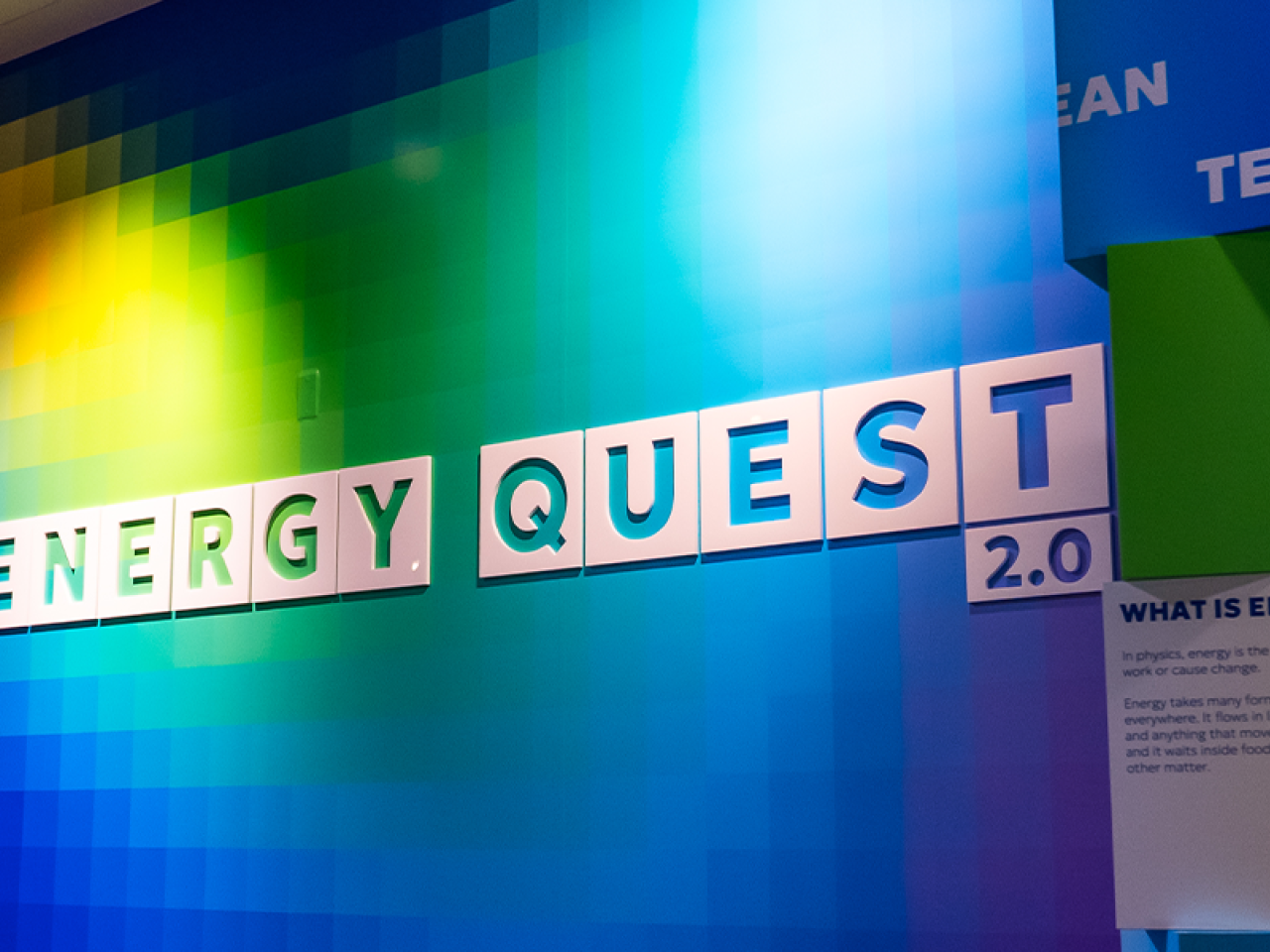
Liberty Science Center’s Energy Quest 2.0 exhibit welcomes exciting new experiences on renewable energy sources, including geothermal, wind, hydro, and solar energy.
Join General Motors (GM)’s Director of Sustainability, David Tulauskas, GM’s Manager of Renewable Energy, Rob Threlkeld, WWF’s Director of U.S. Climate and Renewable Energy Policy, Marty Spitzer, and The Climate Group and TriplePundit on Wednesday, September 21st at 9am PT / Noon ET, to discuss GM’s recently released renewable energy goals amidst the backdrop of Climate Week NYC!
Suppliers engaged in government contracts or seeking to be a vendor of choice for a company seeking government contracts know the value of being certified under the complex procurement regulations issued by the U.S. government.
Further advancing its commitment to corporate social responsibility, MGM Resorts International (NYSE:MGM) announced the appointments of two proven leaders in the field of environmental sustainability.
The Chevrolet Bolt EV just received an EPA-estimated range rating of 238 miles per charge. And GM just committed to meet its entire electricity needs at all of its global operations using renewable energy by 2050.
KFC Australia has adopted a forward-thinking and progressive approach to rolling out its sustainable building program across their company-owned and franchise development network. Their ambition is to design and build all new, company owned, restaurants to be Leadership in Energy and Environmental Design (LEED) certifiable, and to reduce energy consumption by 15%. LEED is a voluntary, consensus-based, market-driven program that provides global third-party verification of green buildings.
The Thornton Composite Reservoir, part of a massive Chicago-area combined sewer tunnel collection system that helps protect against flooding and pollution resulting from storm-related sewer overflows, has been named an American Public Works Association (APWA) Public Works Project of the Year. Thornton’s reservoir capacity is up to 7.9 billion gallons of water, making it the largest combined sewer reservoir in the world.
Sodexo, world leader in Quality of Life Services, is once again the top-rated company in its sector on the Dow Jones Sustainability Index (DJSI), giving the group 12 consecutive years of recognition in Corporate Responsibility. Sodexo was also ranked the number one consumer services companies for the third year in a row, reinforcing the success of Sodexo’s global commitments to sustainability.
Cascale organizes and participates in a series of events, leveraging its position as a global convener of close to half the sector to bring together...
Cascale shares updates on its strategic partnerships with industry stakeholders geared toward shifting the industry into one that gives back more than...
Advanced security, fraud, and data protection, Keeping your accounts and information secure is a priority for us, and we know it’s a priority for you...
Diverse teams build better products — period. At GoDaddy, we make apps and services that our worldwide community of entrepreneurs can relate to. Our...
Our Prescription for a Better World framework is organized around three key pillars: building healthy communities (Health in Action), protecting the...