Energy Efficiency

Corporate stories about Energy Efficiency across 3BL's network.

Latest in Energy Efficiency
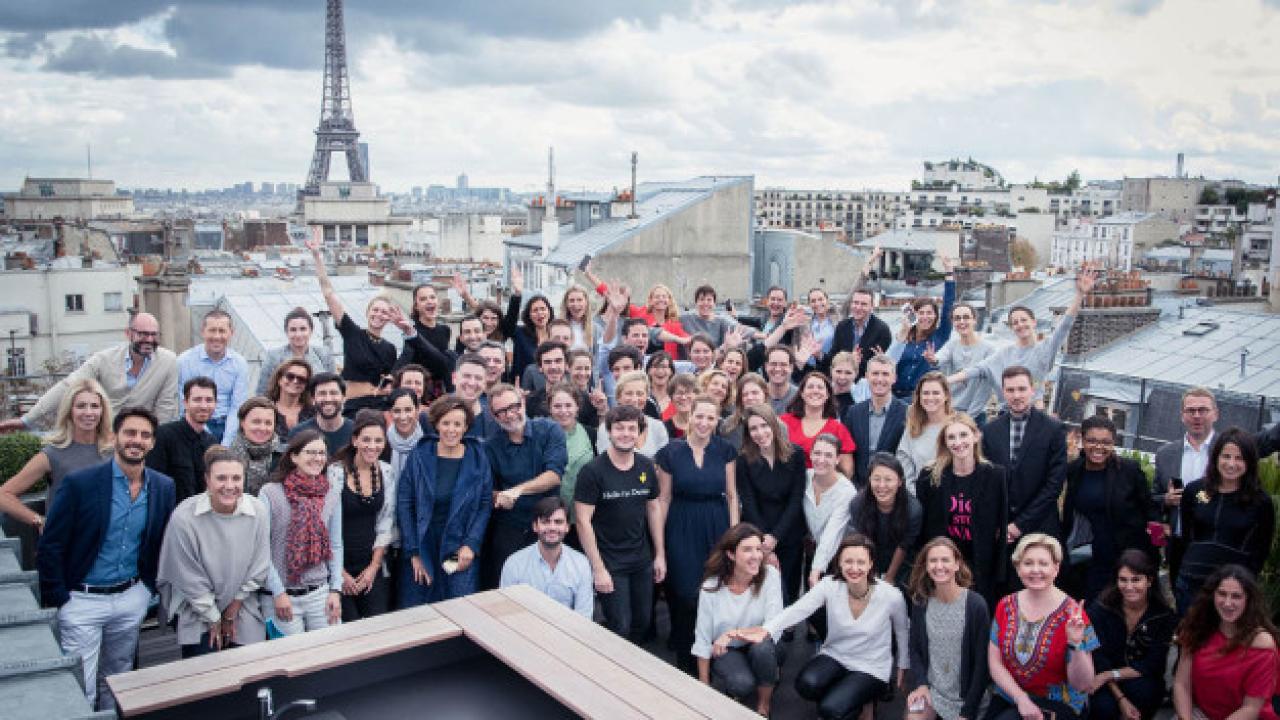
Making the Luxury Experience Sustainable
The issues of urban access, congestion and pollution affect us all – even retail luxury brands. Moët Hennessy Louis Vuitton (LVMH), for example, is changing its business model to meet two of the 21st century’s greatest challenges: e-commerce and urbanization.
UPS
Sustainability and Industry Are No Longer Mutually Exclusive – Part 1
World energy use has increased by 50% over the last 25 years, and yet two million people on our planet still lack access to reliable electricity. Add to that the forecast that energy demand will increase by almost another 50% by 2050. In addition, we know that 85% of CO2 emissions are linked to energy use and that industries use one third of worldwide energy. And we know that there will be a gap of 40% between the supply of, and the demand for, clean water by 2030.

The result is that we must cut emissions in half to avoid significant and irreversible damage to our planet.

There is no doubt that the easiest, cheapest, fastest, and most profitable way to embrace green energy is to save energy and to consume it smarter.
The Future of Energy
The concept of “new energy” has ushered in a global movement dedicated to cost-effective sustainability, clean energy technology and grid innovation. Today more than ever, we’re seeing stakeholders and industry giants from all sectors — finance, manufacturing, retail, utilities, technology, even academia — come together in combined efforts.
Verdani Partners Becomes a Fitwel Champion, Pursues Groundbreaking Fitwel Certifications in Collaboration With Clarion Partners, LLC for Largest Impact From One Company
Six Properties in New York Metro Area, Managed by Clarion Partners and Submitted by Verdani Partners, To Be Recognized by Fitwel as the Largest-Scale Contribution By One Company to Resident Health and Well-being to Date. Verdani Partners is a third-party consultancy wholly owned by Clarion Partners, LLC, a Legg Mason company.
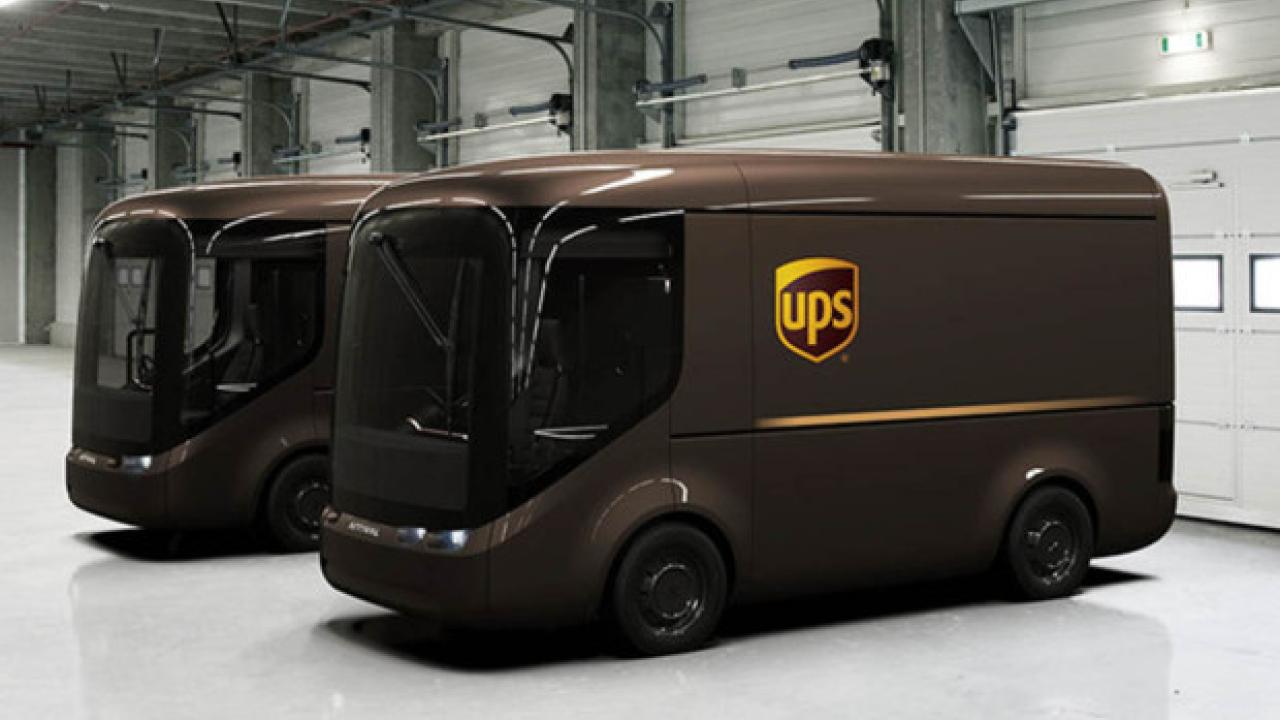
The Next-Generation Logistics Network
Innovation and sustainability are part of UPS's DNA - see how they merge in this Q&A with CIO Juan Perez.
UPS
WELL Tip: Pursuing WELL for Existing Spaces
WELL Certification is for all types of projects - from commercial offices to warehouses to apartment buildings. And just as WELL offers flexibility when it comes to project types, it also offers flexibility with regard to project stage. Whether newly constructed, undergoing renovation or existing, your project can achieve WELL Certification.
Electrification Project by Duke Energy and Golden State Foods to Save Fuel and Lower Emissions
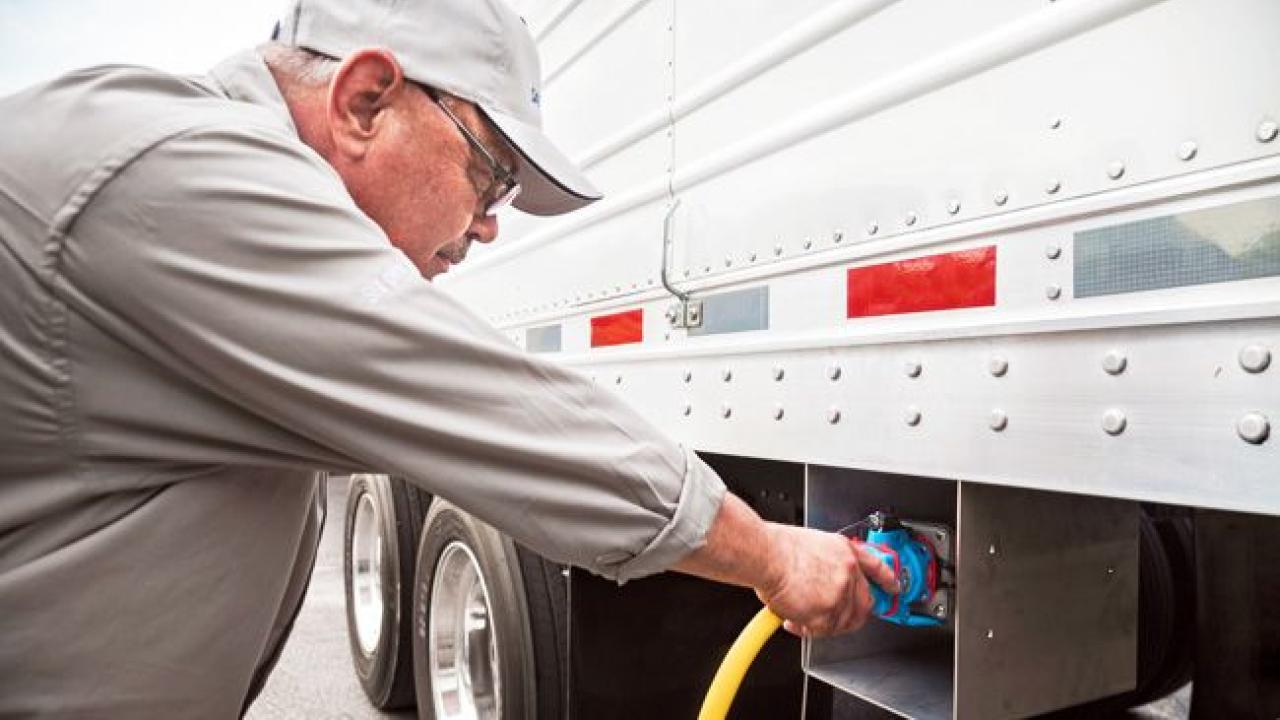
A total of 32 electric power outlets will help trucks at the Golden State Foods (GSF) distribution center cut costs and lower air emissions as part of a Duke Energy electrification project.
Michigan Utilities Look to Lower Rates Through EV Time of Use Charging
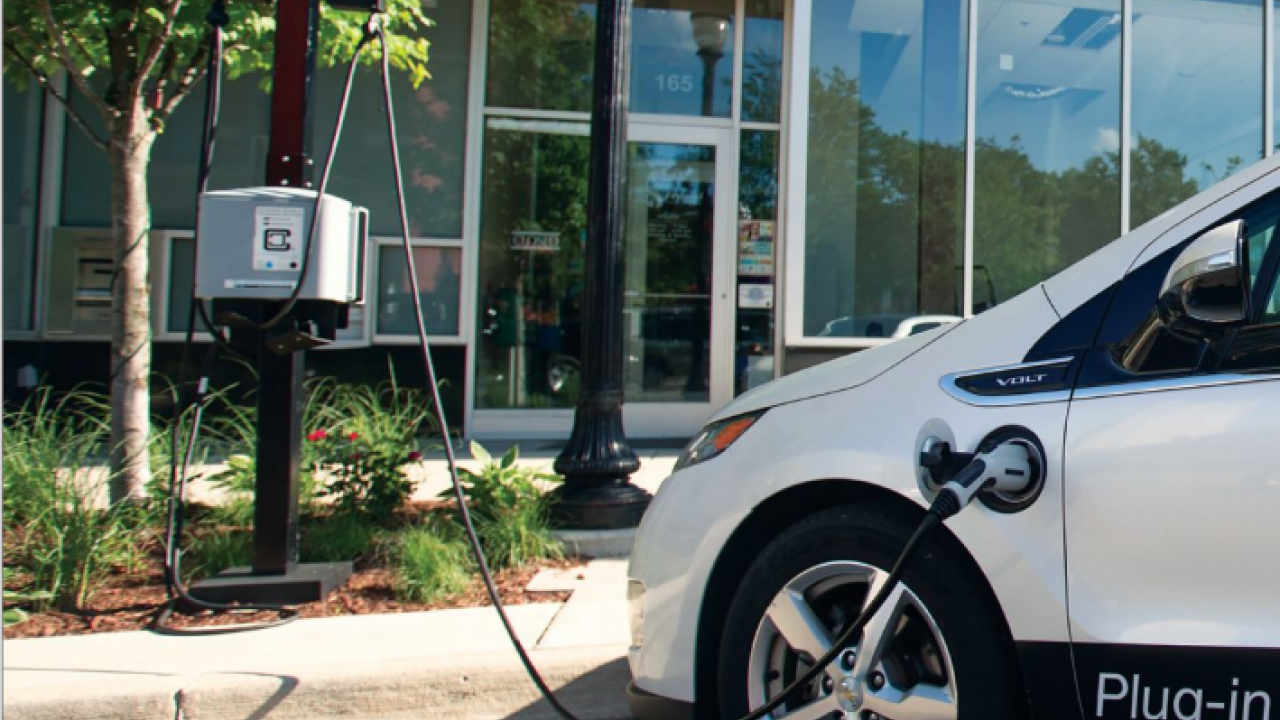
Michigan is moving ahead of other Midwest states as its two largest utilities propose a combined $20.5 million investment in electric vehicle infrastructure.
Electric Perspectives: Transportation Electrification
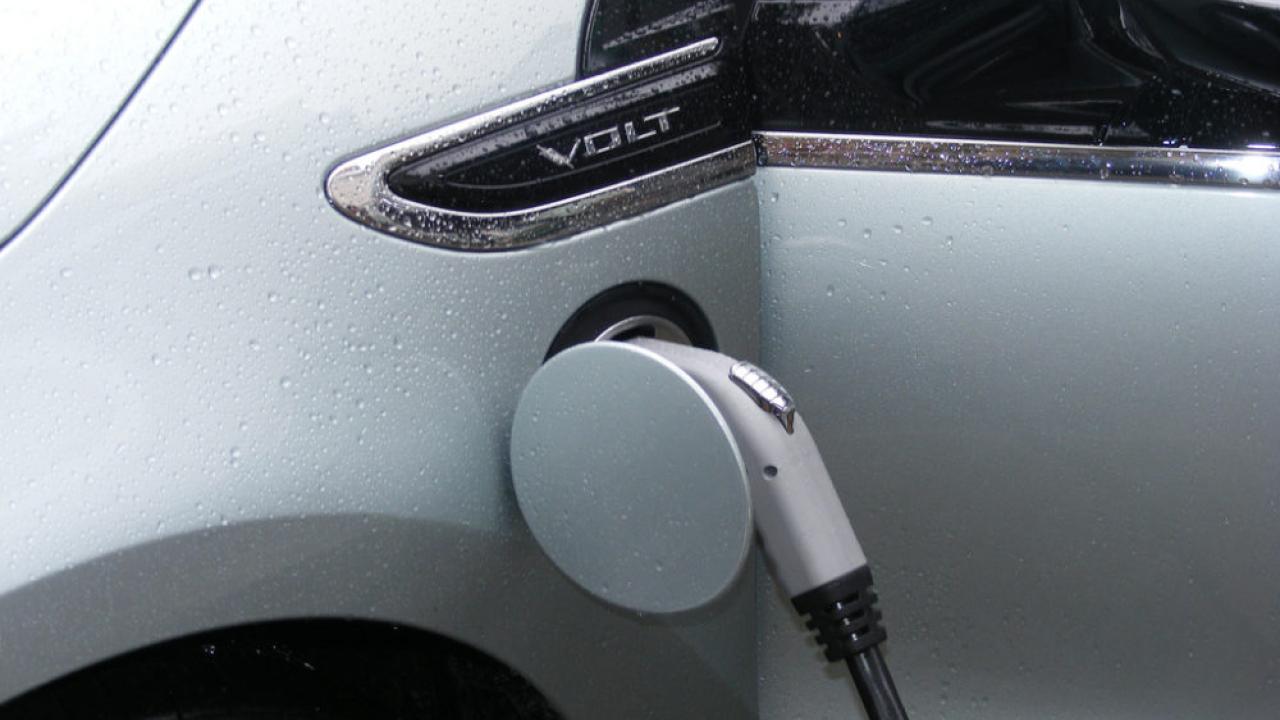
Autonomous, or “self-driving,” vehicles might get a larger share of the headlines for their future potential, but electric vehicles (EVs) look to be ready for the fast lane right now. While plug-in EVs make up less than 1 percent of auto sales in the United States, their sales are growing at nearly 30 percent year over year. Last year, EEI and the Institute for Electric Innovation forecast that up to 7 million EVs will be traveling on U.S. roads by the end of 2025.
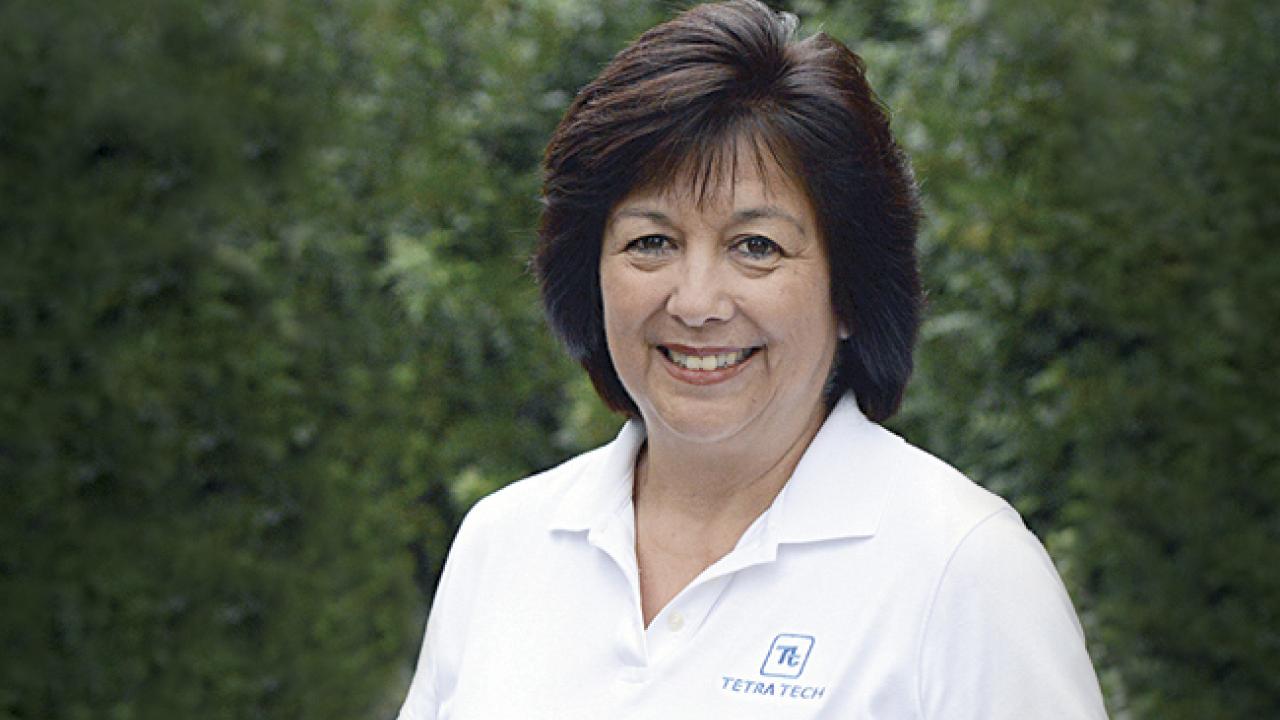
Expert Interview with Christine Arbogast, Solid Waste Expert
Ms. Arbogast leads the Organics Management Committee for Tetra Tech’s Solid Waste Practice. Her recent work has focused on helping solid waste system managers meet new requirements for diversion of organic waste from landfills and the assessment of financially and environmentally sustainable solid waste management practices. Her work has included evaluation of landfill capacity optimization options, waste diversion and organics management programs, renewable energy and conversion technologies, and food waste recycling and prevention programs.