Energy Efficiency

Corporate stories about Energy Efficiency across 3BL's network.

Latest in Energy Efficiency
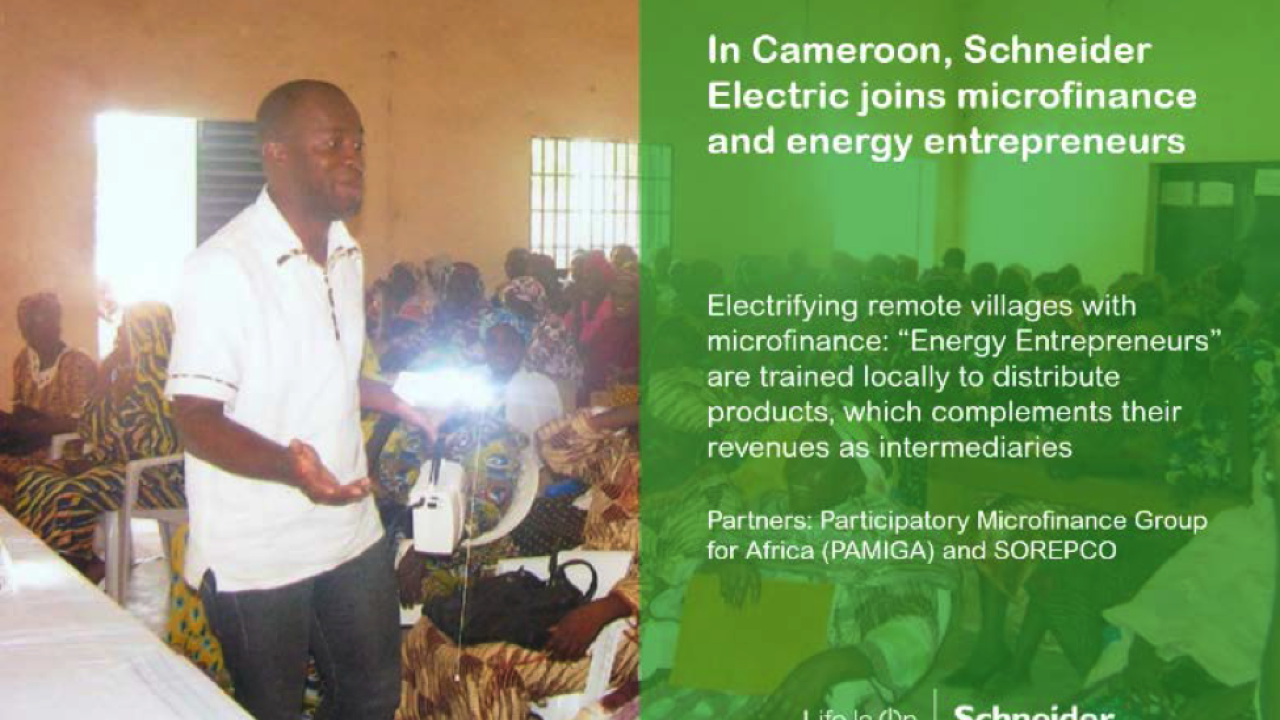
Schneider Electric WHITEPAPER | Discover Why Helping Entrepreneurs in the Energy Field Can Contribute to Reaching a More Sustainable Development
According to The United Nations University World Institute, entrepreneurship is a “resource process and state of being through and in which individuals utilize opportunities in the market by creating and growing business firms”. It can notably be key to addressing Sustainable Development Goals 7 and 8 of the UN, to ensure sustainable employment and lasting energy solutions. Thus, it needs crucial supporting actions from the International Community and local governments.
A Map for New Hampshire’s Energy Future
New Hampshire faces both challenges and opportunities in the transition to a reliable and affordable clean energy future. From infrastructure investments to workforce development, rising energy costs, and more, there is much to consider as the Granite State looks to increase our competitiveness and expand our energy options.
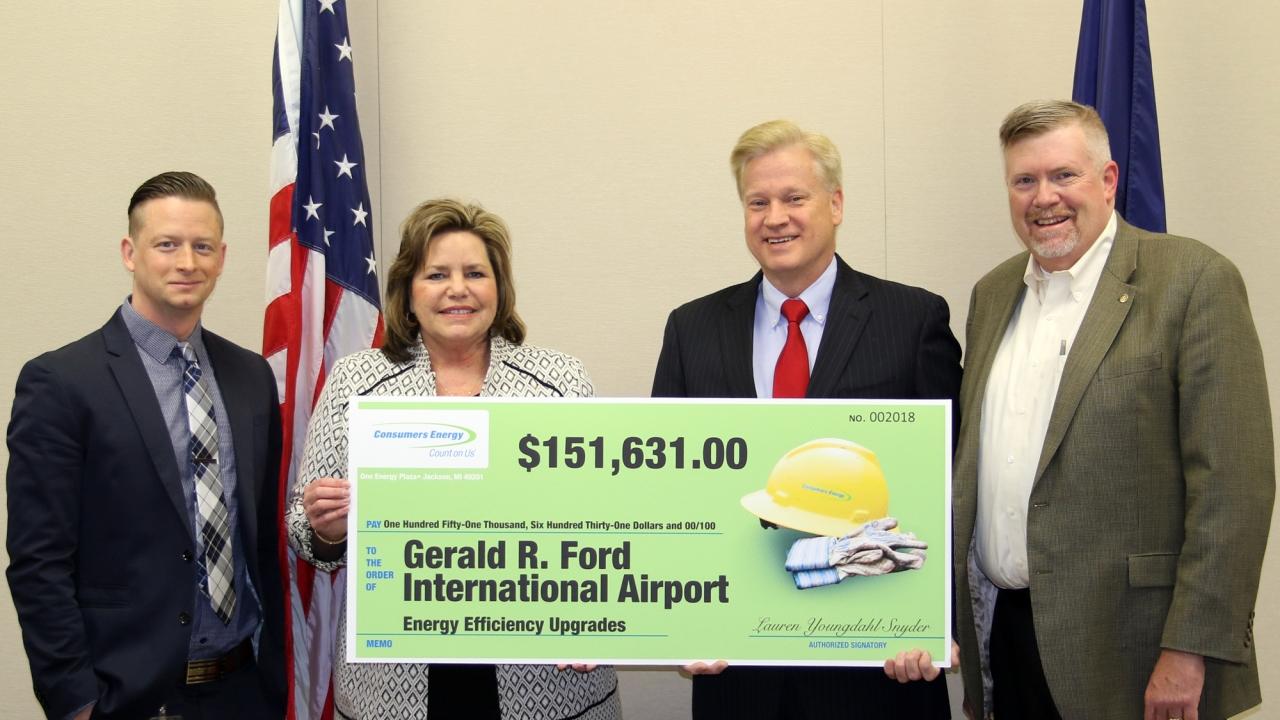
Consumers Energy Presents Energy Efficiency Incentive Check to Gerald R. Ford International Airport
The Gerald R. Ford International Airport is being recognized for having one of the best and most energy-efficient airports in the region. Consumers Energy presented a rebate check for $151,631 to the Gerald R. Ford International Airport (GFIA) today, as part of the company’s energy efficiency program which is saving the airport energy and money.
Visa Commits to 100% Renewable Electricity by End of 2019
Visa (NYSE: V) today announced its commitment to use 100 percent renewable electricity across its global operations by the end of 2019.
Are Smart Cities Real?
Is the smart city hype cycle over? Have concerns about cost, security and public skepticism finally won out over the benefits of efficiency, sustainability and public safety? It is fair to consider whether the futuristic visions of hyper- connectivity and advanced livability, enabled by accessibility to vast streams of data, can withstand the very real concerns that municipalities cannot afford the technologies behind smart city projects.
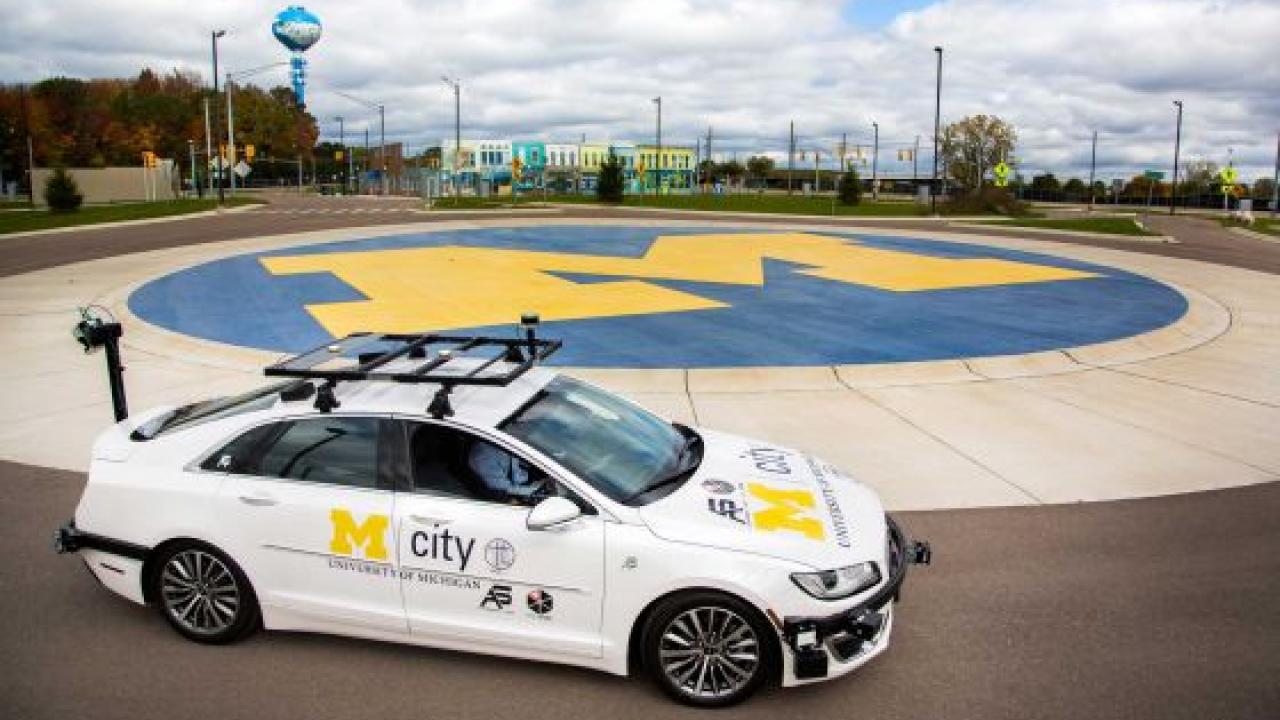
Erb Institute Student, Jim Gawron, Part of Research Team on Maximizing the Benefits of Autonomous Vehicles
ANN ARBOR—The added weight, electricity demand and aerodynamic drag of the sensors and computers used in autonomous vehicles are significant contributors to their lifetime energy use and greenhouse gas emissions, according to a new study.
Grid Modernization: Increasing Capital Investments To Decrease Risk
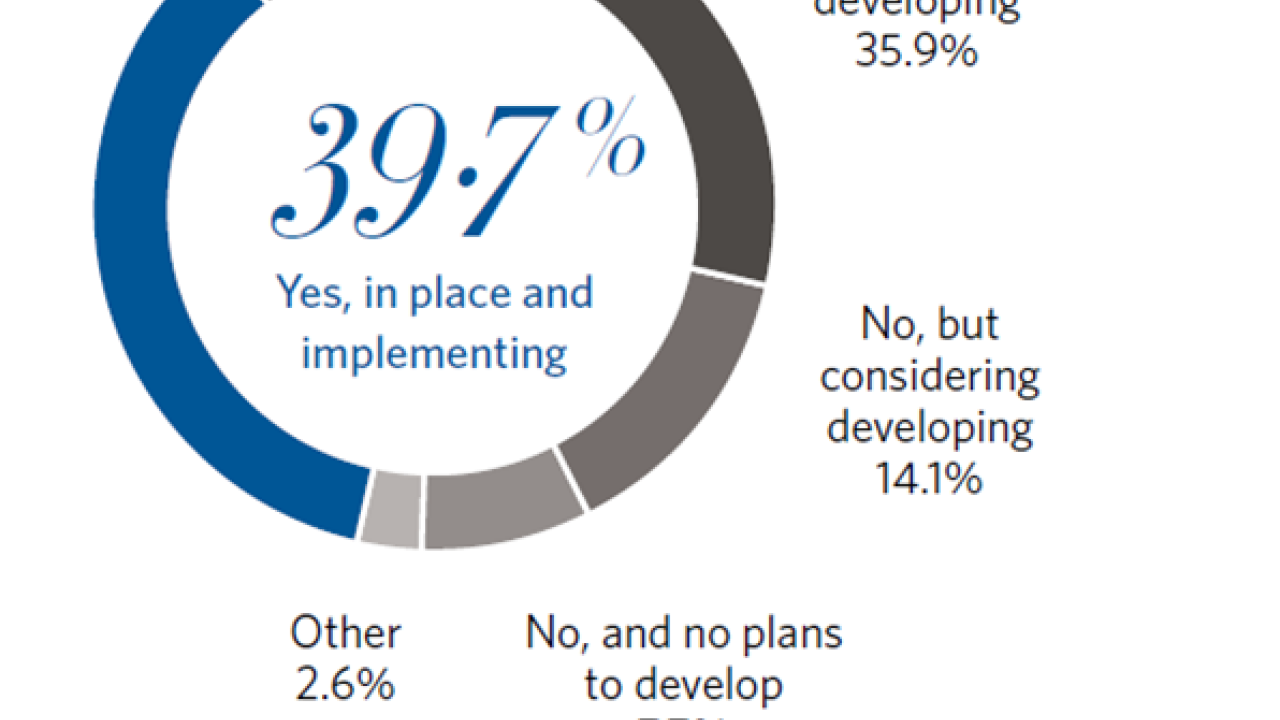
Growing commitment to distributed energy resources (DER) is forcing continued modernization of the grid — and the effort shows no signs of letting up. Whether by regulatory mandate or stakeholder pressure, system upgrades are being made worldwide to support the increase in renewable energy, while making infrastructure smarter and more resilient. Historically, attention to the grid’s distribution system focused on poles and wire maintenance and upkeep, but growing connectivity between assets is requiring a more holistic approach.
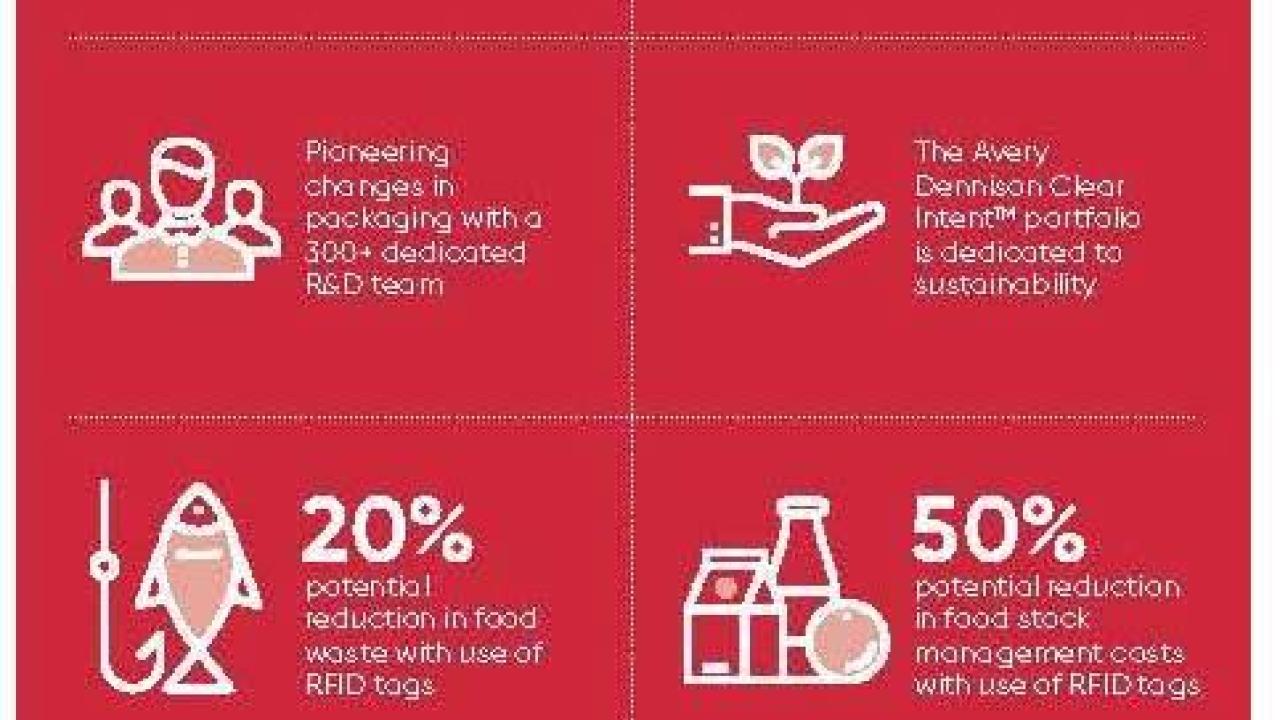
Avery Dennison Label and Packaging Materials - Built on Breakthroughs
As a company built on breakthroughs we are always looking forward to the future! Our global R&D of over 300+ engineers, chemists and material scientists are focussed on the next series of innovations that will create the future of packaging.
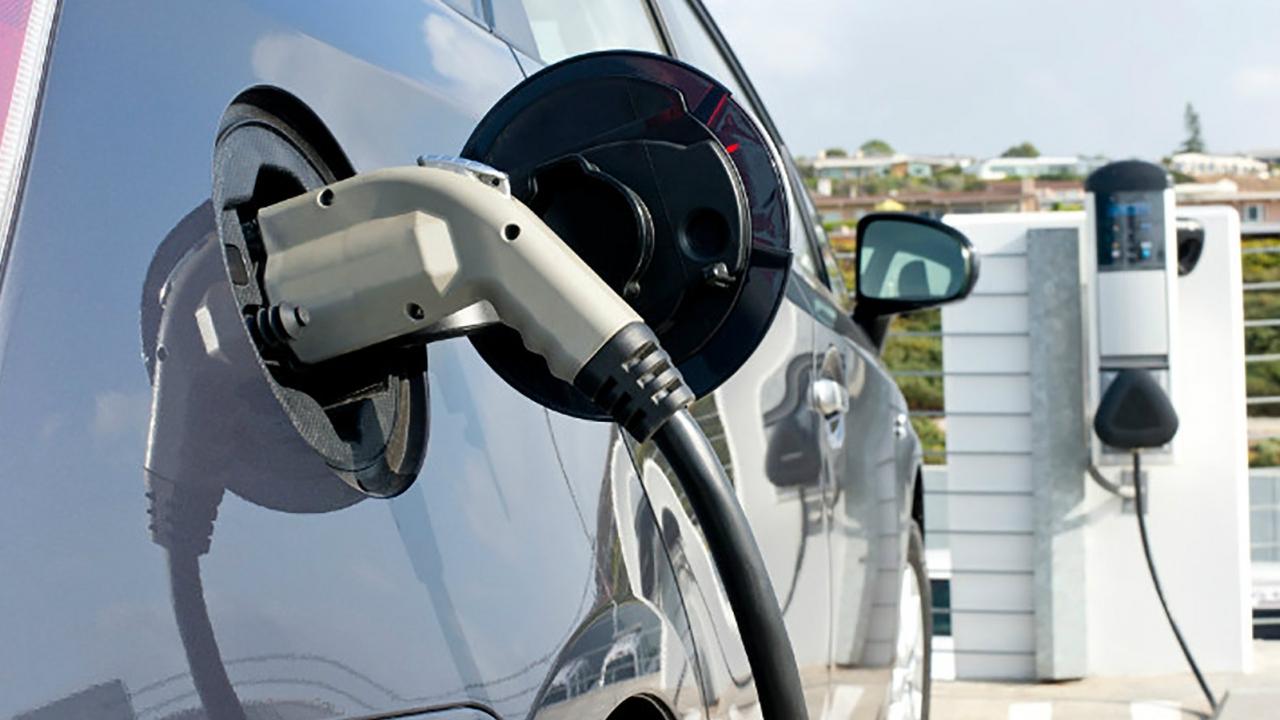
Electrification on the Rise: Can Electric Vehicle Charging Networks Keep Up?
Last year marked a monumental turning point for the future of electric vehicles (EVs), with several auto companies such as Volkswagen AG, General Motors and Volvo announcing significant electrification plans. Bolstered by improved battery technology, longer battery range, greater variety and lower prices, consumer confidence in EVs is at an all-time high. According to Forbes, light-duty EV sales in the United States rose 37 percent in 2016.

Utilities need to start thinking now about how they are going to scale up power infrastructure to meet the increased demand for commercial and personal vehicles. Although the benefits of electrification are undeniable, the move away from internal combustion engines is raising questions about energy management and grid stability.
Sands ECO360: John Hess, Executive Director of Engineering
When The Palazzo was first being constructed, Las Vegas Sands had an opportunity to build it in a way that would be environmentally friendly as a LEED certified, Leadership in Energy and Environmental Design, building. Based on this initiative, Las Vegas Sands began to take on several opportunities in sustainability for new and existing buildings. As part of the initial group that led to the development of Sands ECO360, John Hess, corporate executive director of Engineering, provides technical support during all phases of construction for new buildings and major renovation projects.