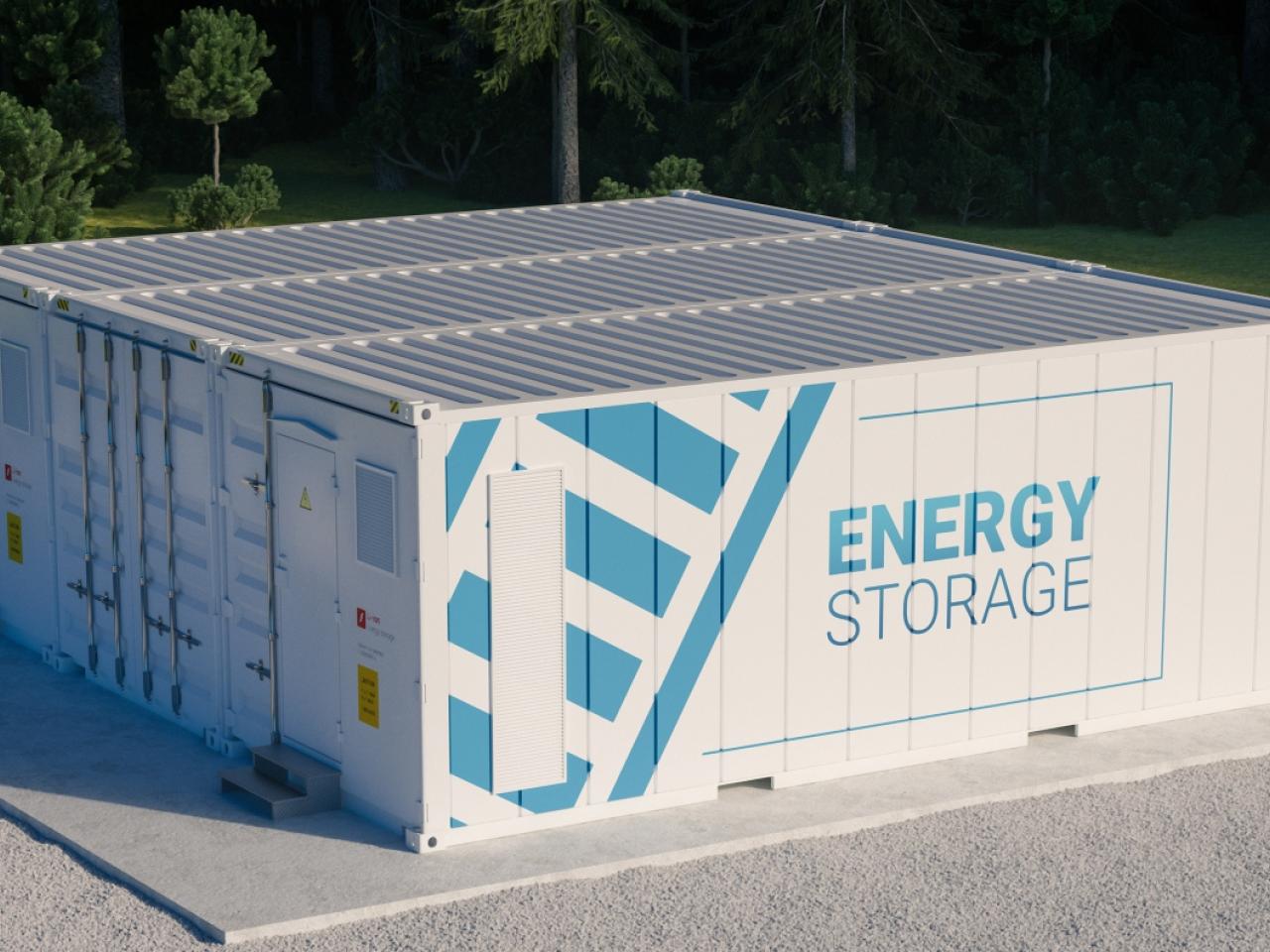
The global supply of stationary energy storage systems has expanded dramatically as the number of solar and wind farms increase – but ensuring the safe operation of larger systems is critical to their long-term success.
Building the business case for sustainability within a company is not always easy. In this interview, Symantec's Debra McLaughlin reveals practical examples of how the company tackled some of their CSR challenges, and how sustainability reporting has been an effective tool for that.
The Well Living Lab today announced an extensive three-year scientific research plan to identify how indoor environments effect five significant facets of people’s lives: health, performance, stress and resiliency, sleep and comfort. Studies will examine these factors for homes, workplaces and independent living communities. A critical component of the research is the interplay of elements such as sound, lighting, temperature and air quality, all of which can be altered in various combinations to uncover positive, neutral and negative effects on people.
Tetra Tech is providing critical performance monitoring, evaluation, and capacity building support to strengthen data use and help create a stable and democratic Jordan.
It is a little over three years since the adoption of EU Directive 2014/95/EU on non-financial disclosure. By now, all EU Member States have transposed these rules into their relevant national legislation, and some innovative and progressive practices have emerged. This article highlights some of the best practices in the application of these state-specific requirements.
The recently concluded 2018 World Economic Forum in Davos focused extensively on energy and environmental challenges that companies are facing to ensure they attain their sustainability commitments. Most of the corporate participants at Davos agreed that they need to integrate and advance their energy and sustainability programs on an urgent basis to address the issues arising out of rapid climate change.
Growing commitment to distributed energy resources (DER) is forcing continued modernization of the grid — and the effort shows no signs of letting up. Whether by regulatory mandate or stakeholder pressure, system upgrades are being made worldwide to support the increase in renewable energy, while making infrastructure smarter and more resilient. Historically, attention to the grid’s distribution system focused on poles and wire maintenance and upkeep, but growing connectivity between assets is requiring a more holistic approach.
This month, GRI's newsletter highlights information to support what for many companies is the beginning of the reporting cycle. For example, there's an article on what kinds of businesses in Denmark and Greece now fall under the EU Directive on Non-financial Reporting, given how the company scope requirements were incorporated in local legislation.
Last year marked a monumental turning point for the future of electric vehicles (EVs), with several auto companies such as Volkswagen AG, General Motors and Volvo announcing significant electrification plans. Bolstered by improved battery technology, longer battery range, greater variety and lower prices, consumer confidence in EVs is at an all-time high. According to Forbes, light-duty EV sales in the United States rose 37 percent in 2016.
Utilities need to start thinking now about how they are going to scale up power infrastructure to meet the increased demand for commercial and personal vehicles. Although the benefits of electrification are undeniable, the move away from internal combustion engines is raising questions about energy management and grid stability.
Asif Ansari, Manager of Environmental Compliance and Risk Management, explains how the United States Postal Service evaluated its unique software requirements, and selected a path to best meet its needs.
Today, at GreenBiz18 in Phoenix, the World Business Council for Sustainable Development (WBCSD) released a new report, compiling data from the Reporting Exchange that offers a closer look into the reporting landscape of the United States and Canada.
AEG embraces its responsibility to enrich the lives of people in the communities around the world where we do business, and to use business to create...
In states where Key has a presence, there are approximately 1.7 million low- to moderate-income (LMI) households. Many LMI individuals don’t have bank...
Diverse teams build better products — period. At GoDaddy, we make apps and services that our worldwide community of entrepreneurs can relate to. Our...
Everyone’s financial journey is different. We make intentional efforts to meet the individual needs of clients and communities through a diverse range...