The Document That Transformed Hong Kong's Power Industry

The Document That Transformed Hong Kong's Power Industry

First signed in 1964, the Scheme of Control agreement played a key role in making electricity services more within reach in the post-war era.

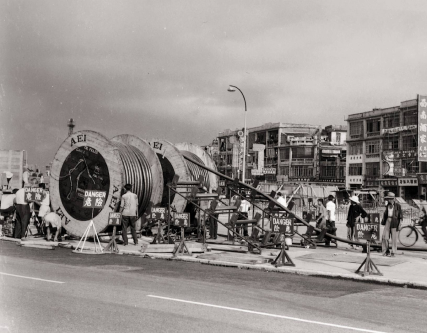
CLP workers were laying cables in Kowloon City in the 1950s to support industrialisation and population growth.

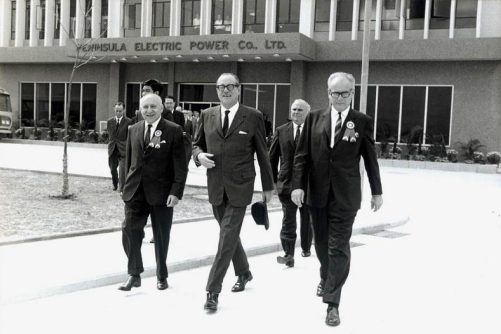
In 1964, the deal between CLP and Esso Standard Eastern to form Peninsula Electric Power Company Limited, a jointly-owned power generation company, was approved by the Hong Kong Government, reaching an agreement on a scheme of financial control.

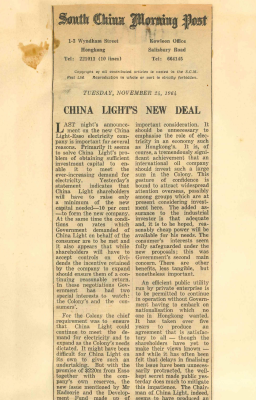
An article in the South China Morning Post was published on the following day of the announcement of the first Scheme of Control agreement to discuss its importance in marking a landmark in Hong Kong’s colonial history.

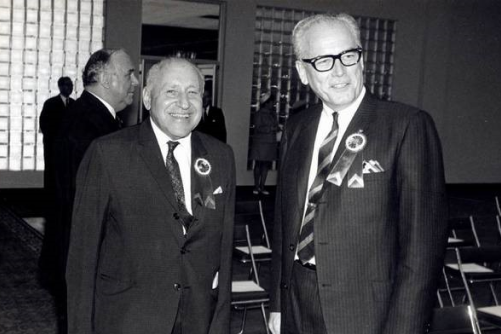
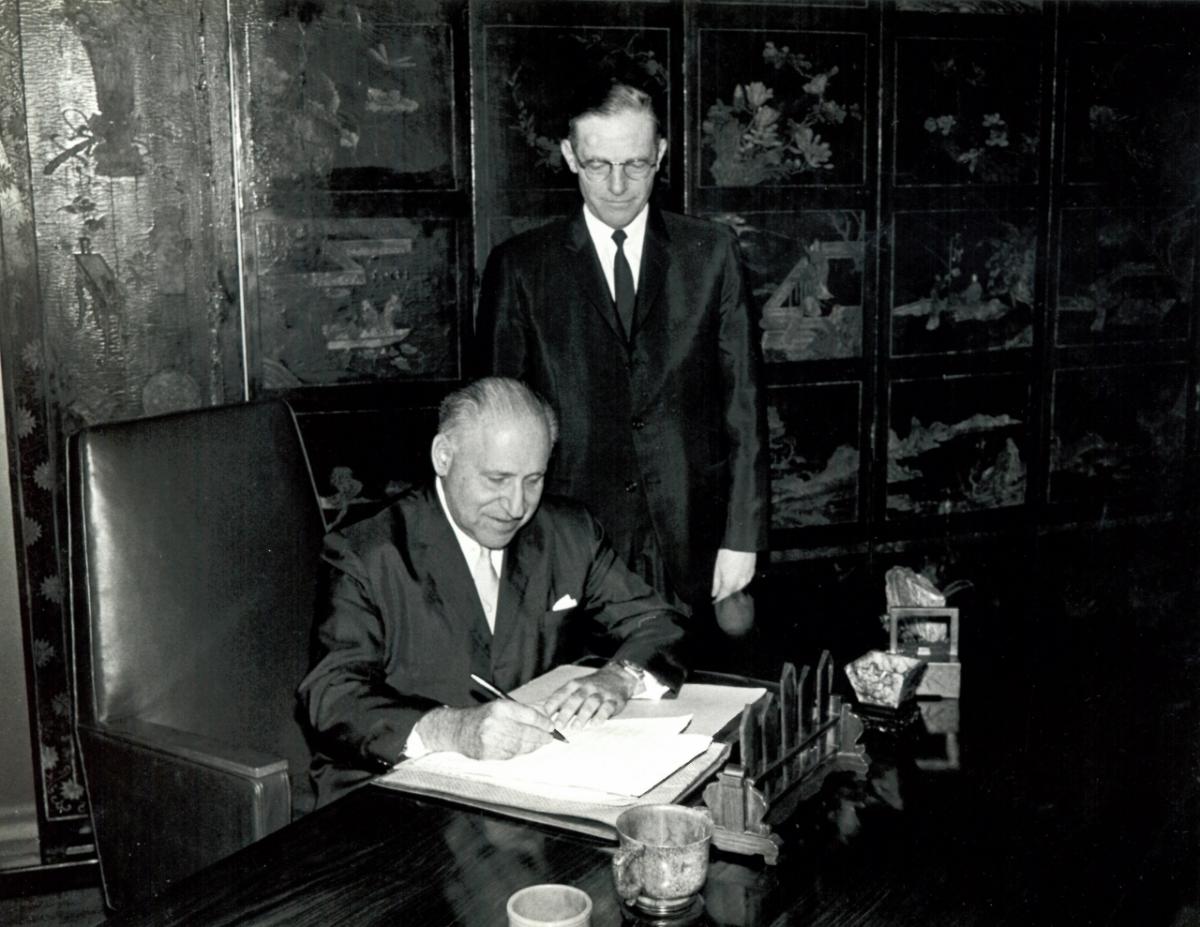
Lord Kadoorie from CLP and Esso Chairman Fred Westphal attended the opening ceremony of the Tsing Yi Power Station in 1964.

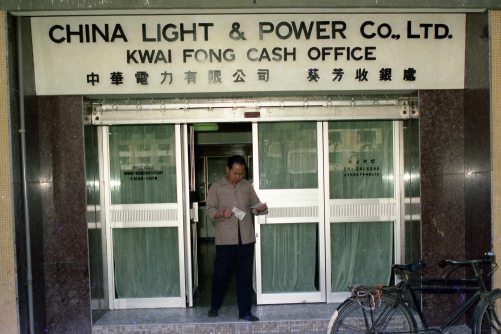
The Kwai Fong Cash Office was set up in the 1970s to allow residential CLP customers to settle their bills in person.

Over half a century, the Scheme of Control agreement has provided regulatory and economic certainty to support CLP’s growth, which dedicates itself to the long-term development of Hong Kong.

The latest renewal of the Scheme of Control agreement in 2018 provides a solid foundation for CLP to make its pledge to support Hong Kong’s transition towards a sustainable, low-carbon future outlined in its Climate Vision 2050.

Tuesday, April 20, 2021 - 11:30am

CAMPAIGN: CLP | Corporate Culture and Initiatives

CONTENT: Article

It’s the document that allows CLP to bring electricity into the homes of 2.65 million Hong Kong customers, and an agreement that played a key role in helping the city grow from a fishing port into a world-famous metropolis.

The Scheme of Control (SoC) agreement is a vital document that sets out the basis for CLP to do business and serves as a framework by which the government monitors CLP's financial, operational, and environmental performance. 

For more than half a century now, it has ensured customers enjoy a safe, reliable supply of electricity at a reasonable price, while CLP is granted a regulated return in relation to the time and capital-intensive nature of its business.

First signed in 1964 between CLP, the Peninsula Electric Power Company Limited (PEPCO, later known as Castle Peak Power Company Limited or CAPCO), and the Hong Kong government, the agreement played a key role in making electricity services more within reach in the post-war era...

Continue reading on CLP Innofinity


About CLP Innofinity

CLP Innofinity is a content hub where readers can find a carefully curated collection of inspiring articles and opinion pieces discussing breakthroughs in innovation and sustainability. The platform is brought to you by the CLP Group, one of the largest investor-owned power businesses in the Asia-Pacific region.

CATEGORY: Energy