Wildlife Conservation

Corporate stories about Wildlife Conservation across 3BL's network.

Latest in Wildlife Conservation

Duke Energy Partners with Indiana Schoolchildren to Build Rain and Butterfly Gardens at Floyd County Park
About 30 volunteers from Duke Energy paired with Floyd County third- and fourth-graders to create rain and butterfly gardens at Kevin Hammersmith Memorial Park, Floyd County’s new 35-acre park.
VIDEO | P&G Asks Kids What 2030 Will Be Like
We don’t know what the world will be like in 2030 so we asked the next generation. Hear what they say and how our new 2030 sustainability goals will help leave a better world for them.
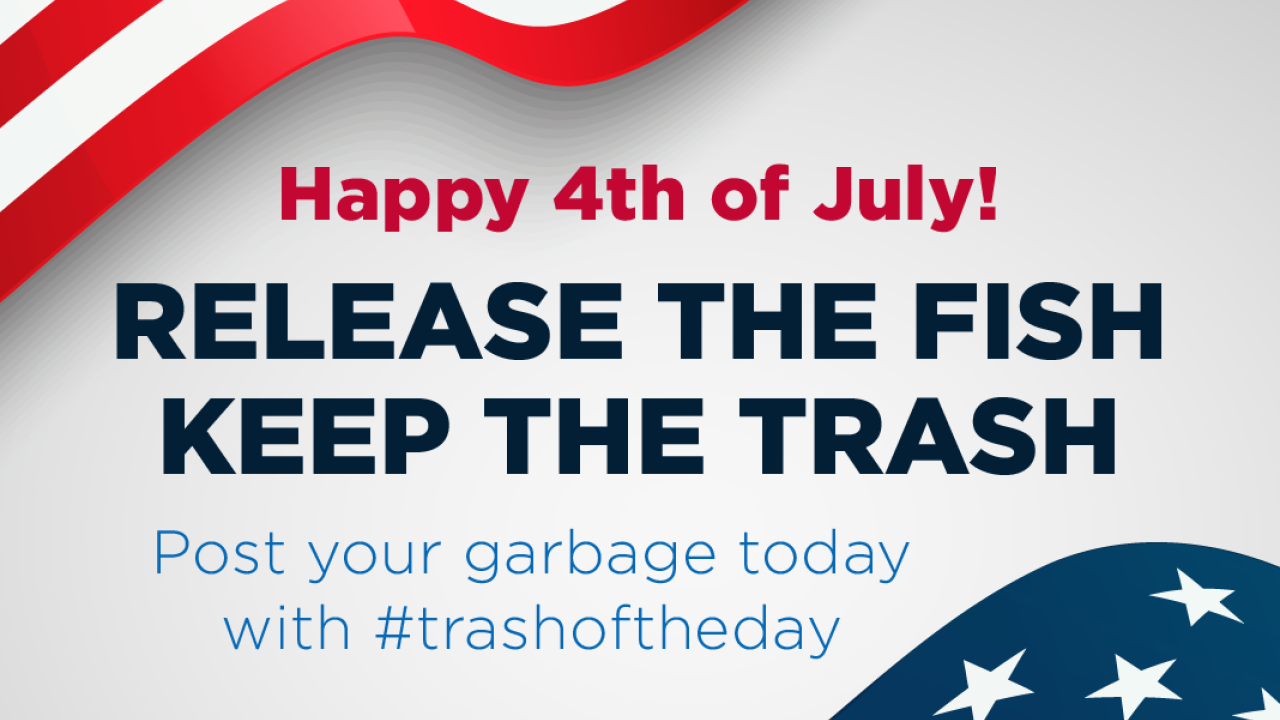
Four Million American Anglers Mobilized in Crowdsourced Effort to Collect Data and Trash from U.S. Waters This Independence Day
This Independence Day, Wednesday, July 4, 2018, Keep America Beautiful, the nonprofit steward of litter prevention for more than six decades, is partnering with Fishbrain, the world’s most popular mobile app and social network for people who love fishing, to ask the app’s over 4 million US users to undertake the largest-ever one-day crowdsourced audit of litter in the US.
Right of Way (ROW) Owners Allow the Bees to Tell Their Stories
There are so many utilities and other right-of-way owners out there that are providing a commendable contribution to the environment and conservation, but the sustainability focus always seems to be on the "bigger" concerns, such as emissions or larger animals that people can relate to like a sweet manatee or a cute cougar cub. All of the good things that happen with right-of-way vegetation management remain unnoticed.
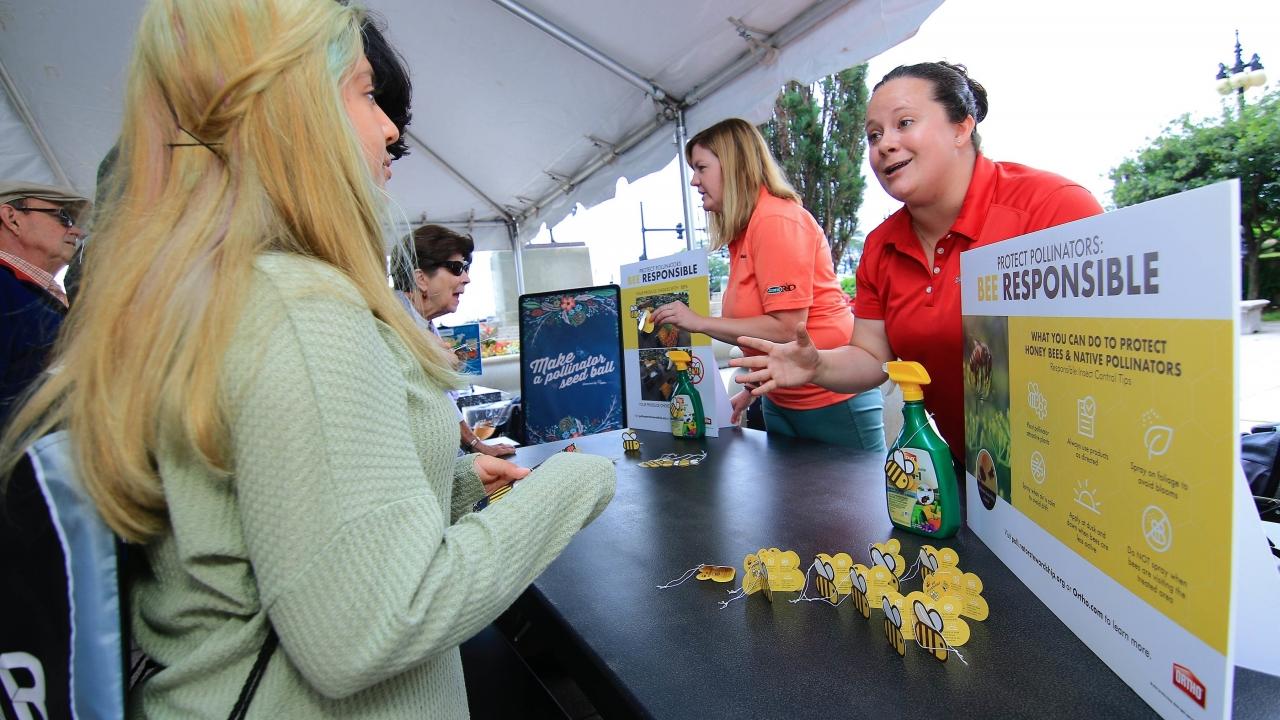
Ortho and Pollinator Stewardship Council Help Home Gardeners “Bee Responsible”
To help home gardeners protect honey bees and other native pollinators OrthoⓇ, a leading brand in lawn and garden, today announced a first-of-its-kind consumer education campaign with the Pollinator Stewardship Council. Titled “Bee Responsible,” the campaign shares tips for responsible pesticide use, including when and how to apply garden control products to avoid pollinators.
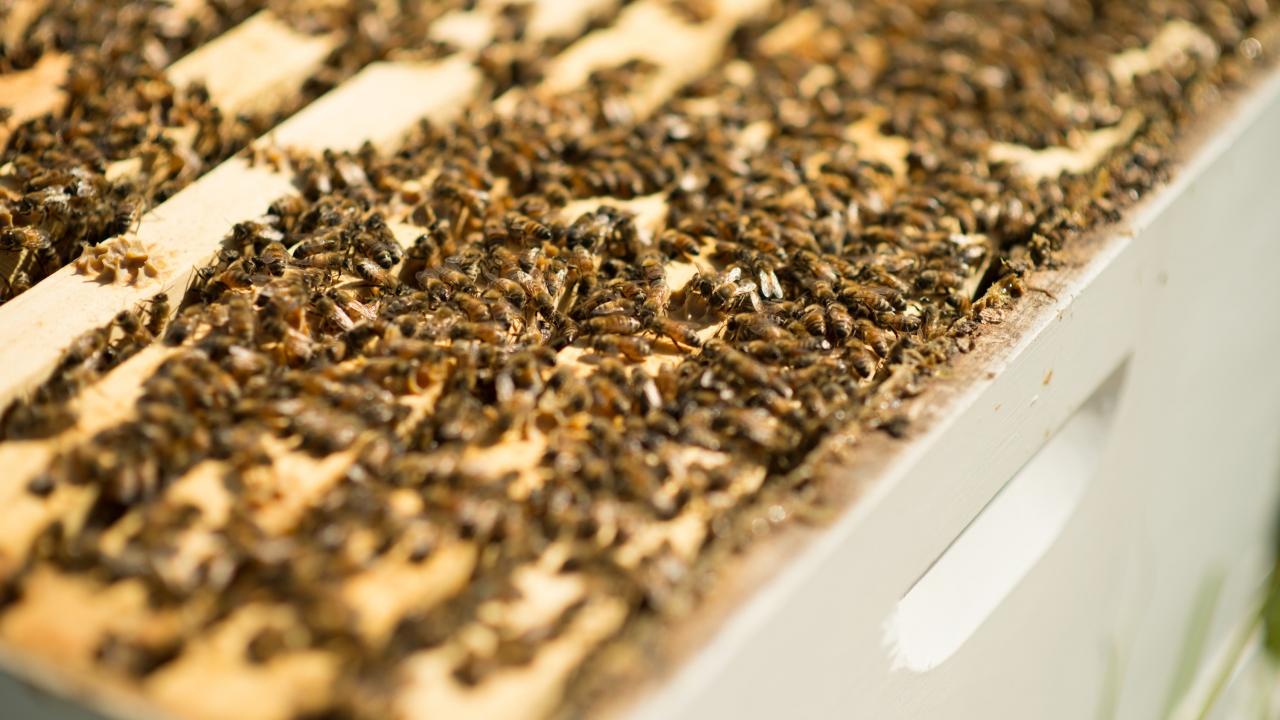
The Agricultural Community Is Buzzing to Protect the Bees
If you eat, you need bees. In fact, one in three bites of our food relies on honey bee pollination. This, naturally, means that farmers rely on honey bee pollination. With increasing food demands due to population growth, we all need modern agriculture to be successful. That success requires healthy honey bee colonies.
United Nations Development Programme Announces ‘The Lion’s Share’ Fund With Founder Finch and Founding Partner Mars to Tackle Crisis in Wildlife Conservation and Animal Welfare
The United Nations Development Programme (UNDP), FINCH and founding partner Mars, Incorporated today announced an initiative aimed at transforming the lives of animals across the world by asking advertisers to contribute a percentage of their media spend to conservation and animal welfare projects.

The initiative, a fund called The Lion’s Share, will see partners contribute 0.5 percent of their media spend to the fund for each advertisement they use featuring an animal. Those funds will be used to support animals and their habitats around the world. Mars is the first advertising partner in The Lion’s Share.
Leaving It Better: Consumers Energy Protects Bees, Butterflies During Natural Gas Pipeline Project
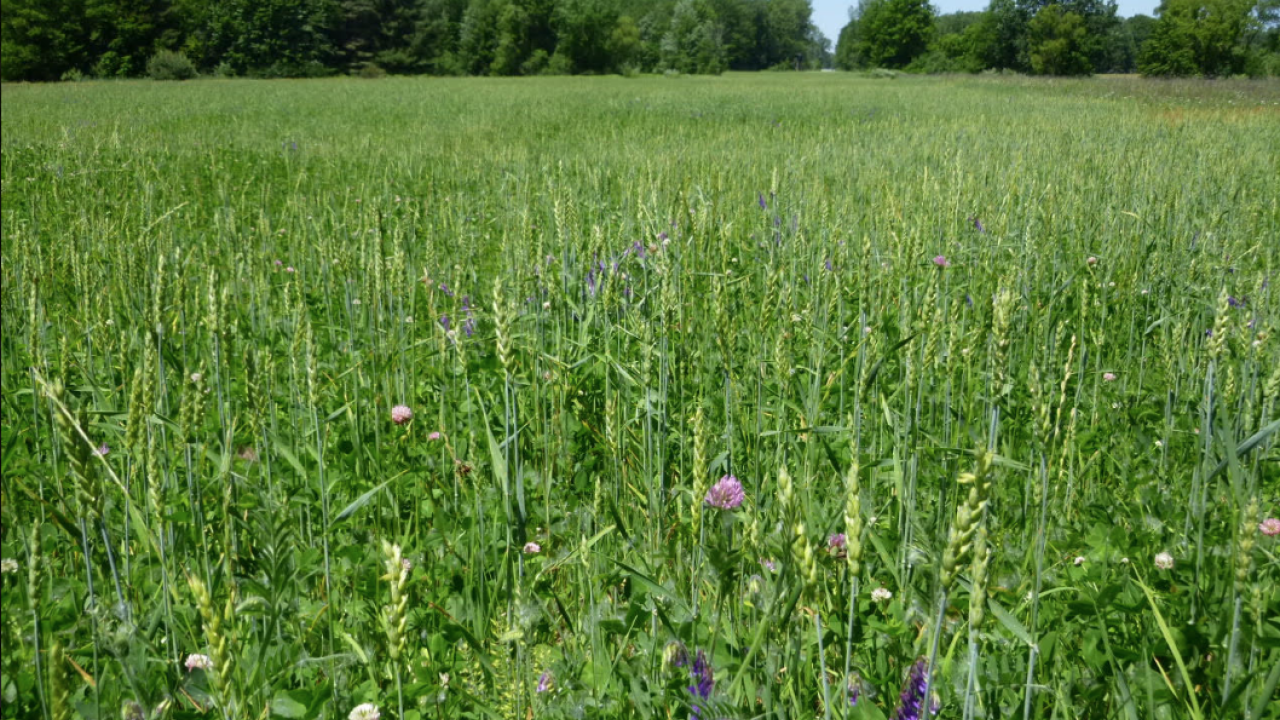
Consumers Energy is exceeding environmental requirements on the Saginaw Trail Pipeline, replacing 78 miles of aging natural gas pipeline with native grasses and wildflowers to attract bees, butterflies and other pollinators.
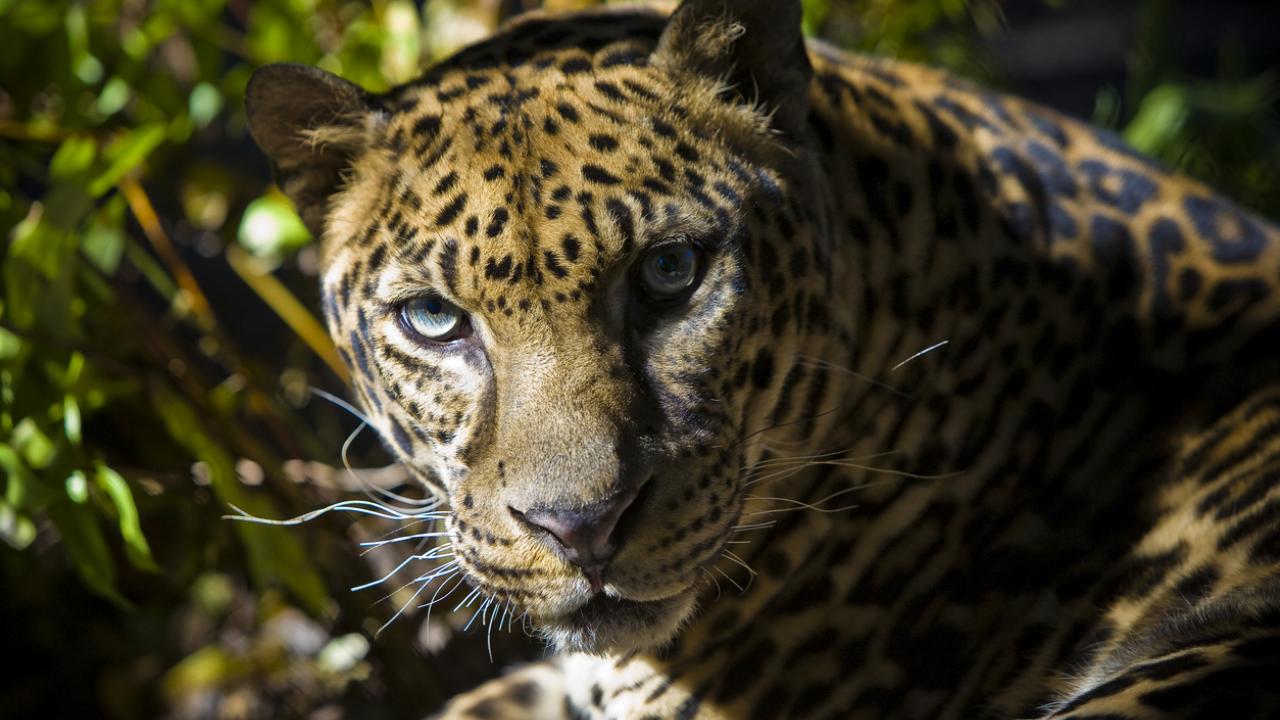
These Wildlife Species Are Disappearing From North American Forests
Our forests are home to critical wildlife habitat. When our forests are threatened, it also threatens the homes of all the diverse wildlife habitat that live there. Natural disasters, urbanization, and agriculture are just a few of the common causes of deforestation. But as deforestation continues to rise, the animals that call it home start to disappear. These are just a few of the endangered and threatened animals disappearing as recorded by the U.S. Fish and Wildlife Service.