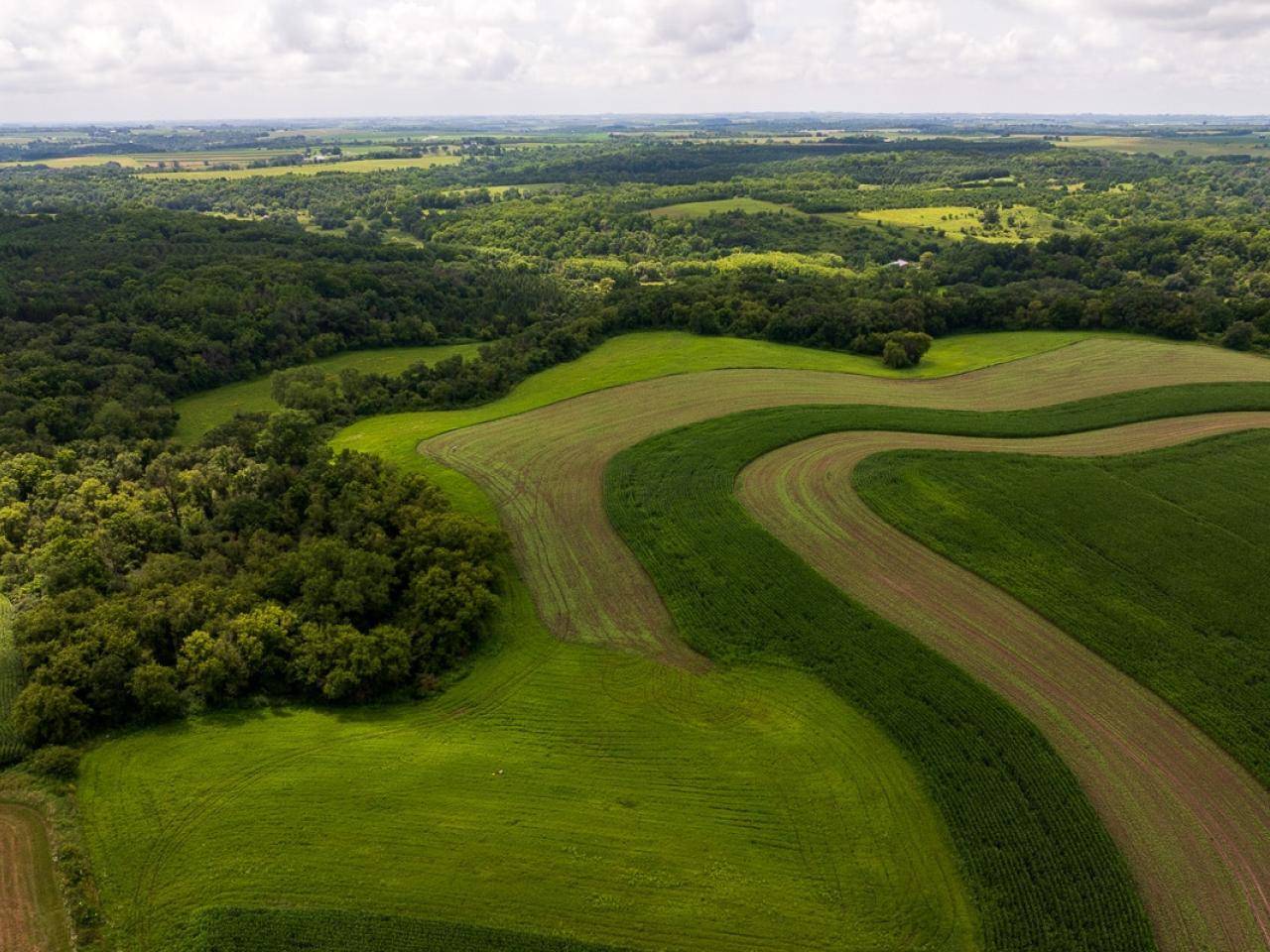
Mad Capital, a public benefit corporation (PBC) and mission-driven partner of non-profit Mad Agriculture, shares its intention of creating a regenerative revolution in agriculture.
Community spaces are what bring people together. In trying and often dividing times, they can be a source of joy and connection. However, the level of capital funding required to bring these long term projects to life can be difficult to fundraise for.
In recent years, there’s been a lot of buzz, and skepticism, about Sweden’s efforts to move to a cashless economy. Other countries are following suit. In the place of physical cash, these economies are increasingly using credit, debit, and mobile payments for financial transactions. One central criticism of cashless economies is that the reliance on technology will exclude vulnerable populations – those who are most likely to be unbanked or have low digital literacy or technology access.
ABLE accounts allow eligible individuals in the disability community to build assets for today’s needs and invest for tomorrow. Monies placed into an ABLE Account permit a new way to save money without losing eligibility for certain means-tested benefit programs like Medicaid and Supplemental Security Income (SSI).
Communicating new topics to investors often requires new operational processes, personnel, and data; disclosure can work as an organizational forcing function. Corporations are wrestling with this in the context of sustainability and long-termism.
The interest from the investment community in ESG disclosures is growing at a rapid pace, with no sign of slowing down. The shift is requiring more parts of the organization to be involved, with levels of transparency being asked that simply wasn’t before. What do investors expect and how do all stakeholders push ESG disclosure forward?
Fair Trade USA announced today that it will increase its minimum price and premium for cocoa by 20 percent as of October 1, 2019 to move farmers closer to a living income and reduce the extreme poverty and child labor that is prevalent in West Africa’s cocoa fields.
Consumer demand for healthier products continues to grow. With concerns ranging from the cost of healthcare to the effects of food and agriculture on climate change, consumers of all ages are opting for natural, organic and functional foods and beverages, nutritional supplements, natural medicines and other eco-friendly products from mission-based companies that share their values and address their concerns.
Wells Fargo is evolving its philanthropic strategy to help solve three pressing issues affecting individuals, families, and underserved communities across the U.S. — housing affordability, financial health, and small business growth — the company announced June 5.
Everyone’s financial journey is different. We make intentional efforts to meet the individual needs of clients and communities through a diverse range...
The SCS Kingfisher certification mark is showing up on an increasing number of products around the world. It differentiates companies that are making...