Responsible Production & the Circular Economy

Corporate stories about Responsible Production & the Circular Economy across 3BL's network.

Latest in Responsible Production & the Circular Economy

Coming Attractions: A Sneak Peek at the New Technologies Shaking Up the Ag Industry
AgFunder News blogs about the agricultural innovations coming down the pipeline, with the good news and bad news that come with them.
Abbott Releases 2016 Sustainability Report
Today, Abbott released its 2016 Global Sustainability Report, reinforcing its dedication to helping people live fuller, healthier lives around the world. The report details the company's global sustainability efforts and results, including its work to protect the environment, as more than 130 environmental projects in 2016 alone improved waste, water and energy efficiencies globally.
Cargill Announces Progress on Aqua Nutrition Sustainability
Cargill continues to make measureable progress in its aqua nutrition business against its key sustainability indicators, according to its annual sustainability report issued today. The Cargill Aqua Nutrition sustainability report is an integrated report prepared in accordance with the Global Reporting Initiative (GRI) Standards’ core option and captures important performance measures on environmental and social indicators.
Strengthening Food Security in the Developing World
Everyone wants to ensure food is safe, accessible, nutritious, and available for all. At General Mills, that responsibility is at the heart of much of what we do.
Surprise! What LCA Reveals about the Built Environment and the Circular Economy
Life cycle assessment (LCA) has gained significant traction in the green building sector as a tool for evaluating the environmental performance of building materials and products, especially since USGBC LEED began recognizing LCA-based Environmental Product Declarations. As manufacturers and stakeholders have learned, LCA supports transparency by providing a holistic, systems-oriented perspective on the environmental and human health impacts associated with resource extraction, production, product use, and product disposal or recycling. Moreover, it is an invaluable tool for assessing the benefits and tradeoffs associated with various “design for environment” solutions aimed at building a more circular economy. However, LCA is full of surprises. This article explains why.
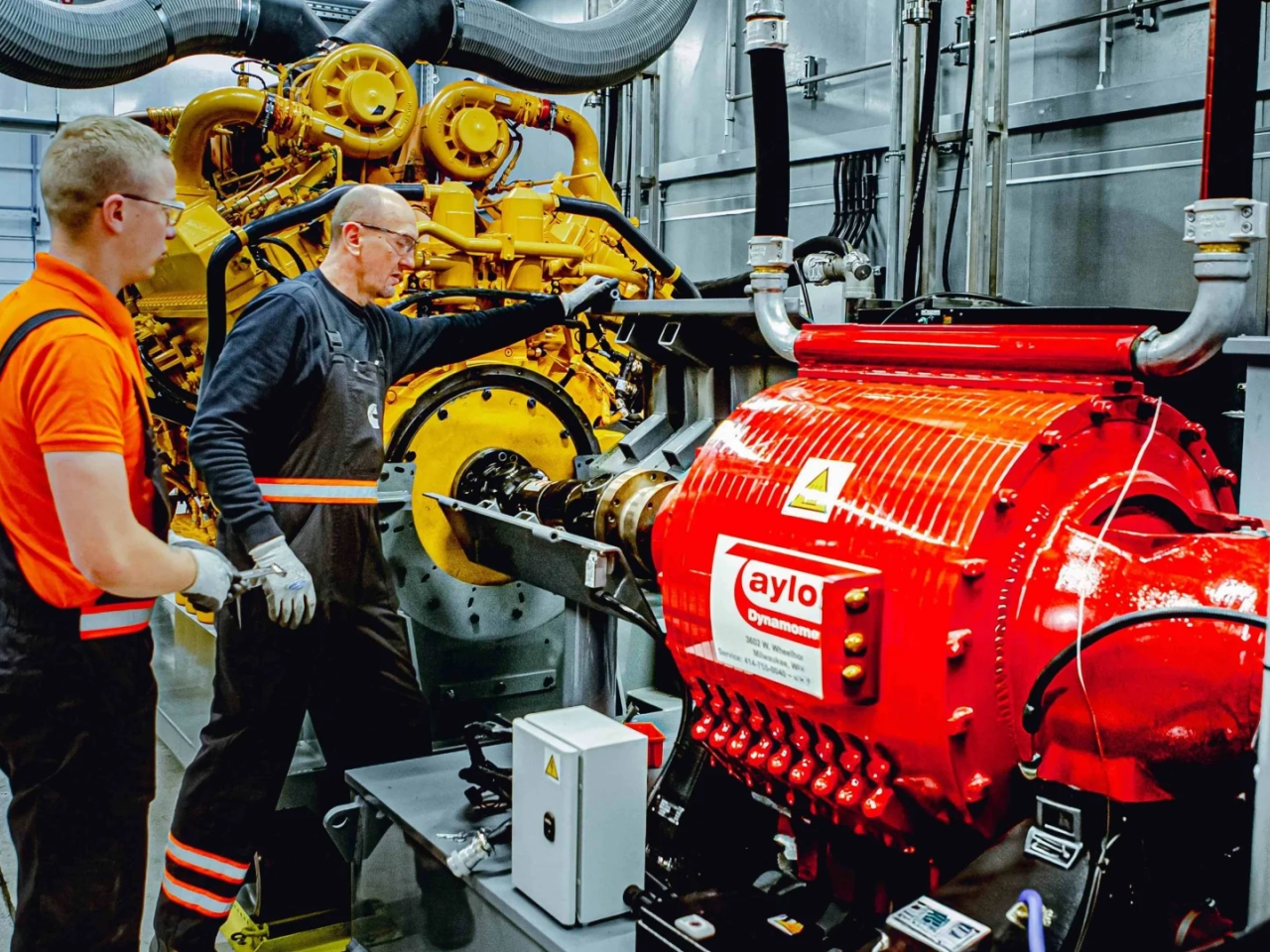
HP Announces New Social and Environmental Goals With Release of the HP 2016 Sustainability Report
Sustainability serves as a guiding principle for how HP does business, fueling the company’s innovation and growth. It supports HP’s vision of creating technology that makes life better for everyone, everywhere.
Ecocentricity Blog: Front 4 - Closed Loop Manufacturing
As Amory Lovins says, “if it exists, it must be possible.” Nutrient cycling exists. That means it must be possible for mankind to create a manufacturing system that works just as well.
SCS Global Services Lauds Announcement of Tuna 2020 Traceability Declaration
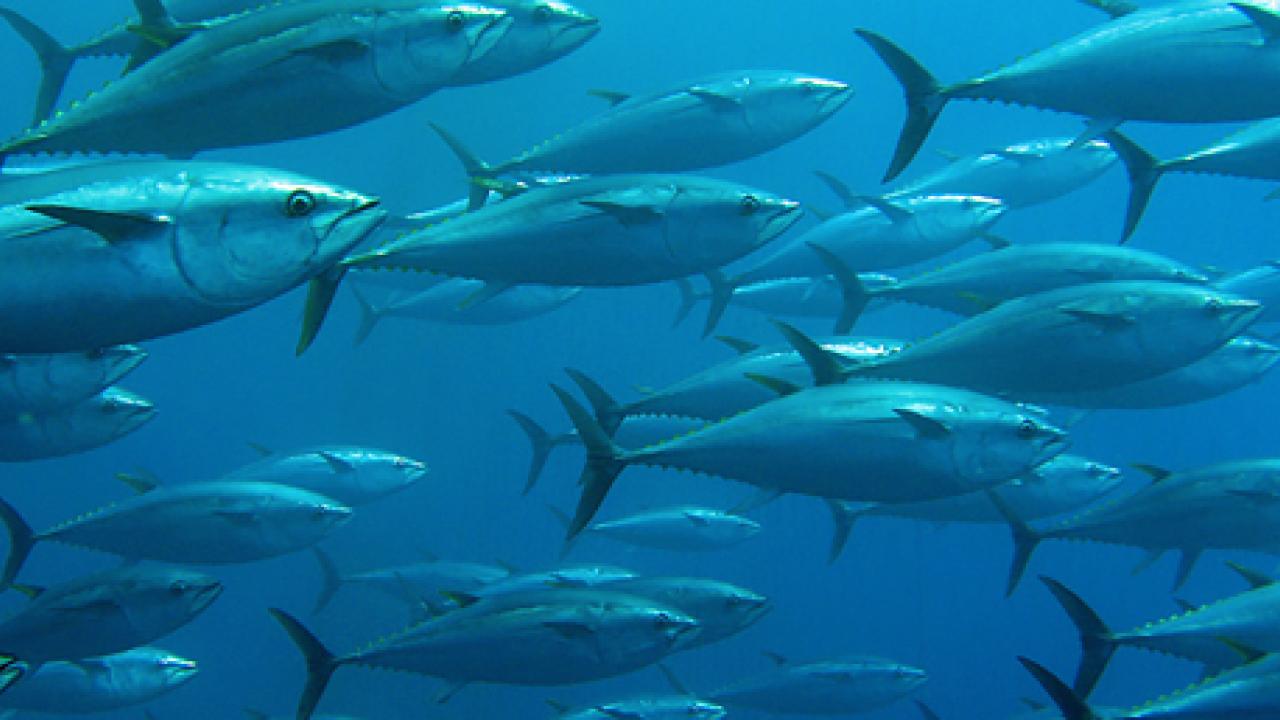
Congratulations to The Nature Conservancy, Marine Stewardship Council, Tri Marine, and the others involved in launching the Tuna 2020 Traceability Declaration. SCS has provided third party MSC assessments of fishery management and seafood traceability since 2000. As a Conformity Assessment Body that focuses on environmental and social certification, SCS will continue to be an active leader in the industry, supporting this commitment to rid oceans of illegal tuna fishing and forced labor. http://ow.ly/SV7630cxp9a
HP Announces Supply Chain Goals to Enhance Environmental and Social Impact
HP Inc. (NYSE: HPQ) today released its 2016 Sustainability Report, outlining new efforts to shrink its global footprint through a 10 percent decrease in supply chain Scope 3 greenhouse gas (GHG) emissions intensity by 2025[1].
Tactics of Diversion: Measuring and Reporting Zero Waste Targets
Waste implies squandered resources, be they time, money or materials. Managing money and time are core competencies of any successful business. But somehow, trash and garbage have gotten a free pass. Fortunately, that is changing. As companies embrace one form or other of “zero waste” commitments, the business case for efficient and sustainable resource flow management is catching on.