Corporate Responsibility

Corporate stories about Corporate Responsibility across 3BL's network.

Latest in Corporate Responsibility
IWBI and GRESB Deliver Report Demonstrating Alignment Between WELL and GRESB 2020
The International WELL Building Institute (IWBI) and GRESB today released a report that outlines how the GRESB Real Estate Assessment is supported by the WELL Building Standard (WELL).
Watch Land Betterment Corporation's Impact Minute Episode 9
Land Betterment, an environmental solutions company fostering positive impact through upcycling former coal mining sites to create sustainable community development and job creation, is proud to release Episode 9 of its Impact Minute video blog.
56 More Companies Partner With Benevity to Power Their Corporate Purpose in First Half of 2020
New clients, including Toyota, Jacobs and COFRA Holdings, bring the total number of employees in Benevity’s client network to over 18 million.
Sappi Commits to UN Sustainable Development Goals (SDGs)
As we enter into the last year of our five-year performance cycle, we’re already thinking about what 2025 might look like.
Freeport-McMoRan Publishes 2019 Annual Report on Sustainability and Inaugural Climate Report
In June, Freeport-McMoRan Inc. (FCX) announced the publication of its 2019 Annual Report on Sustainability, “Building on Strength.” This report details the company’s long-standing commitment to manage responsibly our environmental, social and governance (ESG) performance.
DuPont Publishes 2020 Sustainability Report
DuPont (NYSE: DD) today announced the release of its 2020 Sustainability Report, which is the first for DuPont de Nemours, Inc. [following its separation from DowDuPont], and covers integrated activities during the calendar year 2019.

Can the New Way of Working Change the Game for Gender Equality?
Over the last several months, personal and professional life have become one, merged for many under a single roof.
Impact Case Study: Mountain Hazelnuts
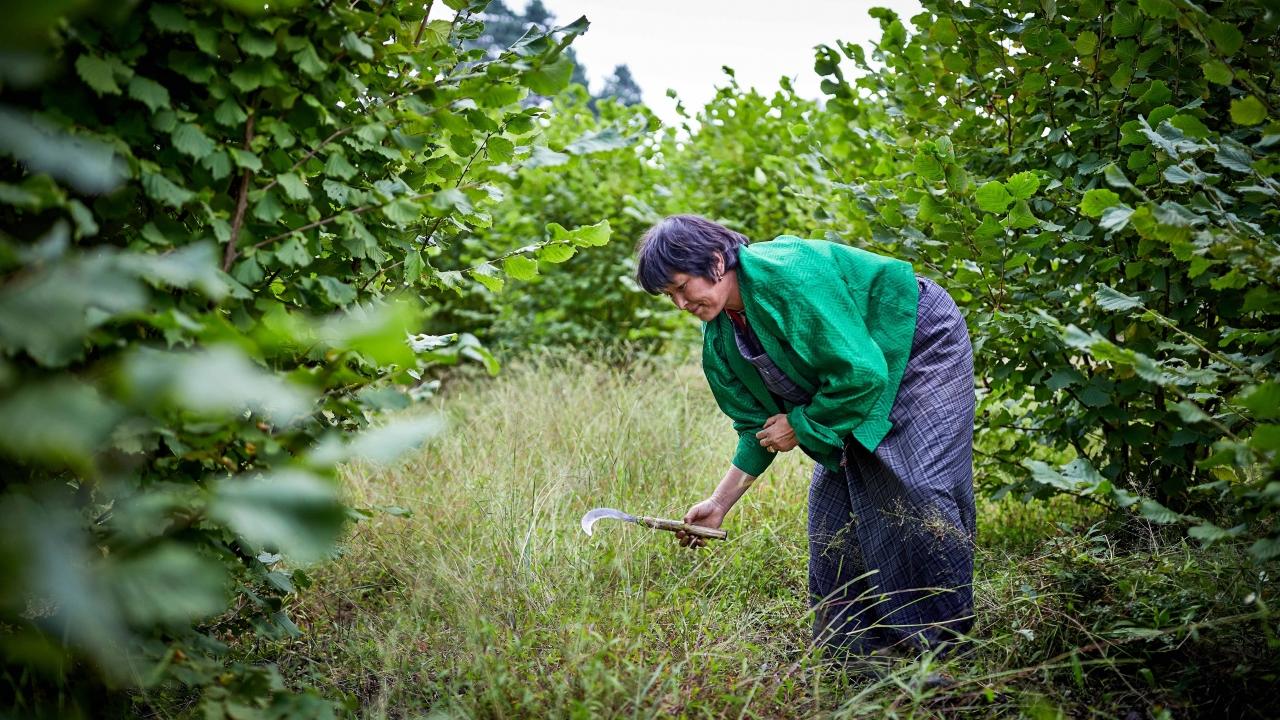
About 70 percent of Bhutan’s population lives in rural areas, with most depending on subsistence agriculture, with an average farm size of 1.7 hectares. With much of Bhutan too steep, too high or too cold to farm, only 8 percent of land is cultivable