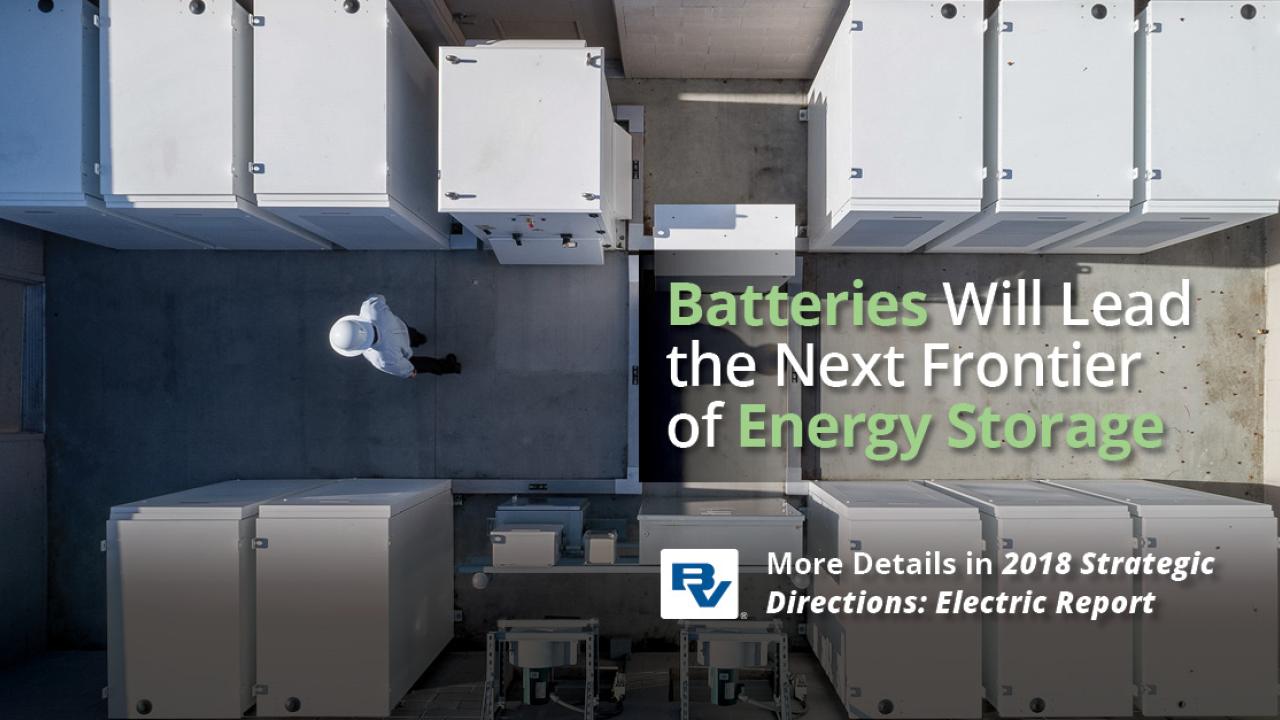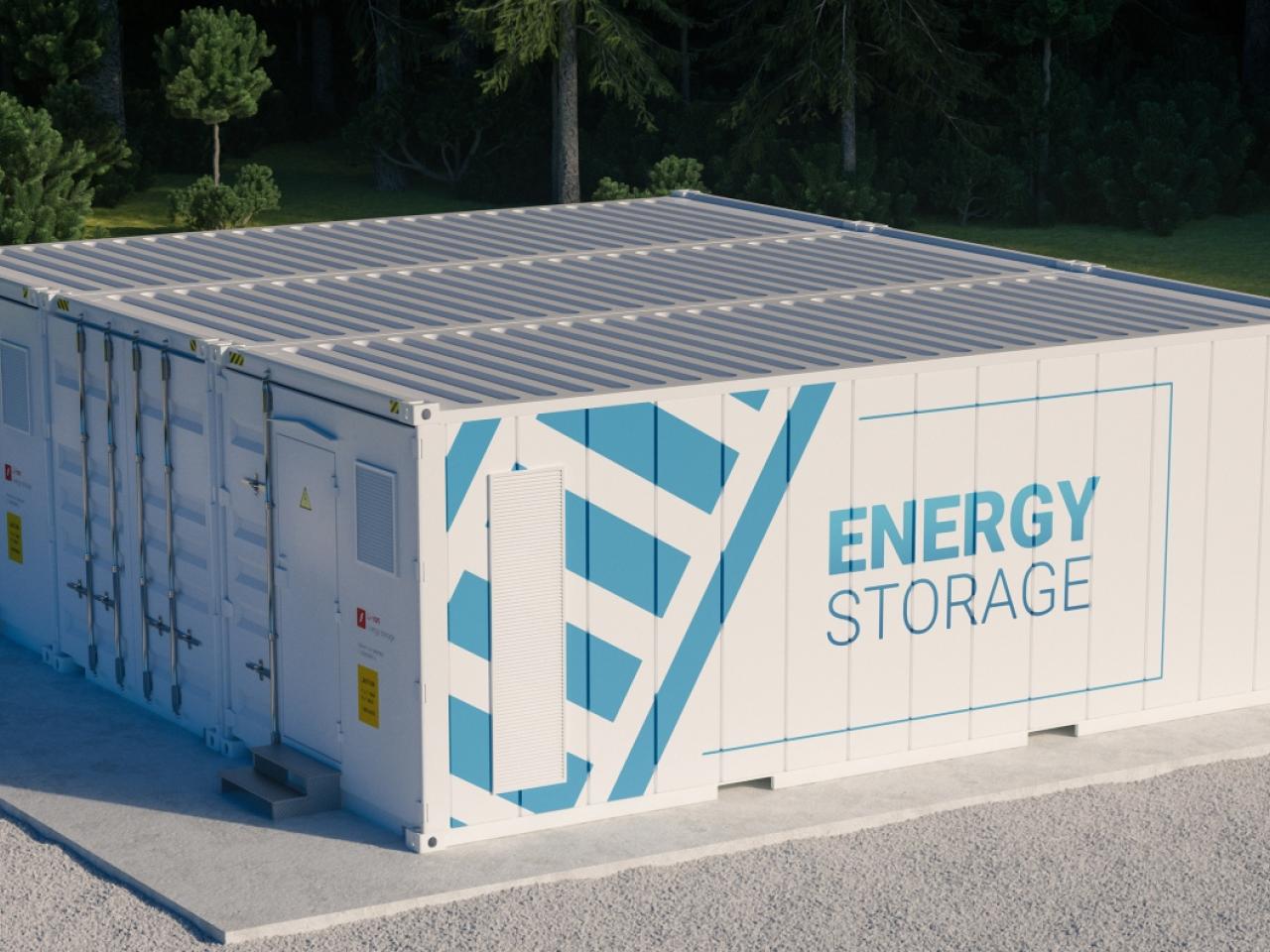
The global supply of stationary energy storage systems has expanded dramatically as the number of solar and wind farms increase – but ensuring the safe operation of larger systems is critical to their long-term success.
Increased climate variability and surging population growth are placing greater demands on limited resources such as water, energy, and physical space. Our teams are considering how buildings and infrastructure can be designed to more effectively cope with these stresses and perform well into the future. Facilities need to be built not only to operate in greater harmony with nature but also to withstand the forces it may unleash.
The role of data analytics is evolving. No longer just a way to measure and inform plant operators about established systems, data is now an end-to-end solution – guiding an organization across the entire infrastructure and asset lifecycle: Planning. Building. Operating.
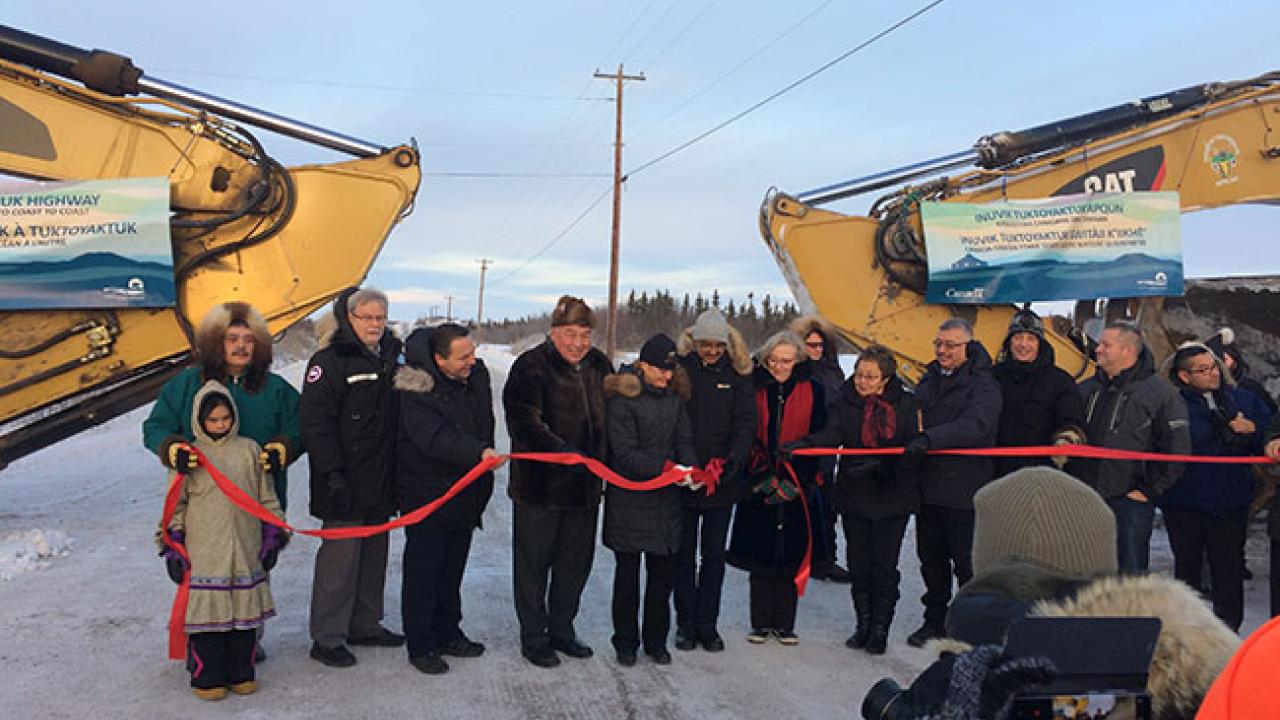
Tetra Tech was part of a team that planned and designed the award-winning Inuvik Tuktoyaktuk Highway (ITH) to connect communities along Canada’s Arctic Coast.
To effectively map out the current and future states of power delivery, it’s imperative to discuss what the landscape looked like in the past. Understanding the evolution of any industry typically requires a healthy dose of historical context, and making sense of today’s energy grid is no exception.
Organizations need resilience in the face of an increasingly broad and unpredictable risk landscape. This is especially true when it comes to energy and sustainability.
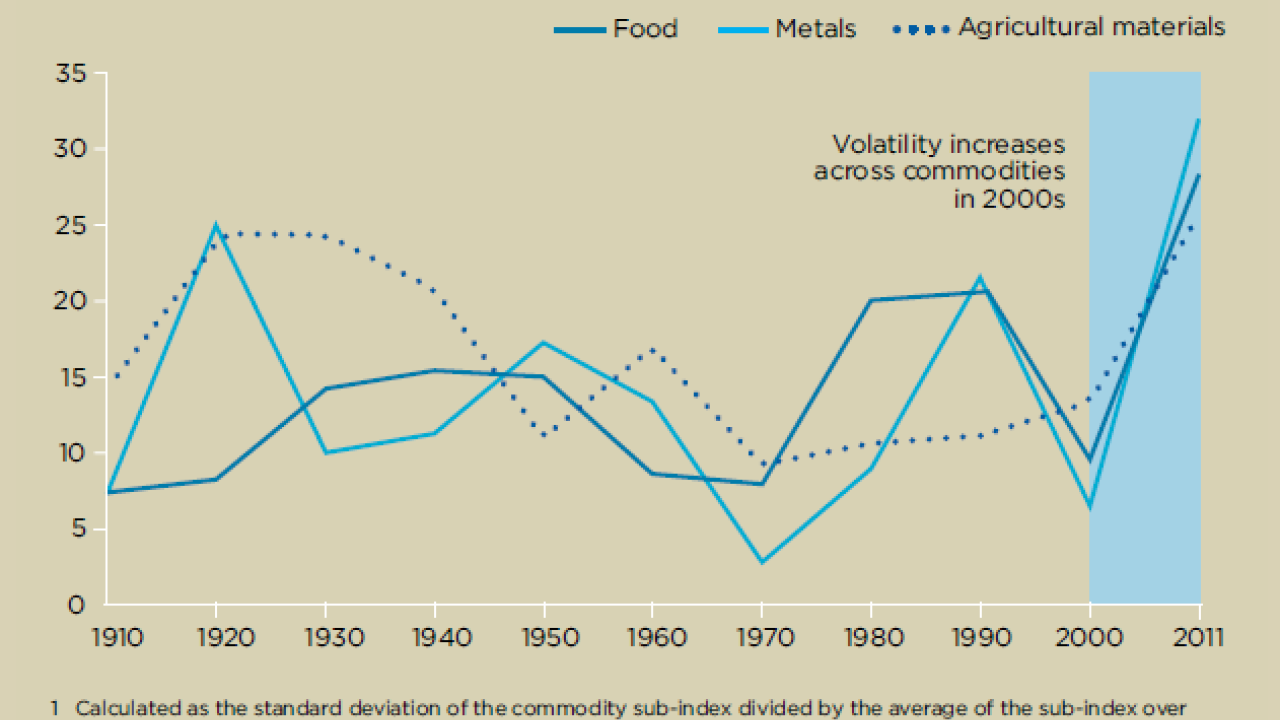
Investors and customers alike recognize the effects of climate change and other factors that increase volatility. And the pressure these and other groups are applying to drive change can no longer be ignored.
Bolstered by decreasing costs and strengthening regulatory support, demand for renewable energy is increasing as wind and solar photovoltaics continue to become more prominent contributors to utilities’ generation and revenue mix. As enthusiasm for renewable energy grows, wind and solar remain hampered by how much energy can be stored when generated to be used subsequently when energy is needed.
AEG embraces its responsibility to enrich the lives of people in the communities around the world where we do business, and to use business to create...
GoDaddy, the world’s largest domain name registrar, helps millions of entrepreneurs globally start, grow, and scale their businesses. People come to...
FedEx Cares is our global community engagement program and one way that we live out our purpose of connecting people and possibilities. Our goal is to...
Truist is committed to caring for communities when disasters strike. In 2020, Truist Financial Corporation announced its first Truist Cares initiative...
This category covers areas that aren't our signature charities. Main topics can include Homes For Our Troops as well as smaller charity organizations...
Our Prescription for a Better World framework is organized around three key pillars: building healthy communities (Health in Action), protecting the...