U.S. oil and gas companies, and their investors, are at risk of significant stranded assets because they are not adequately reflecting the impacts of the climate crisis and the clean energy transition in their financial reporting
A decades-long approach to sourcing renewable energy has produced lessons learned that helped GM further reduce its environmental footprint and save $80 million along the way.
Owen Smith, director, energy policy and strategy, Center for Energy Efficiency & Sustainability (CEES) at Ingersoll Rand (NYSE: IR), a world leader in creating comfortable, sustainable and efficient environments, shared insights at the 2016 Building Energy Summit in Washington, DC on March 16 to help building owners understand and maximize the benefits of smart buildings.
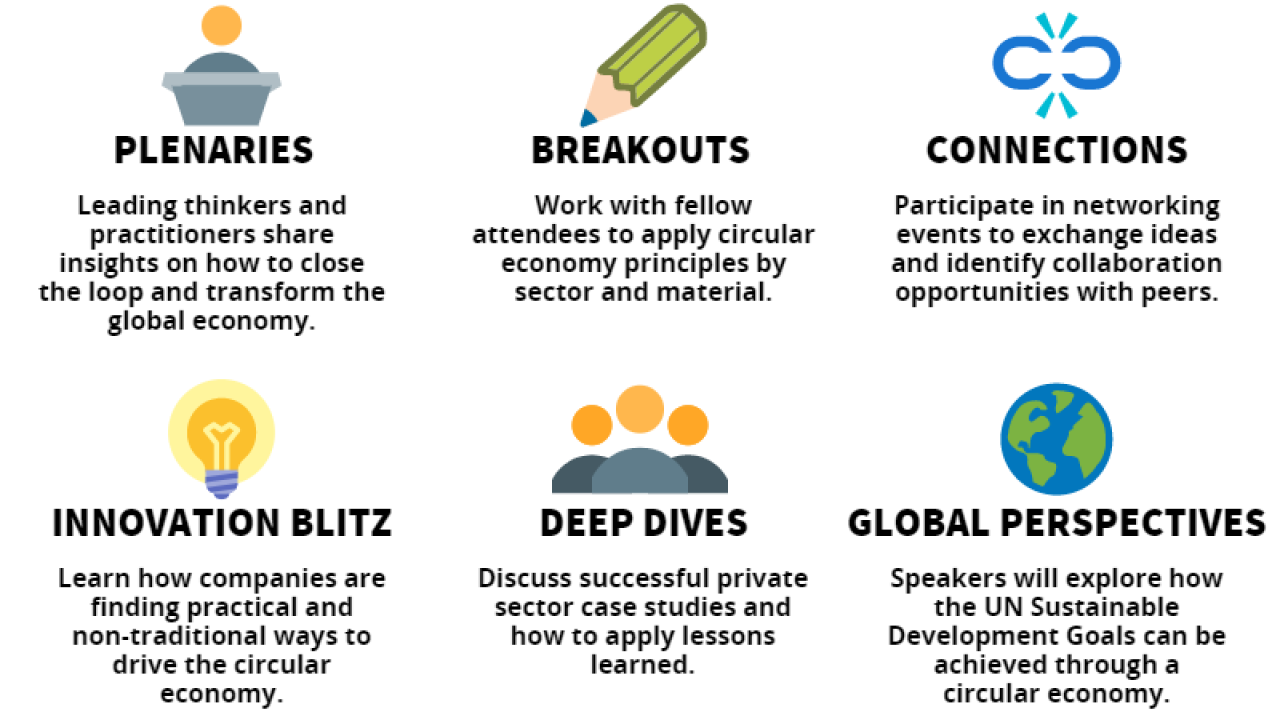
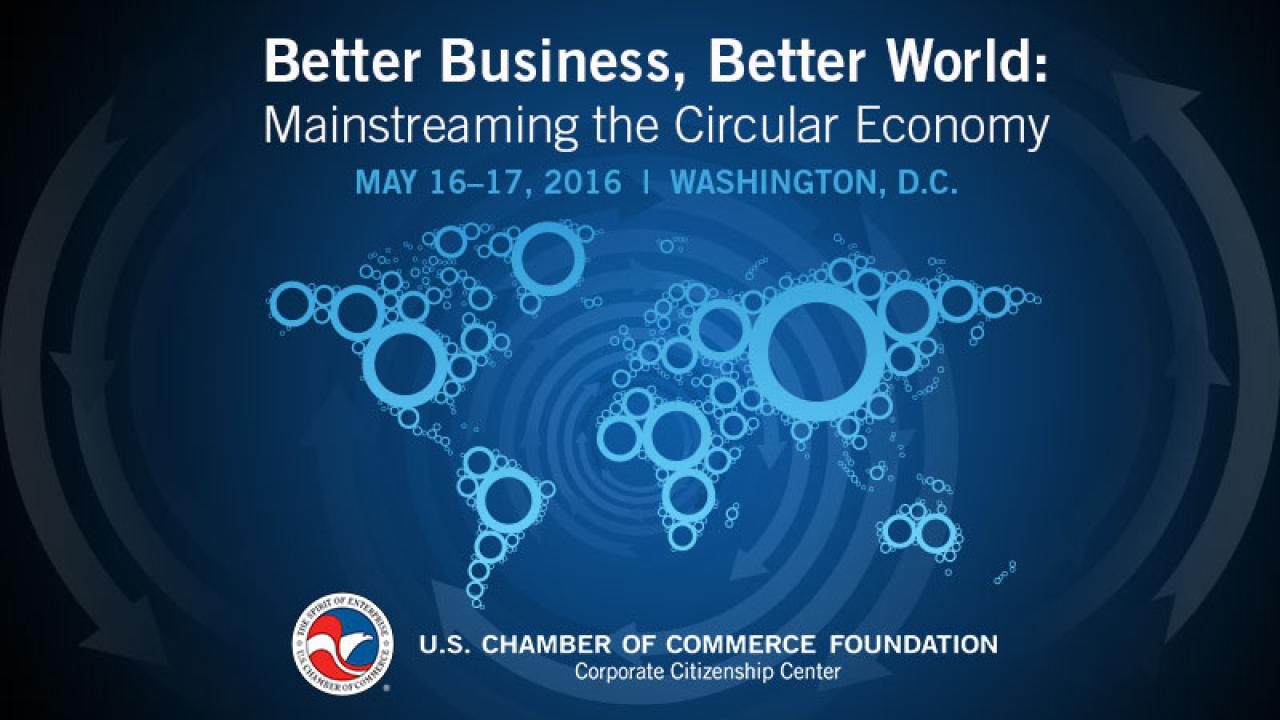
On May 16-17, the U.S. Chamber Foundation, in partnership with the Ellen MacArthur Foundation an PYXERA Global, will host the 2016 Sustainability Forum, Better Business, Better World: Mainstreaming the Circular Economy in Washington, DC.
This is the fourth in a continuing blog series based on insights and findings from the Sodexo 2016 Workplace Trends Report. The Report examines nine key trends affecting business outcomes and the quality of life of employees and consumers. To learn more, access the full article: Smart Energy Management: A Win for the Environment, People and Business
On client detected a drop in pressure on their pipeline in Wisconsin. Approximately 1,302 barrels (54,684 gallons) of gasoline were released as a result of a pipeline seam failure. The spill was discovered in an area of farms, large homes and sub-divisions with over 200 potable wells within a one mile radius of the spill. Our client required immediate and large scale emergency response services and environmental support.
A flagship production facility faces significant water limitations poised to impact production and growth targets. The facility is currently the largest water user in the community and has plans to expand capacity. The total cost of water is increasing rapidly. In addition, water availability and allocation is also a contentious social issue. The company faces various water allocation scenarios, including the implications of compounding events such as severe droughts.
Thanks to Big Data, also known as the Internet of things, facilities management professionals can go beyond just monitoring temperature and air quality in a building. They can go as deep as monitoring keystrokes to report on productivity or analyzing vocal patterns in customer telephone interactions. The ability to collect data is nearly endless.
The 2016 Workplace Trends Report, which examines key trends impacting business, points out that while companies have the ability to closely monitor and track employees, they also need to be very transparent about what data is being collected and how it will be used to improve the company and its results, or it risks just creeping out their employees. Big Data must be coupled with Big Judgment to bring desired results.
The Land Institute is offering a $1000 prize for the best submission that addresses their specific design brief in the Biomimicry Global Design Challenge
As the countdown to World Wildlife Fund’s Earth Hour begins, individuals, businesses, cities and landmarks from around the globe prepare to switch off their lights for one hour to draw attention to the urgent need to address climate change.
Cascale shares updates on its strategic partnerships with industry stakeholders geared toward shifting the industry into one that gives back more than...
Cascale shares insights regarding policy and regulation impacting the consumer goods industry, and highlights how it's supporting members prepare for...
The SCS Kingfisher certification mark is showing up on an increasing number of products around the world. It differentiates companies that are making...
Highlighting the top news, commentary, and research for the week coming from SHQ. The highlights newsletter also spotlights one profiled organization...