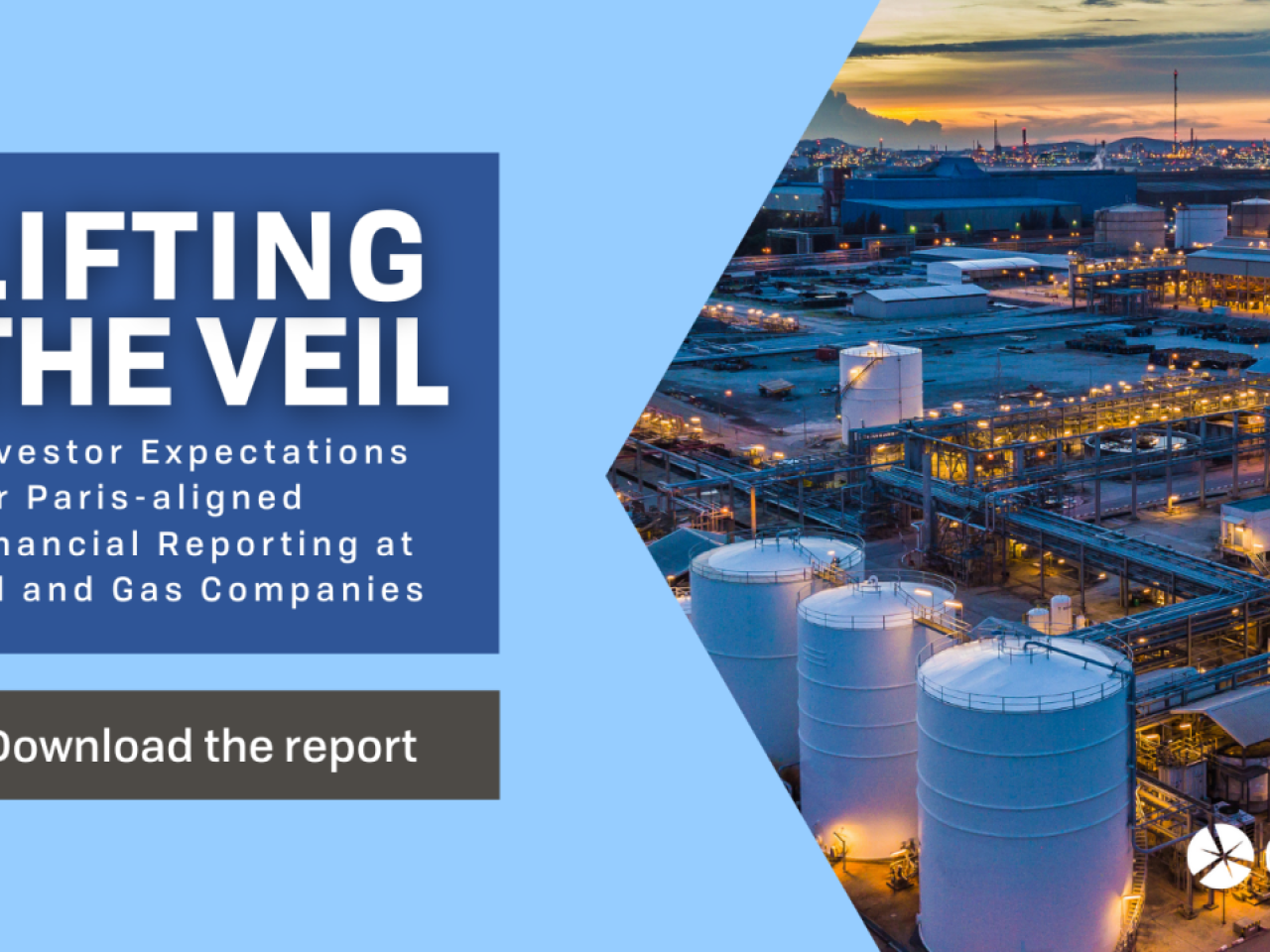
U.S. oil and gas companies, and their investors, are at risk of significant stranded assets because they are not adequately reflecting the impacts of the climate crisis and the clean energy transition in their financial reporting
The Chevrolet Bolt EV just received an EPA-estimated range rating of 238 miles per charge. And GM just committed to meet its entire electricity needs at all of its global operations using renewable energy by 2050.
For the third year in a row – TD has been included in the Dow Jones Sustainability (DJSI) World Index which reflects the top 10 percent of leading companies worldwide. Out of 193 banks, TD was the only Canadian Bank to be included in the short list of 27 banks.
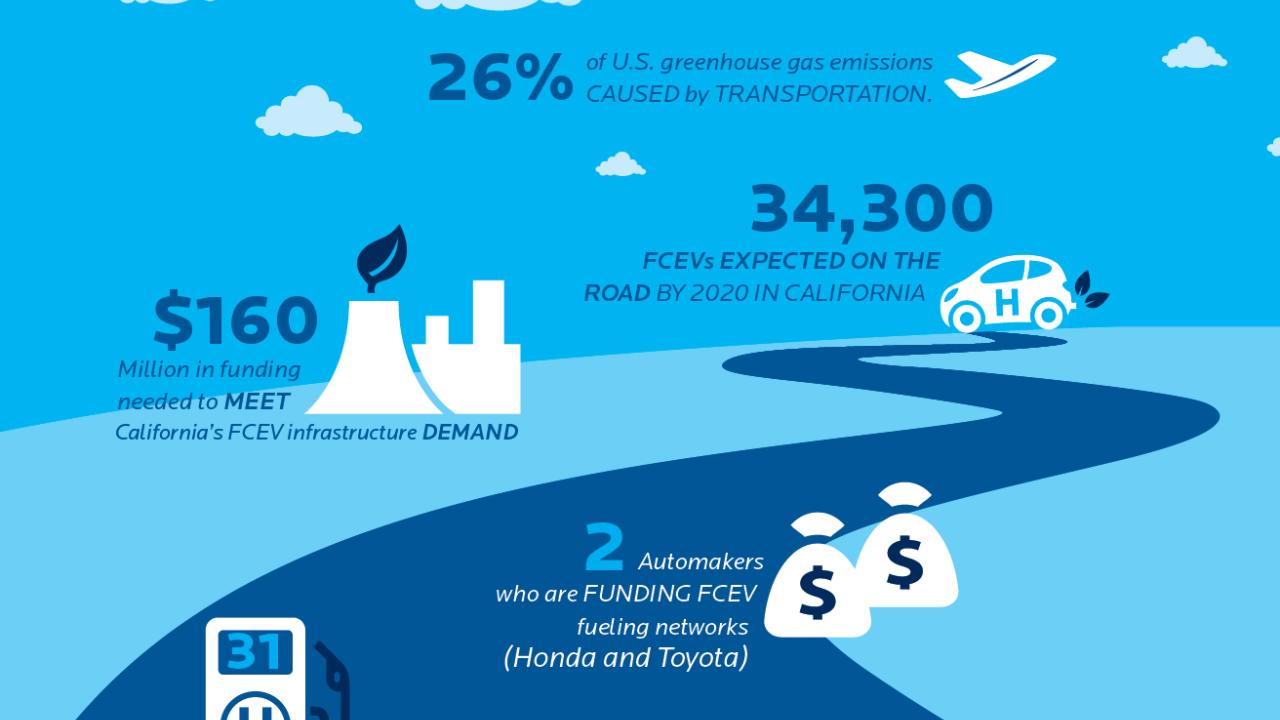
A new white paper from Black & Veatch’s Smart Integrated Infrastructure (SII) business examines the current hydrogen fueling infrastructure in the U.S. and challenges that complicate development. Costs, financing, siting, policies and safety education are cited as the keys, and sometimes barriers, to greater fueling station deployment.
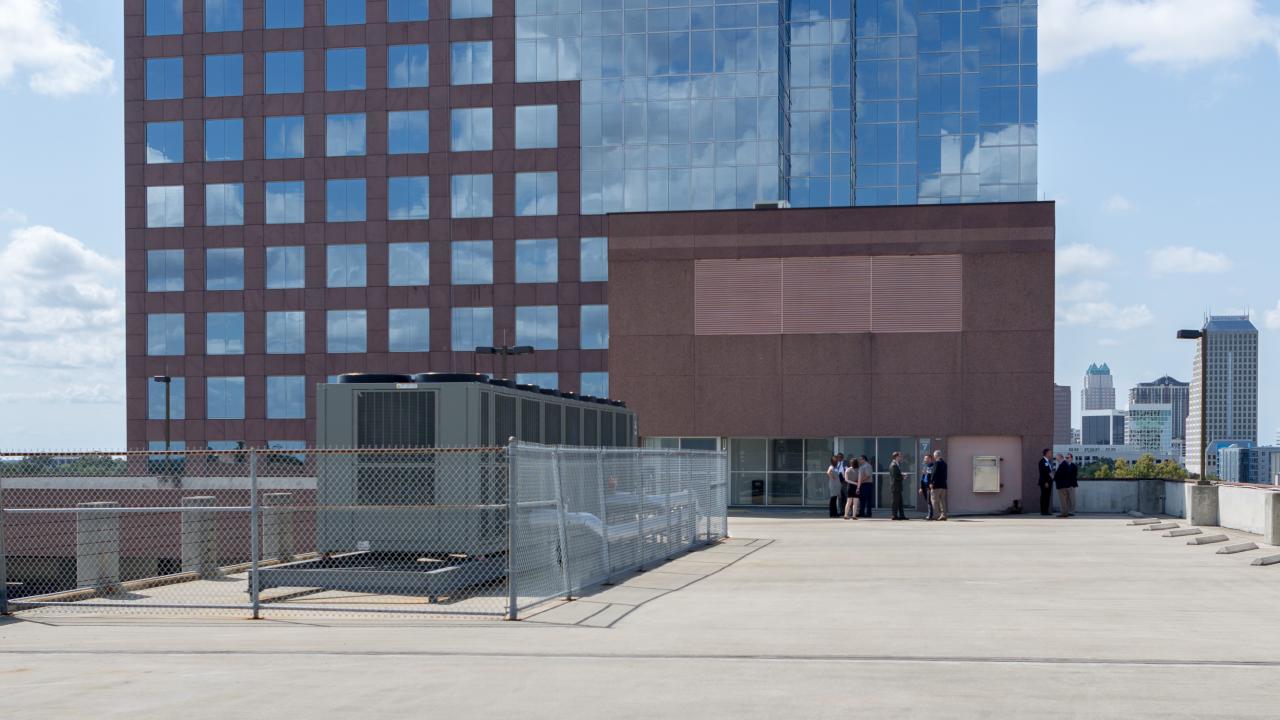
Trane presented its Energy Efficiency Leader Award to Parkway Properties, Inc., in recognition of the group's approach to improvements at One Orlando Centre, a 19-story, 365,000-square-foot, LEED-certified office building in Orlando, FL.
Set out in the UK Energy Act 2013, the Capacity Market (CM) is one of the UK government initatives for ensuring security of electrical energy supply for homes, businesses and industry. The CM not only secures additional electricity supply for use during grid stress events – which is increasingly important as energy demand increases, and the UK moves to more intermittent, less flexible renewable generation – but also creates an opportunity for those with generation capacity to earn additional income.
Ingersoll Rand has been named to the 2016 Dow Jones Sustainability World and North America Indices for a sixth consecutive year. Continued placement on this index series showcases the company’s position as an economic, environmental and social leader among peer companies.
There is a growing recognition among businesses and consumers that we must move away from a linear “take, make, waste” model of consumption where we extract materials, produce things and discard products to landfills. We are now embracing circular economy models, which by design are restorative and regenerative. Done properly, the final result is a system in which material streams are efficiently managed and recycled.
Paper is inherently circular by nature – made with renewable resources with high levels of renewable energy and is recyclable. And Sappi takes additional measure to further reduce impact at its operations.
Cascale shares updates on its strategic partnerships with industry stakeholders geared toward shifting the industry into one that gives back more than...
Cascale shares insights regarding policy and regulation impacting the consumer goods industry, and highlights how it's supporting members prepare for...