Corporate Responsibility

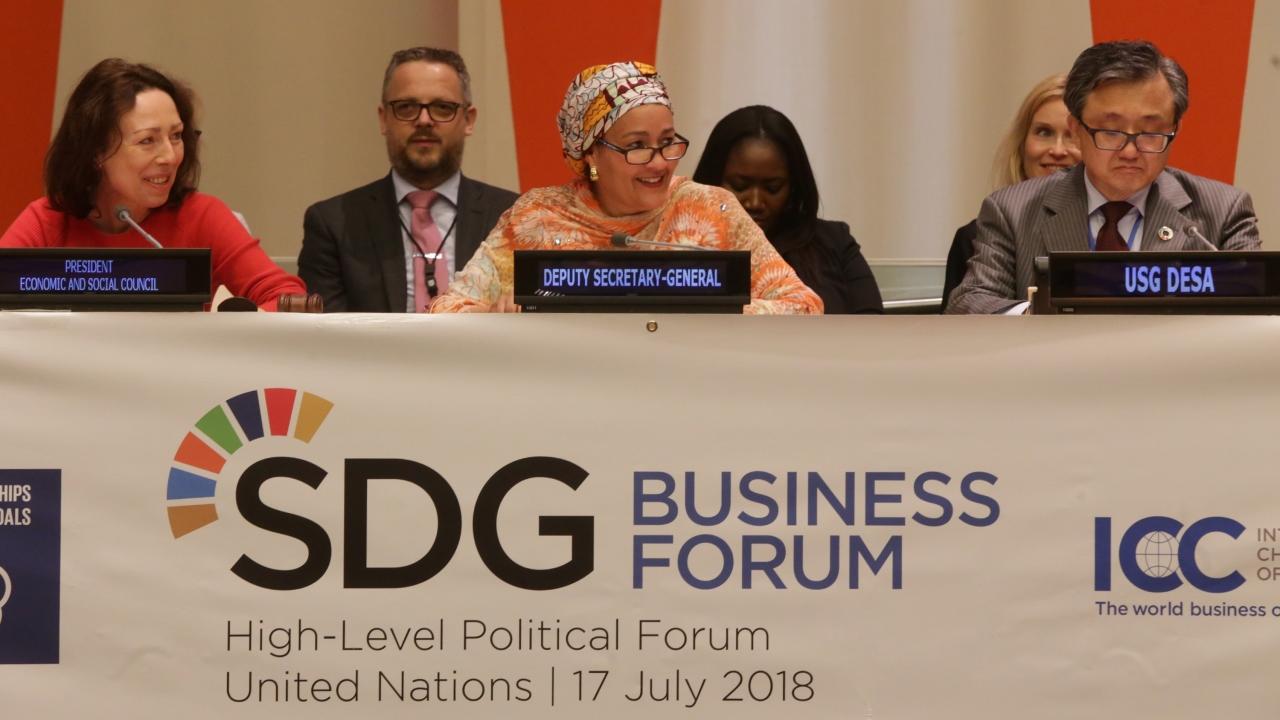
SDG Business Forum Urged to Do Business Responsibly and Accelerate Sustainable Development

Enthusiasm, renewed energy and a positive approach was top of mind as leaders from business, Governments, civil society and the United Nations met at the third annual SDG Business Forum to set a new direction to meet the Sustainable Development Goals (SDGs) by 2030. The event was held as part of the High-level Political Forum on Sustainable Development (HLPF) at the United Nations in New York — the annual platform for reviewing progress and guiding global efforts for the 2030 Agenda.

Corporate Responsibility

Ahead of SDG Business Forum, UN Global Compact Urges Private Sector to Fuel Acceleration of Sustainable Development at National Level

The United Nations Global Compact — together with its partners ICC and UN DESA — will next week (on 17 July) host more than 600 representatives from the private sector, civil society, Governments and the UN at the third annual SDG Business Forum. Held as part of the UN High-level Political Forum (HLPF) on Sustainable Development, the SDG Business Forum provides a unique platform for business to interact with key stakeholders, share their perspectives and showcase their efforts in support of the 2030 Agenda.

Energy & Infrastructure

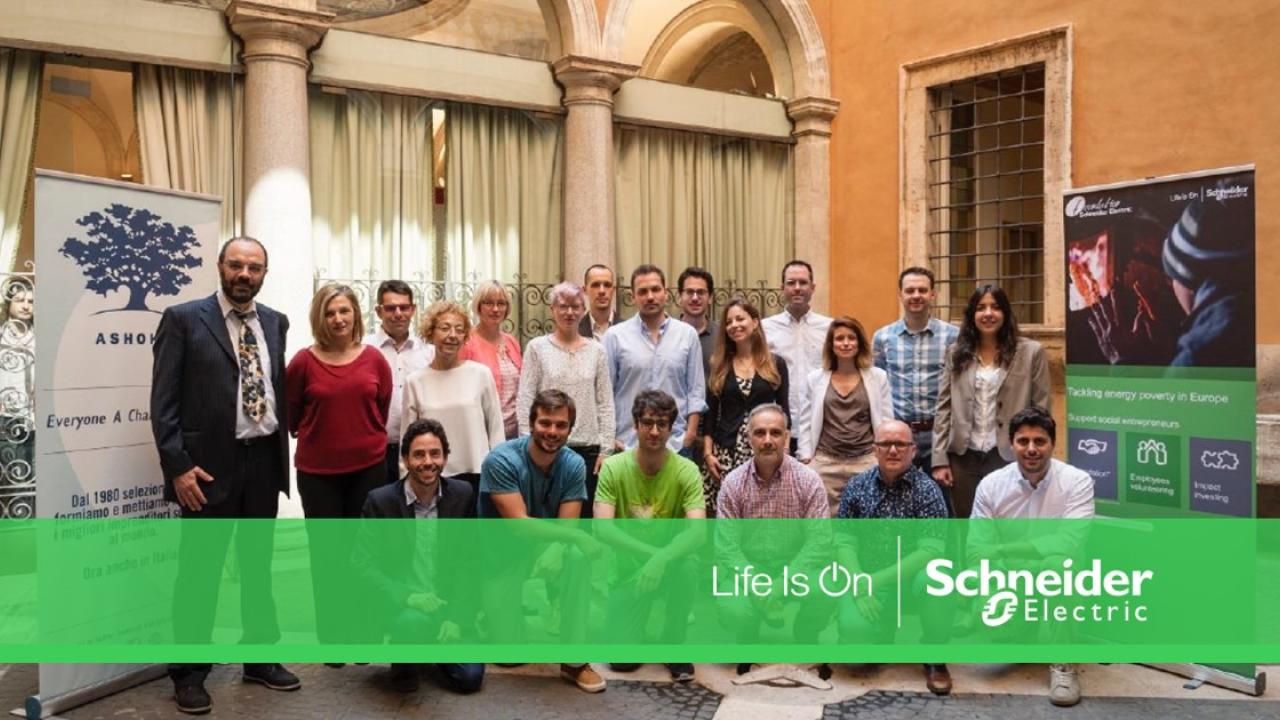
Tackling Fuel Poverty with Innovative Solutions

Ashoka and the Schneider Electric Foundation, in partnership with Enel, recently awarded the 5 most innovative solutions to tackle fuel poverty and promote energy sustainability in Europe.

Awards & Rankings

Schneider Electric Named 2018 ENERGY STAR Partner of the Year

We are excited to announce that Schneider Electric was recognized as a 2018 ENERGY STAR Partner of the Year. This designation is largely the result of our efforts to improve clients’ energy efficiency and sustainability in commercial, manufacturing and public-sector buildings.

Corporate Responsibility

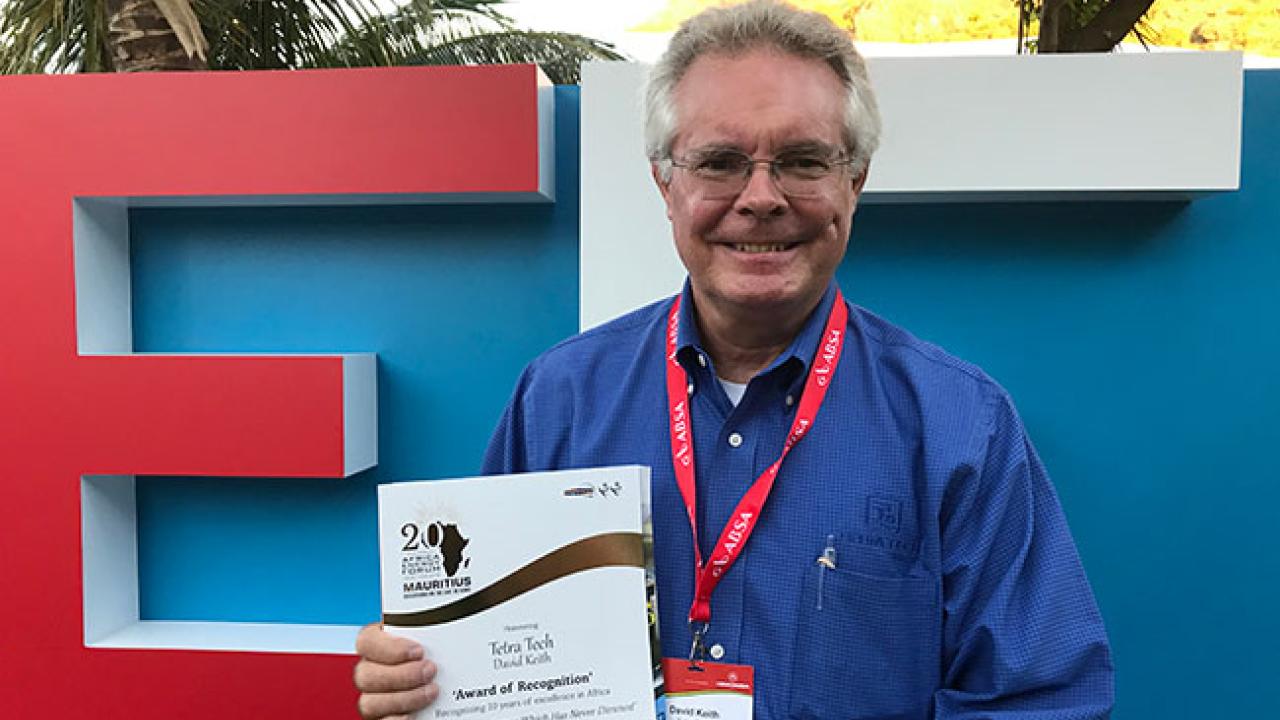
Expert Interview With David Keith, African Energy Sector Expert

David Keith is a senior vice president with Tetra Tech International Development Services. He has worked on international development engagements in the energy sectors of more than 40 countries in Africa, Europe, Asia, and the Caribbean. He has been retained as a technical expert on national energy strategy, energy sector restructuring, public-private partnerships, electricity company management, electricity tariff design, power sector planning, project financing, and industrial energy management. David has worked on energy projects in South Africa, Malawi, Uganda, Ghana, Benin, Tanzania, and for the West Africa Power Pool. He has participated in more than a dozen Africa Energy Forums (AEFs). He earned three degrees from the Georgia Institute of Technology, including a Master of Science in
Corporate Responsibility

Benevity Launches “Missions,” a Purpose-Driven Employee Engagement Solution

Today, Benevity announced the launch of its latest innovation: Missions, a new module for its award-winning cloud solution that lets companies engage employees in positive actions to do more good, helping create purpose-driven corporate cultures and increase their social impact. Missions empowers employees to adopt new prosocial behaviors through gamified and easy-to-complete activities, which can be tracked, measured and optionally rewarded through the software.

Energy & Infrastructure

VIDEO | Sustainability and Circular Economy Everywhere at Schneider Electric

With more than 168,000 tons of C02 already avoided through maintenance, retrofit and end-of-life services, Schneider Electric is deeply committed to UN’s SDG 12 efforts. The company’s services help to return equipment to its optimum performance thus extending its lifespan.

Energy & Infrastructure

Gas: A Tried and True Solution to Accessing Energy in Developing Countries

History shows that the introduction or increased supply of gas as an alternative energy source has a transformative impact on economies.

Besides power generation, gas can be used for transport, industrial applications, mineral beneficiation, and production of liquid fuels and fertilizer. The construction schedule of a combined cycle gas turbine (CCGT) plant is approximately 30 to 36 months, with open cycle capability often being available after roughly 20 months. The feasibility, licensing, and financial close process of these projects can take 2 to 5 years. In the interim, many other users would be able to use the gas if it was available. The markets for liquid fuel products in Africa make up roughly 40 percent of the total energy consumption and are projected to hold steady for the near

Latest Campaigns

Collaboration and Partnership

Cascale shares updates on its strategic partnerships with industry stakeholders geared toward shifting the industry into one that gives back more than...

Sustainability by Antea Group

At Antea Group, we believe the best sustainability programs integrate sustainability into core business practices, we identify and act on relevant...

Kingfisher Around the World

The SCS Kingfisher certification mark is showing up on an increasing number of products around the world. It differentiates companies that are making...

AEG's Commitment to Social Impact and Volunteerism

AEG embraces its responsibility to enrich the lives of people in the communities around the world where we do business, and to use business to create...

Awards and Recognition

This captures all of Action Against Hunger's awards and recognition.

Covia 2025 Corporate Responsibility Report

The report reflects a year focused on strengthening the company’s foundation. Throughout 2025, Covia remained focused on protecting its people...

Policy and Advocacy

Policy and Advocacy content from IWBI - International Well Building Institute

Biomimicry and Ray of Hope Accelerator

The Ray C. Anderson Foundation has partnered with the Biomimicry Institute to create the Ray of Hope Accelerator, designed to bring commercially...

The Ray

News and information about The Ray, Georgia's restorative, sustainable highway of the future.

Sustainable Operations

ops-related sustainability content (e.g., new electric equipment, decarb efforts, etc.)