In collaboration with key stakeholders, we work to ensure our science advances health care, and our products are accessible and affordable to those in need.
Videos from Client
Responsible Business & Employee Engagement
| Merck & Co., Inc.
Alaska is a vast state with extremes in weather and terrain. For people living in its 240 remote villages and communities, obtaining lifesaving medicines can be a challenge. And extreme challenges call for innovative solutions.
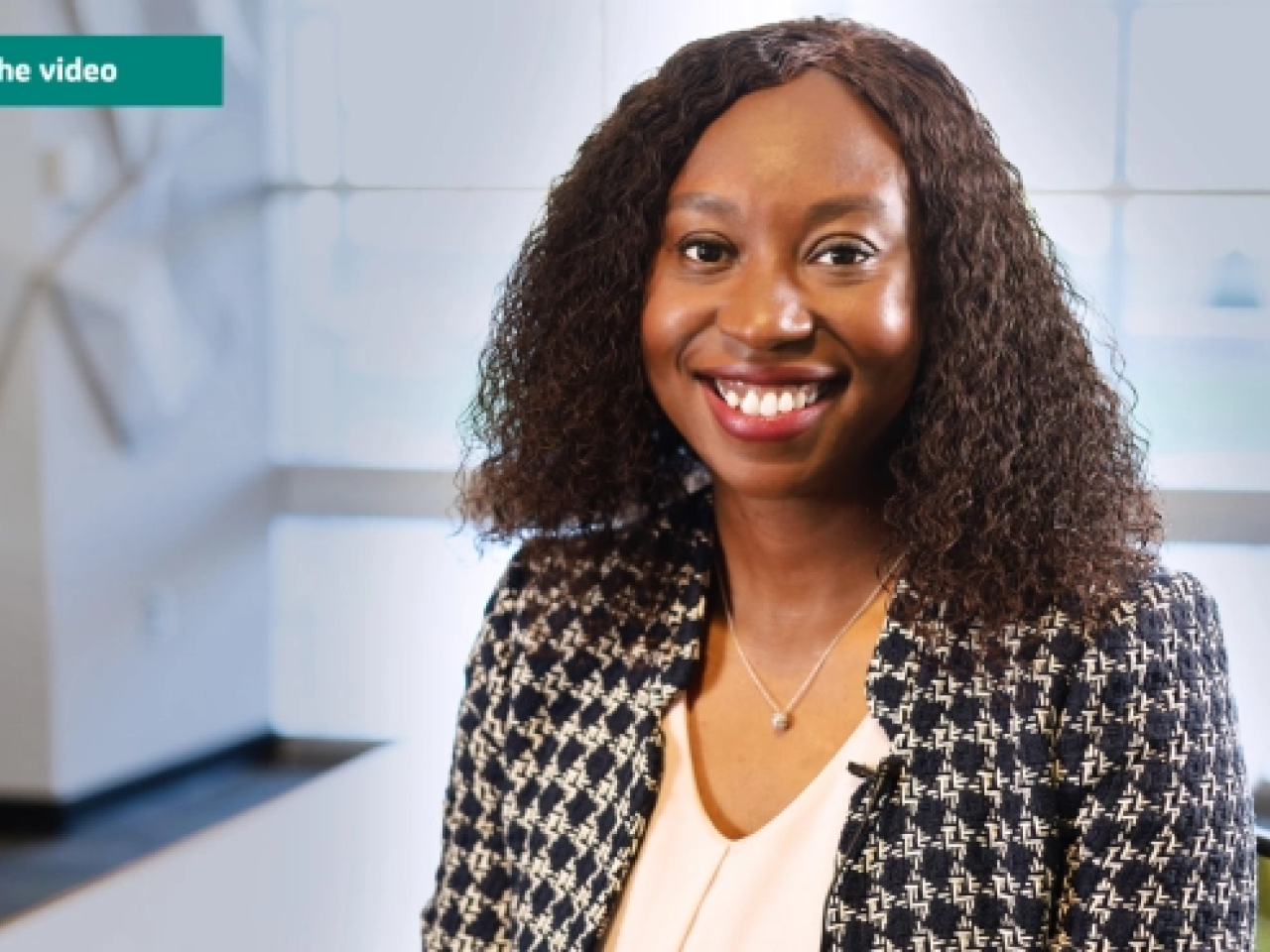
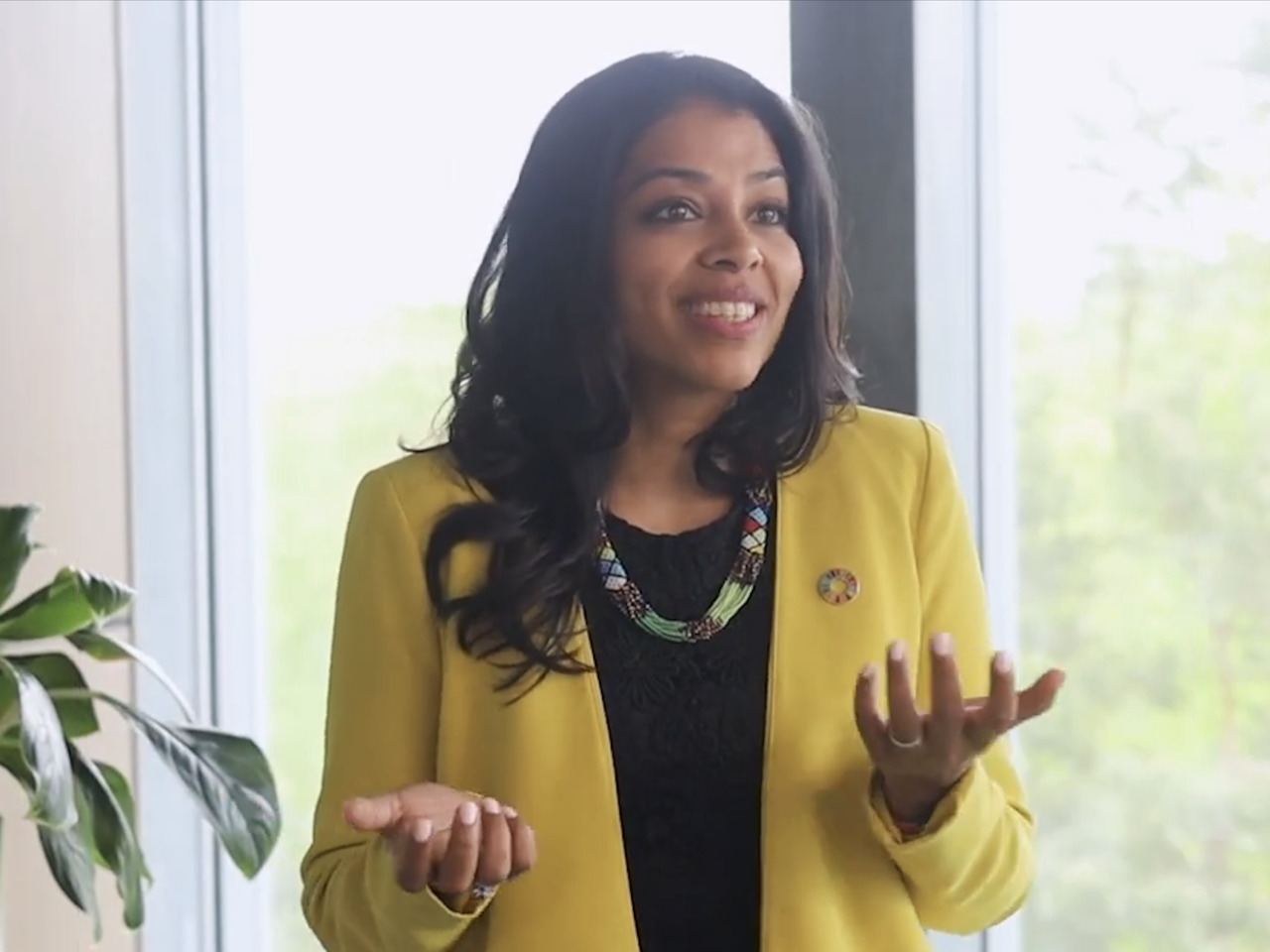
Josette Gbemudu is motivated to ensure everyone has the chance to be as healthy as possible. As an executive director of health equity and social determinants of health for Merck, Gbemudu draws on her health policy and public health backgrounds.
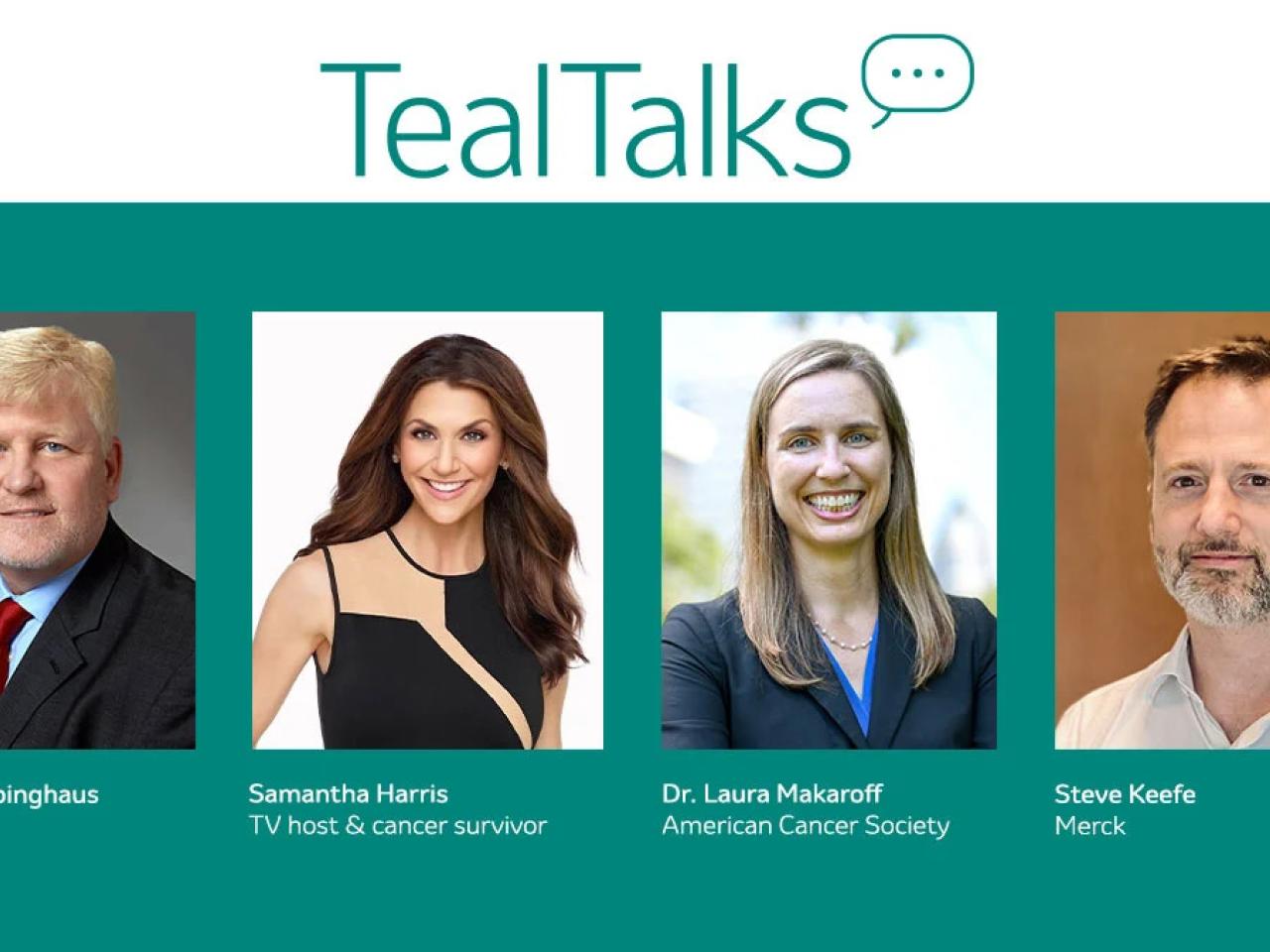
In episode 5 of Teal Talks, Harris sits down with Dr. Laura Makaroff, SVP, prevention and early detection, American Cancer Society, and Merck’s Dr. Scot Ebbinghaus, and Steve Keefe, AVP, to discuss cancer prevention and advances in screening.
Responsible Business & Employee Engagement
| Merck & Co., Inc.
Taking on COVID-19 isn’t just a team effort — it’s also a global one. Here at Merck, we’re grateful to all the people who have worked hard to keep us safe, along with everyone around the world helping to combat the pandemic.
To help reduce maternal deaths and narrow disparities in the U.S., Merck for Mothers – Merck’s $500 million global health initiative – launched Safer Childbirth Cities. Through Safer Childbirth Cities, Merck for Mothers is providing...
Our company provides support to many women’s health initiatives around the world. Through Merck for Mothers, we support programs that reduce maternal mortality and improve access to quality health care for women. In addition, through our Merck Fellowship program, employees share their unique skills to advance health care around the world.

“Reverse” is a short film that tells the story of a young daughter and the many challenges she faces on her journey to motherhood. Despite good parenting, good education, and a good job, surviving giving birth is far from a given.
When a young Zambian mother, Zimthambo Musianga, felt the onset of labor, she went into the hills to find an ox cart to take her to the hospital. But with the nearest clinic miles away from her remote village in the rural district of Lundazi, the ox cart wasn’t going to get her there in time. After being bumped along a dirt road over rough terrain, she had no choice but to give birth right there in the cart.
Every pregnant or recently pregnant woman is at risk of an infection that could trigger maternal sepsis. Sepsis is a life-threatening condition that occurs when the body’s response to infection causes injury to its own tissues and organs. Despite it being one of the main causes of maternal death and leading to about 35,000 deaths every year, the true burden of maternal sepsis is presently unknown, due to a lack of data.
Ferring Pharmaceuticals and Merck, known as MSD outside the United States and Canada, through its Merck for Mothers initiative, today announced the completion of CHAMPION (Carbetocin Haemorrhage Prevention), a global clinical trial conducted by the Human Reproduction Program (HRP) at the World Health Organization (WHO).
The MSD for Mothers team recently returned from the World Economic Forum annual meeting in Davos, where we joined leaders from business, government, civil society and academia in discussions around the theme, “Creating a Shared Future in a Fractured World.” In keeping with the focus on the global economy, MSD for Mothers and our partners made the business case for investing in maternal health, argued for greater private sector involvement in innovative financing for development, and advocated for more research on the experiences of women and girls to guide more equitable decisions about allocating resources.
It has been inspiring to see the international community embrace the United Nations’ Sustainable Development Goals (SDG). Even more encouraging are the growing recognition of the critical role the private sector has to play, and the push for meaningful public-private partnerships (PPPs), in order to reach these goals.
Achieving the UN’s Sustainable Development Goals (SDGs) by 2030 will require new tools, financing mechanisms and partnerships to fill the estimated $3 trillion investment gap. Development Impact Bonds (DIBs) are an emerging area of innovative financing to achieve social and development outcomes by bringing together private investors, implementers, governments and donors to pave the way for a more-results oriented and sustainable approach to supporting health and economic prosperity, especially in growing markets. The risk of failure is shifted to investors, allowing governments and other donors to spend resources more effectively.
Maternal mortality is a growing issue in the United States. I started the Tara Hansen Foundation in 2012 to raise awareness for mothers and families, and to let more people know that care for mothers after childbirth is just as important as care for the newborn baby.
As 2017 draws to a close, we wanted to reflect and celebrate the progress we've made – alongside our partners and maternal health champions – toward creating a world where no woman dies while giving life. We can end preventable maternal deaths in our lifetime, but we can't do it alone. We want to thank all who have supported our initiative this year, from championing quality health for mothers across the globe, to partnering together to find inventive solutions to move the needle on this global challenge.
In collaboration with key stakeholders, we work to ensure our science advances health care, and our products are accessible and affordable to those in...