In collaboration with key stakeholders, we work to ensure our science advances health care, and our products are accessible and affordable to those in need.
Videos from Client
Responsible Business & Employee Engagement
| Merck & Co., Inc.
Alaska is a vast state with extremes in weather and terrain. For people living in its 240 remote villages and communities, obtaining lifesaving medicines can be a challenge. And extreme challenges call for innovative solutions.
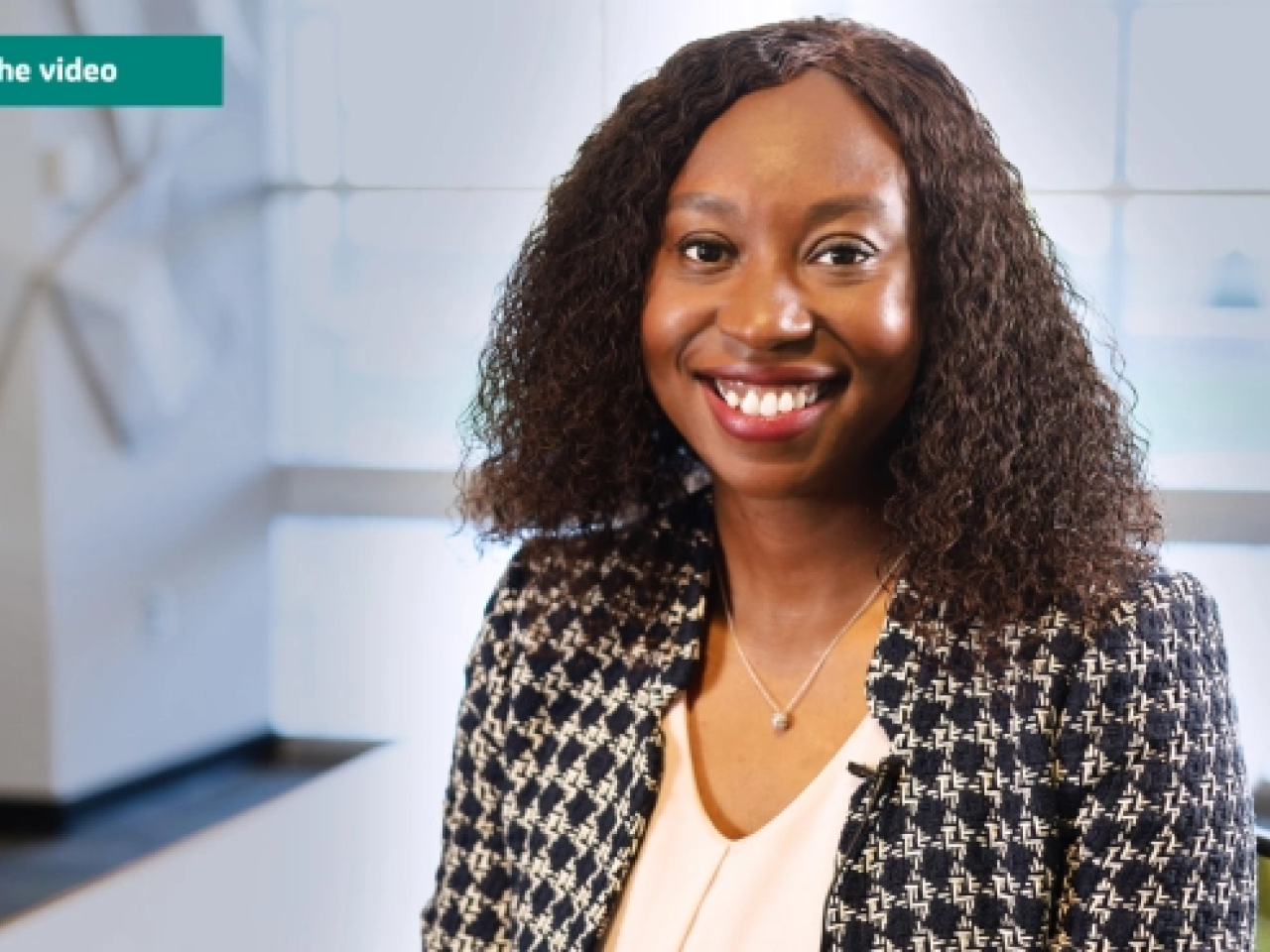
Josette Gbemudu is motivated to ensure everyone has the chance to be as healthy as possible. As an executive director of health equity and social determinants of health for Merck, Gbemudu draws on her health policy and public health backgrounds.
In episode 5 of Teal Talks, Harris sits down with Dr. Laura Makaroff, SVP, prevention and early detection, American Cancer Society, and Merck’s Dr. Scot Ebbinghaus, and Steve Keefe, AVP, to discuss cancer prevention and advances in screening.
Responsible Business & Employee Engagement
| Merck & Co., Inc.
Taking on COVID-19 isn’t just a team effort — it’s also a global one. Here at Merck, we’re grateful to all the people who have worked hard to keep us safe, along with everyone around the world helping to combat the pandemic.
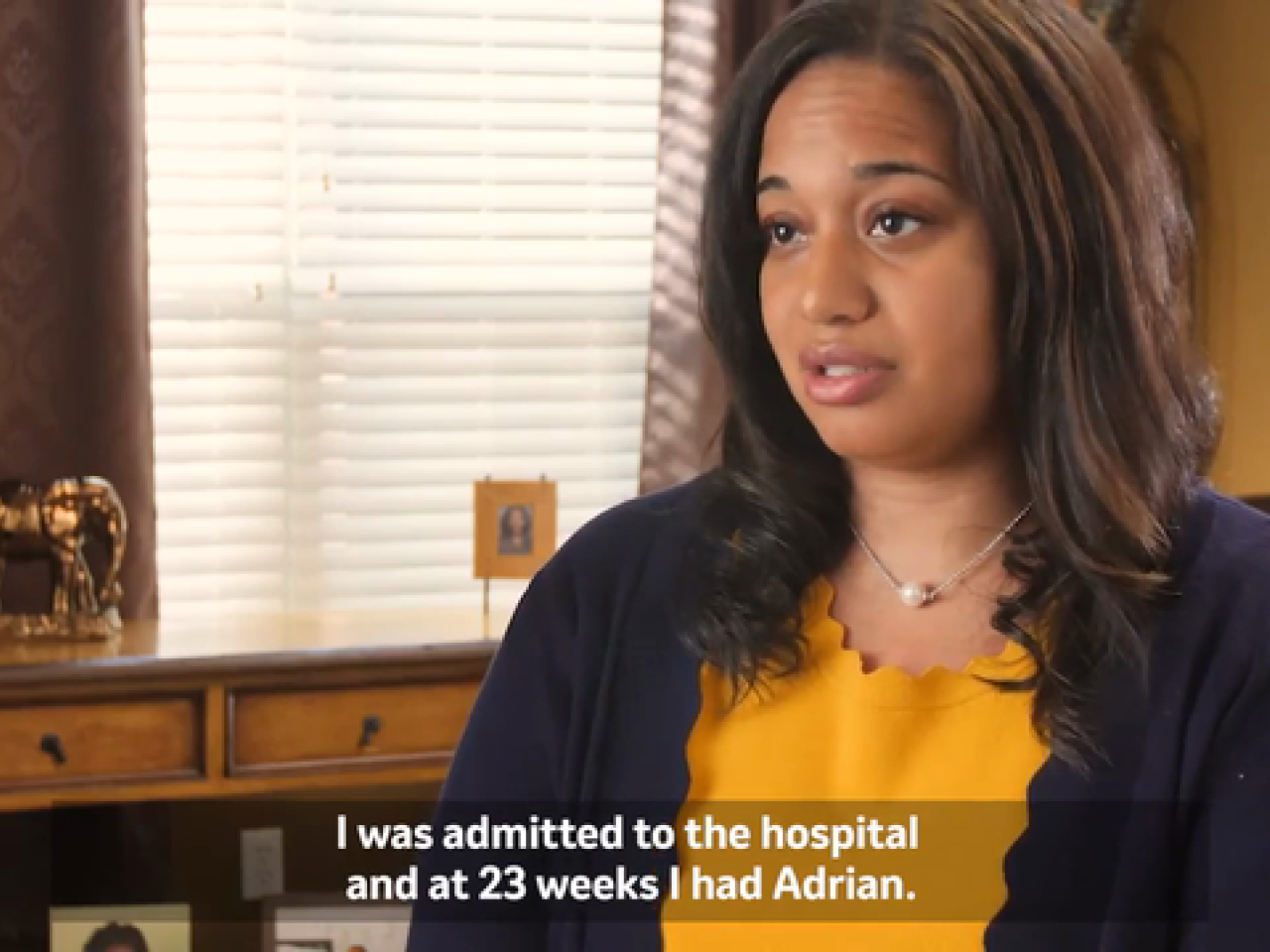
To help reduce maternal deaths and narrow disparities in the U.S., Merck for Mothers – Merck’s $500 million global health initiative – launched Safer Childbirth Cities. Through Safer Childbirth Cities, Merck for Mothers is providing...
Our company provides support to many women’s health initiatives around the world. Through Merck for Mothers, we support programs that reduce maternal mortality and improve access to quality health care for women. In addition, through our Merck Fellowship program, employees share their unique skills to advance health care around the world.

“Reverse” is a short film that tells the story of a young daughter and the many challenges she faces on her journey to motherhood. Despite good parenting, good education, and a good job, surviving giving birth is far from a given.
The recently launched What Women Want campaign is especially motivating given its potential to transform accountability for reproductive and maternal health at the global and national levels.
Study results announced on an investigational heat-stable formulation of carbetocin for the prevention of excessive bleeding after childbirth, also known as postpartum haemorrhage (PPH). The results demonstrated that heat-stable carbetocin is clinically non-inferior to the standard of care, oxytocin, for the primary outcome of ≥500 ml blood loss or additional uterotonic use.1 Non-inferiority was not demonstrated for the second primary outcome of blood loss of ≥1,000 ml or more
As an obstetrician, my job is to focus on moms and babies. But one of my favorite parts of childbirth is the look on a new dad’s face at the precise moment he sees his baby for the first time. The physical connection between moms and babies begins sooner and more gradually than it does for dads. Moms feel their babies growing and wriggling months before they get to actually see them. For dads, the first physical connection is visual. Fatherhood goes from being abstract to very real in an instant. And that look is everything.
At Merck for Mothers, we believe that actionable research is essential for taking on maternal mortality. On behalf of our team and many partners, we are pleased to share Evidence for Impact, our first Research Compendium. The publications included in this compendium advance our collective understanding of the problem of maternal mortality, inform the design and implementation of programs aiming to improve women’s health, and strengthen the global health community of practice to save women’s lives.
Dr. Rao initiated and led Merck for Mothers, Merck’s 10-year, $500 million initiative to reduce maternal mortality around the world. He was responsible for leveraging the company’s science and business expertise to accelerate progress in reaching the Sustainable Development Goals and advancing Merck’s mission to improve and save lives. Since its launch in 2011, Merck for Mothers has improved access to quality maternal care and family planning services for over 6 million women in more than 30 countries.
The buzz around public-private partnership (PPP) keeps getting louder. And yes – PPPs are everywhere, operating in virtually every industry sector around the world, including health.
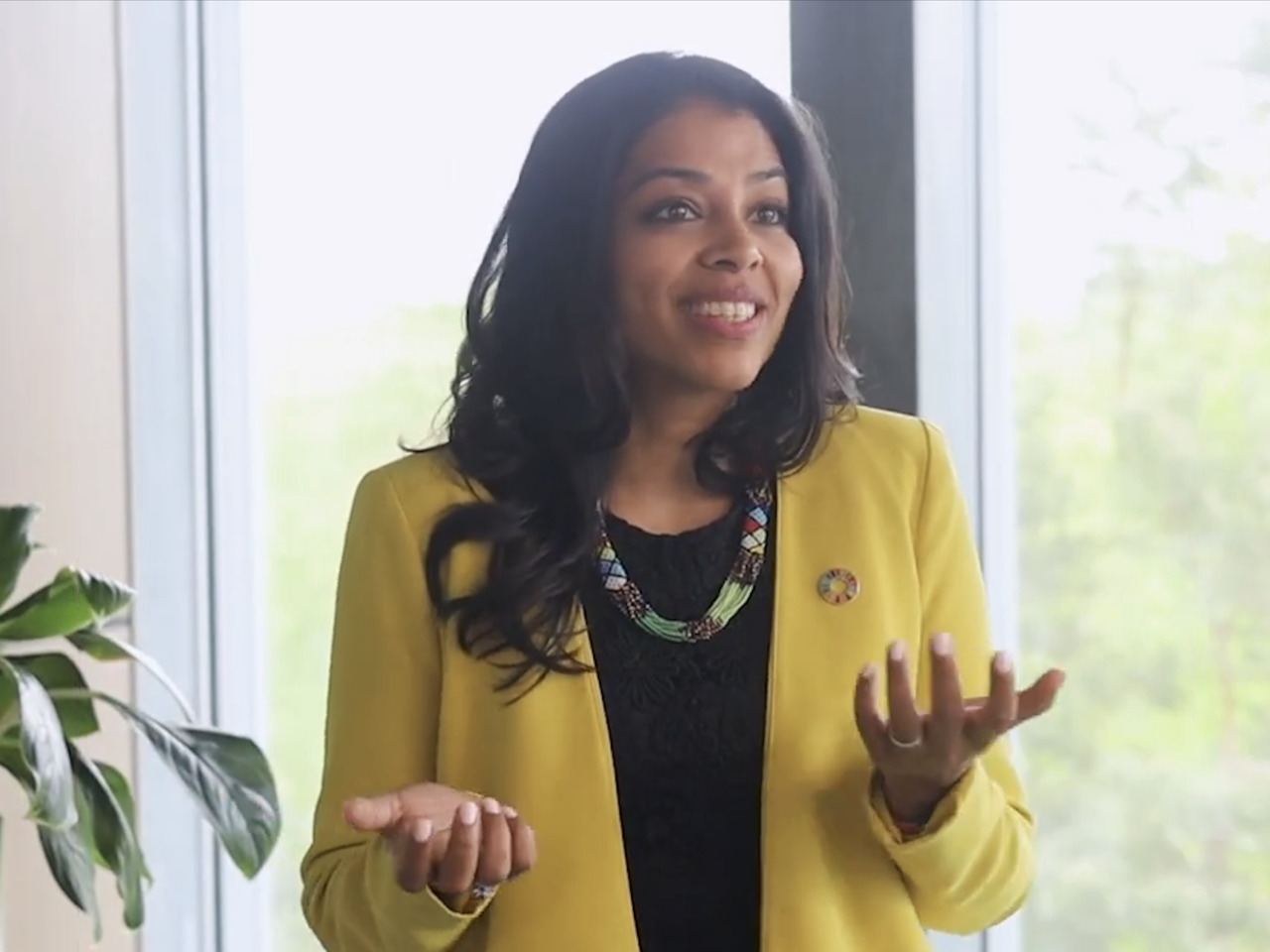
GBC Health sat down with Merck for Mothers Executive Director, Dr. Mary Ann-Etiebet, to hear about the progress that has been made, why she joined the company last year, and what’s next for the global initiative.
In the year or so since ProPublica and NPR published their first article in the “Lost Mothers” series, close to 5,000 Americans have come forward with accounts of how a loved one had died – or they themselves had nearly died – during pregnancy or childbirth.
In India, we’re giving patients a voice – and getting providers to listen. What a private sector-driven, consumer-centric, ‘total market’ approach to improving maternity health care looks like.
In collaboration with key stakeholders, we work to ensure our science advances health care, and our products are accessible and affordable to those in...