This week my @AveryDennison colleagues and I attended the @Walmart annual Sustainability Milestone meeting at Sam M. Walton auditorium in Bentonville Arkansas.
The company generates, transmits and distributes electricity to more than 4 million customers in the province of Québec. It also exports its clean, renewable power and commercializes its unique expertise and innovations on world markets. Hydro-Québec carries out its activities in a spirit of sustainable development, and its sustainability vision goes well beyond the environment. The company contributes to the province’s economic vitality and encourages stakeholders to participate in its decisions. Hydro-Québec is leading the energy revolution.
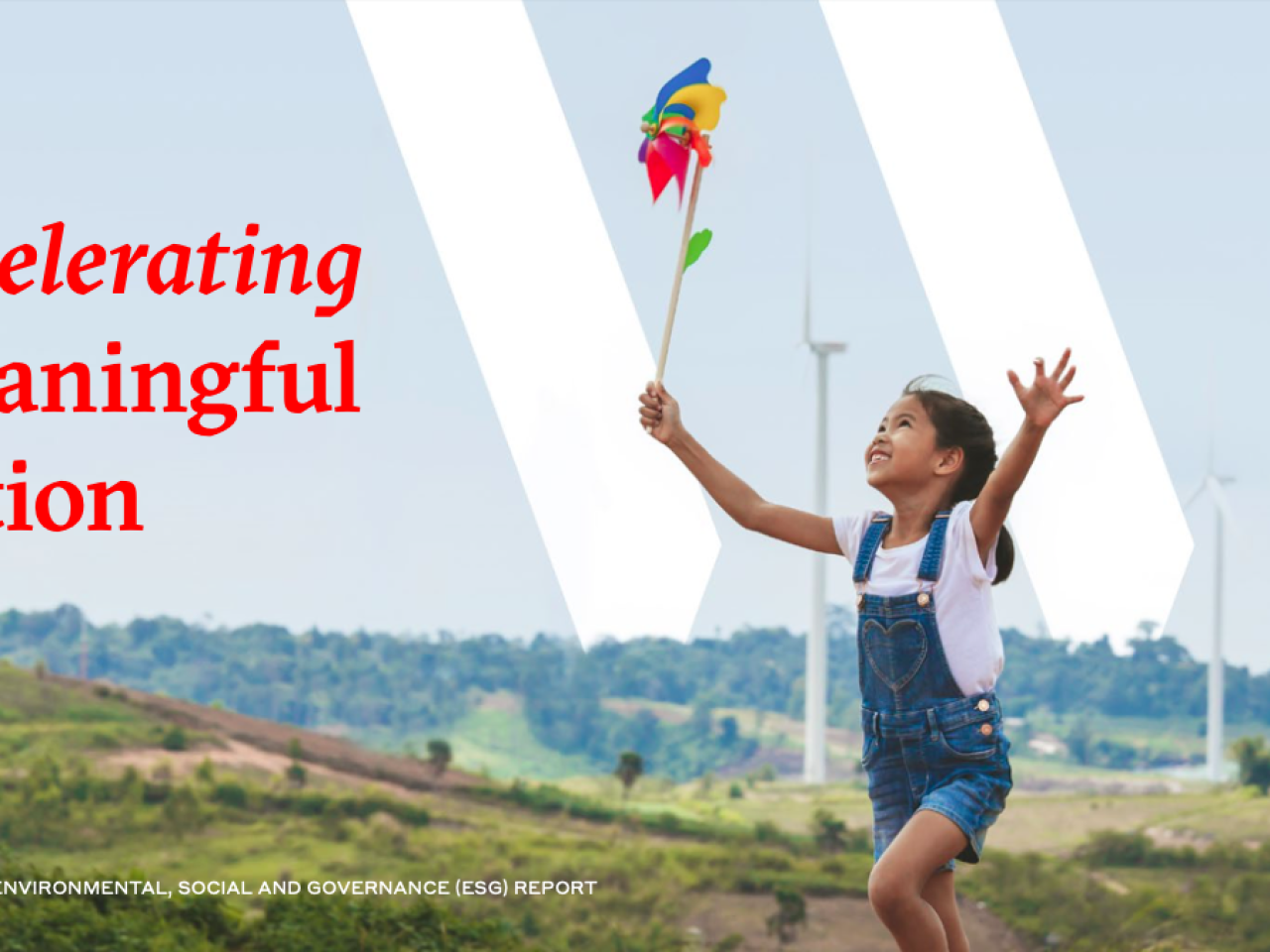
JetBlue this week released its 2017 environmental, social and governance (ESG) report outlining the airline’s long-term environmental strategy and labor and safety performance, among other topics. This year’s report was developed with investors in mind and produced according to the Sustainability Accounting Standards Board (SASB) standards for the airline industry and recommendations from the Task Force on Climate-related Financial Disclosures (TCFD).
Each quarter, Schneider Electric publishes 21 indicators from the 2018- 2020 Schneider Sustainability Impact, which replaces the Planet & Society barometer, measuring progress towards its ambitious sustainability commitments. With a total score of 3.56 out of 10 at end-March 2018, the Group has exceeded its Schneider Sustainability Impact target of 3.50 out of 10 for the quarter. The end-2018 target is 5 out of 10.
Curious about how to shift the financial system to reward the most sustainable companies? Better corporate reports are part of the solution. When companies don’t have the right information, they can’t make the right decisions. In an increasingly complex world, expectations for corporate reporting are changing. The complexity of corporate sustainability reporting has business and investors overloaded, making it tough to show how sustainability adds value. That’s where the Reporting Exchange comes in.
WBCSD has launched their below50 insights report, designed to give you key insights on the status, progress and challenges in the low-carbon transport fuels sector. below50 is one of WBCSD’s key climate projects – and invites any company who produces, uses or invests in low-carbon transport fuels with at least 50% lower emissions that conventional fossil fuels to join. This is the first report outlining progress towards our goal to reduce co2 emissions by replacing 10% of fossil fuel use in global transport with low-carbon transport fuels by 2030.
Munich Airport has an ambitious target to become the first carbon neutral airport in Germany. We spoke to Bernd Schönhofer, Strategic Sustainability Manager at Munich Airport, who told us about the company’s ambitious sustainability programs and how reporting has helped them remove silos in the organization.
Life-changing events can happen to any of us, often when we least expect them. Employees in need can turn to the Wesco Cares. Its mission is to be an...
AEG embraces its responsibility to enrich the lives of people in the communities around the world where we do business, and to use business to create...
The SCS Kingfisher certification mark is showing up on an increasing number of products around the world. It differentiates companies that are making...
Our Prescription for a Better World framework is organized around three key pillars: building healthy communities (Health in Action), protecting the...
Cascale organizes and participates in a series of events, leveraging its position as a global convener of close to half the sector to bring together...