Social Change

Corporate stories about Social Change across 3BL's network.

Latest in Social Change
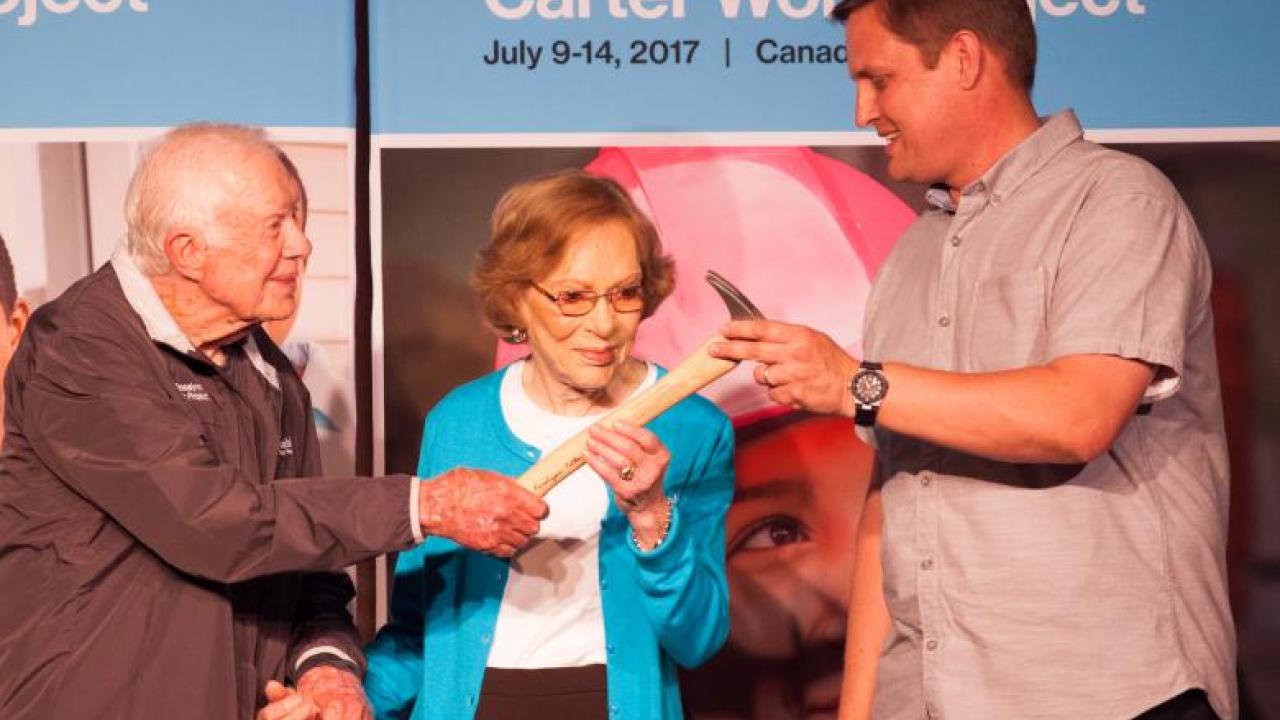
Habitat for Humanity’s 2018 Jimmy & Rosalynn Carter Work Project Heading to Mishawaka and South Bend, Indiana
Habitat for Humanity’s 35th Jimmy & Rosalynn Carter Work Project will take place next year in St. Joseph County, Indiana. Over five days, future homeowners will work alongside President and Mrs. Carter and hundreds of other volunteers from Indiana and around the world to build or improve about 30 homes in Mishawaka and South Bend.
Youth Group Wins $10,000 Grant for Inspiring Confidence Among Homeless and Foster-Care Youth
High school may be the most important fashion runway in a teenager’s life, but when you’re homeless or in foster care, owning a confidence-inspiring wardrobe is difficult.
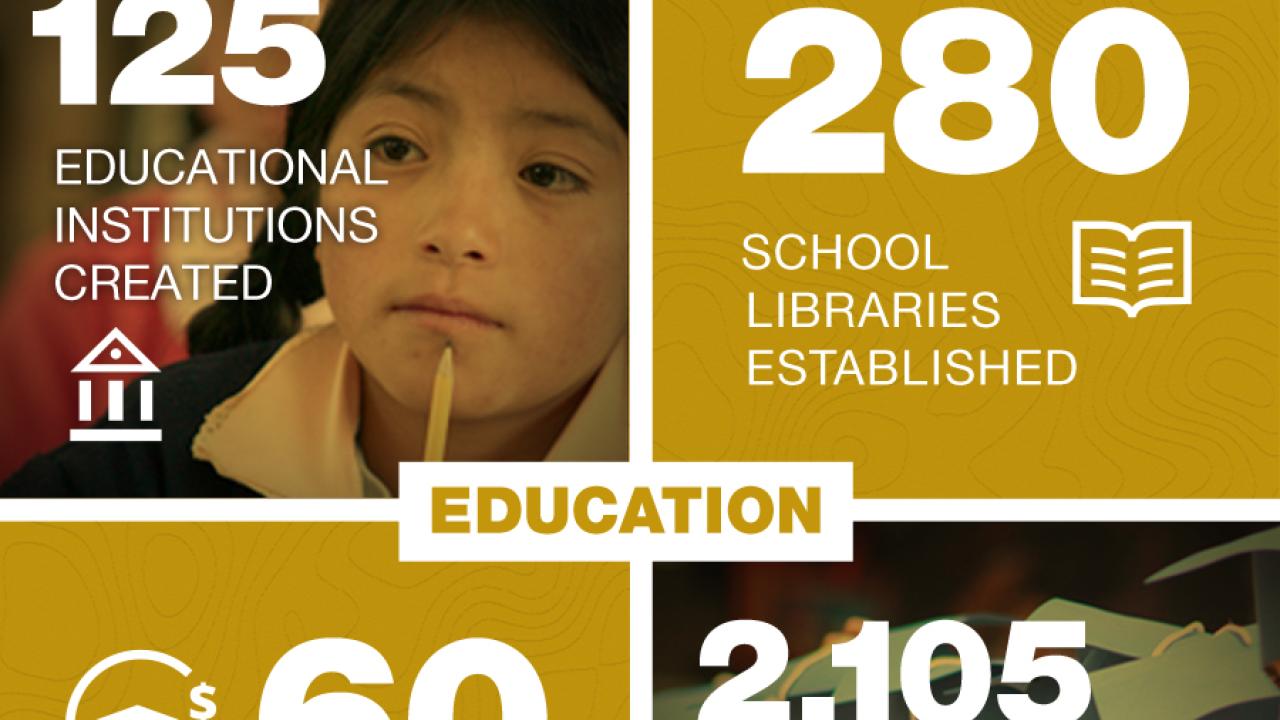
Sustainability in Action: Education in Peru
Our Yanacocha operation is located in the province of Cajamarca, a region in Peru known for its agricultural communities. As part of Newmont’s commitment to be a catalyst for long-term socio-economic development, Yanacocha has invested in improving access to basic education for many living in the rural communities close to the mine.
Ecocentricity Blog: Front Seven - Redesigning Commerce
Maybe I’m naïve. Heck, I know that I’m an idealist. Still, deep down I believe in the goodness of people. I celebrate human integrity. I believe that, with enough time and intentionality, we can collectively redesign commerce to promote universal wellbeing.
3 Business Benefits of an Employee Giving Program
When employee benefits and perks are discussed today, much of the conversation is focused on ones that are unique. It might be catered lunch, an on-site gym, student loan repayment, a game room, or a dog-friendly office. Whatever it is, unusual perks and benefits are getting their fair share of attention with companies like Glassdoor covering the Top 20 Employee Benefits and Perks. And given that 57 percent of job seekers consider perks and benefits to be a top factor when deciding to accept a new job, it isn’t too surprising that companies are focusing more and more on them.
Habitat for Humanity’s MicroBuild Fund Wins Classy Award for Innovation in Social Good
Selected from 100 finalists to become one of 10 winners, Habitat for Humanity recently received a Classy Award, which recognizes the most innovative solutions to the world’s toughest social issues. The winning program, Habitat’s MicroBuild Fund, was recognized for creating social, scalable and sustainable impact by partnering with microfinance institutions across the globe on housing finance solutions.
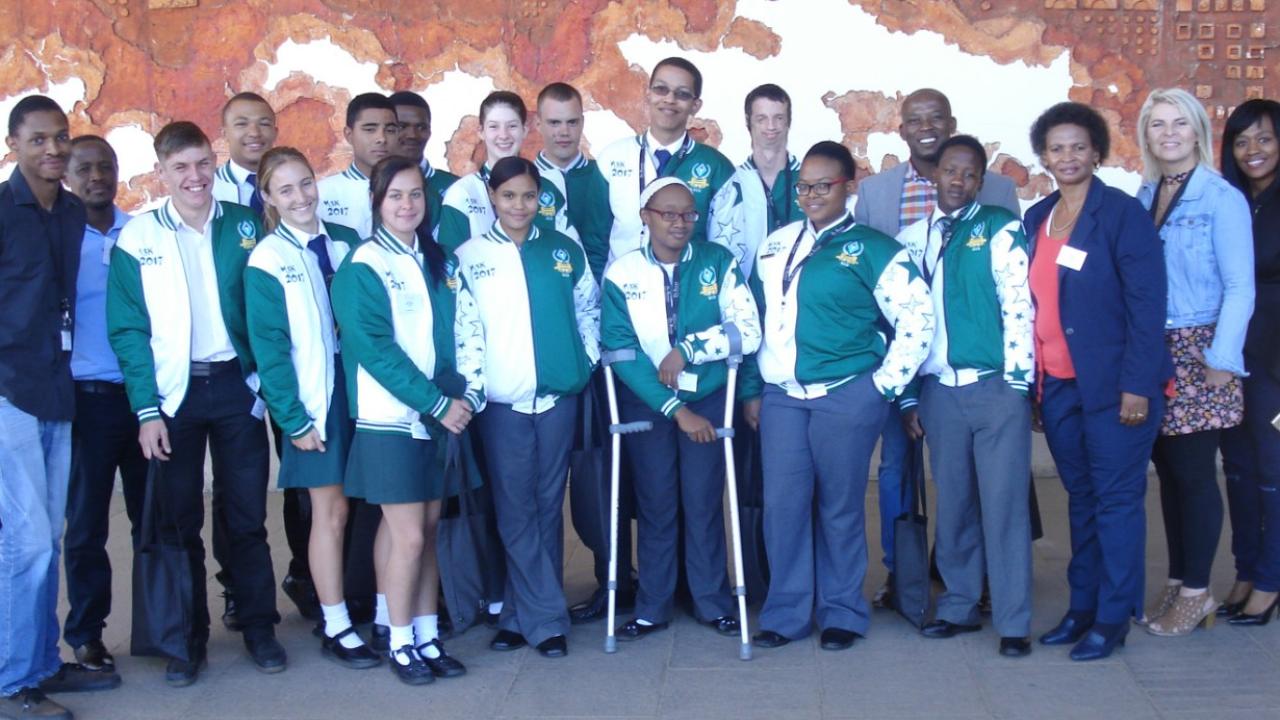
Disabled Students Learn about the Diamond Dream with De Beers Group
The visit by the 14 students from the Elizabeth Conradie School in Kimberley, organised in collaboration with the Department of Education, was the idea of an employee of De Beers Sightholder Sales South Africa (DBSSA), Jabulani Cindi, himself disabled.
Demystifying Outcomes Measurement: A Glossary for Funders
There are so many terms floating around that it’s making outcomes measurement seem overwhelming for organizations and individual change-makers who want to get started. If we can demystify the terminology around outcomes measurement and impact storytelling, could that lower the barrier to entry?
A New Era of Culture as Everything
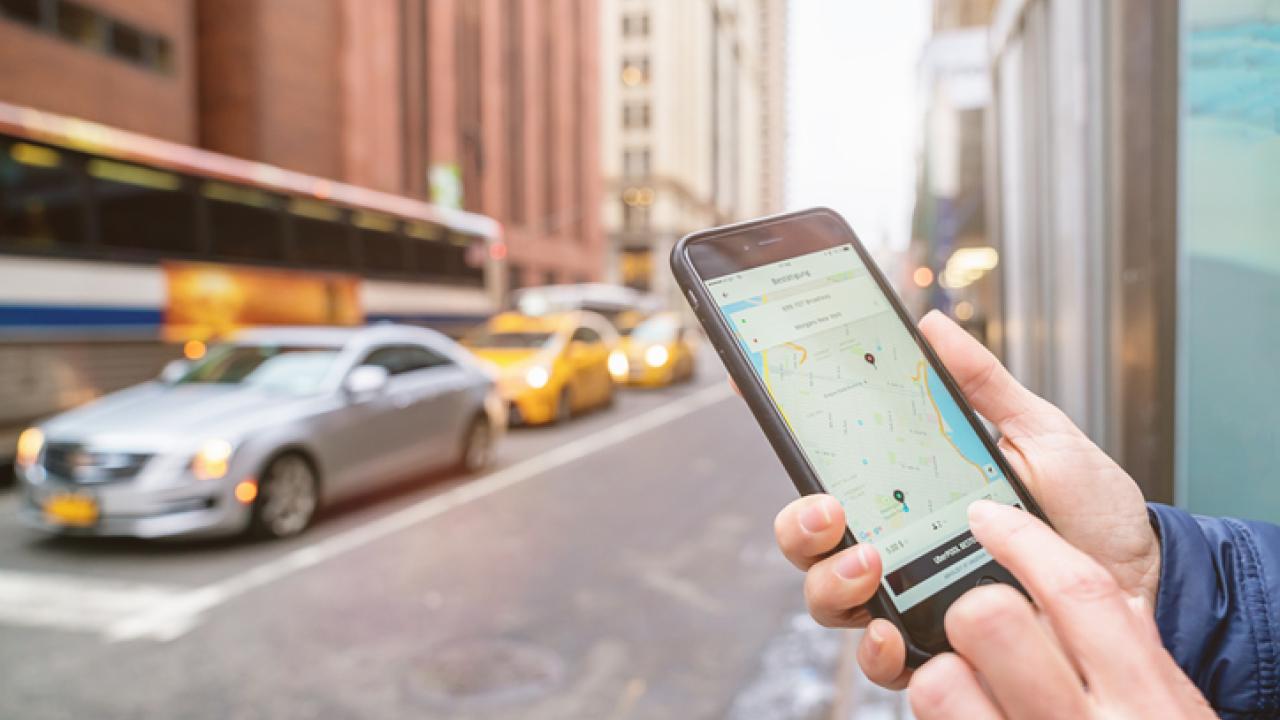
The old adage that it takes a long time to build a great brand and only seconds to damage it has been recently evidenced by one of the world’s most powerful brands, this time Uber. As one of the most highly valued tech startups in the U.S., Uber has been dominating business news over the last few months for what has been described as their “aggressive, unrestrained workplace culture.”
With the MoonCatcher Project, This Woman Supplies Reusable Menstrual Pads to African Girls to Help Them Stay in School
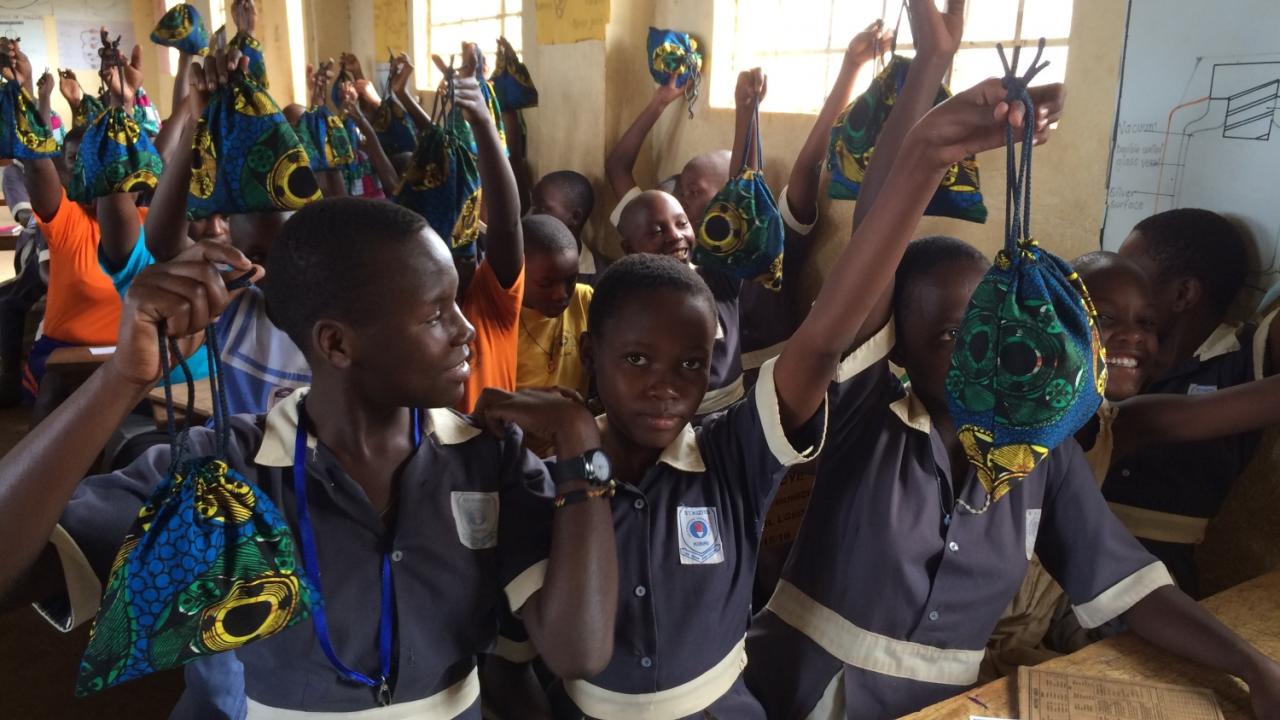
At least once a month, Ellie von Wellsheim presides over sewing bees where she guides the hands of volunteers as they sew pieces of brightly colored fabric into reusable menstrual pads. The pads are destined for girls in Uganda, Malawi, and a host of other developing countries that lack the money and access to purchase feminine hygiene products.