Responsible Production & the Circular Economy

Corporate stories about Responsible Production & the Circular Economy across 3BL's network.

Latest in Responsible Production & the Circular Economy
Expert Predicts Every Day Trends That Won’t Exist In The Future
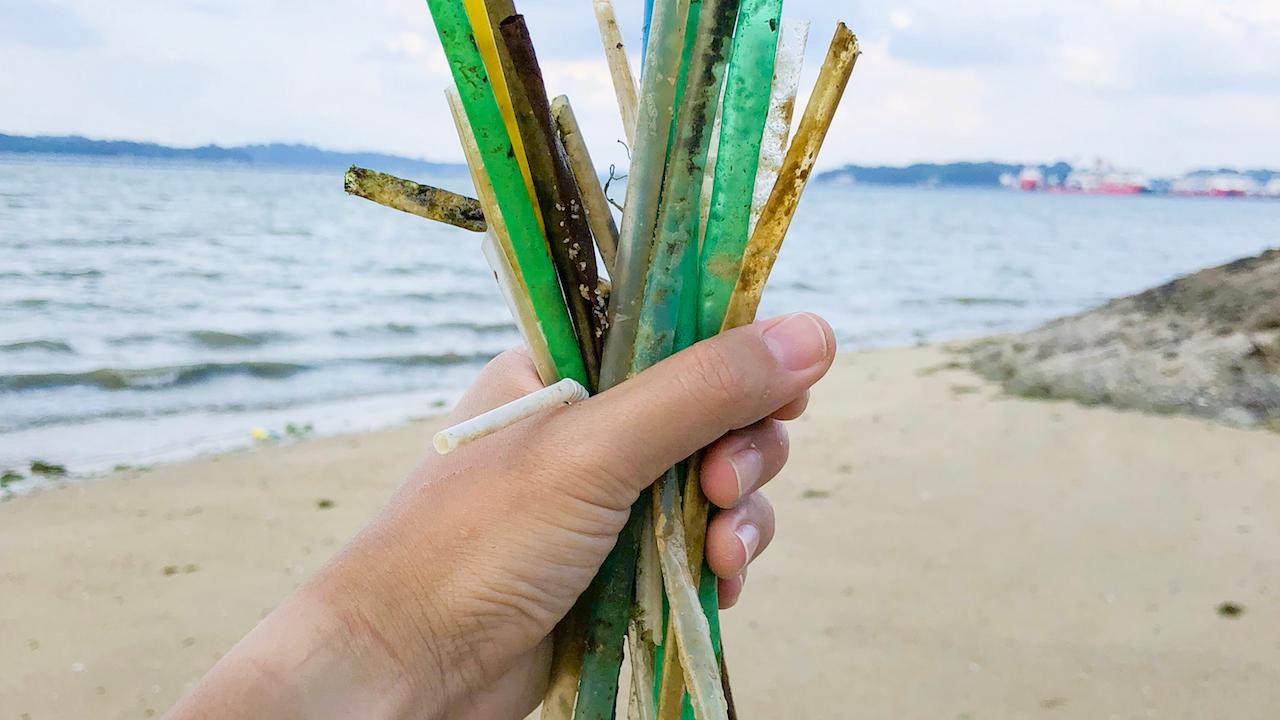
Working alongside BACARDÍ® rum, who has collaborated with the award-winning non-profit organisation Lonely Whale to secure commitments from bars, restaurants and venues in a goal to remove 50 million single-use plastic straws from London this summer by asking them to become 100%
Gluten Intolerance Group Adds SCS Global Services as an Accredited Certifier for Gluten-Free Certification Organization
The Gluten Intolerance Group (GIG) has accredited SCS Global Services (SCS), an internationally recognized third-party certification body, to provide Gluten-Free Certification Organization (GFCO) services to food and beverage companies. GFCO, an industry program of GIG, helps manufacturers earn consumer confidence in their products and manufacturing facilities—keys to being successful in the expanding gluten-free market. The announcement highlights the global growth in the demand for certified gluten-free products, which is projected to reach $6.2 billion this year.
19 Finalists Announced for Clean-economy Startup Pitch Competition
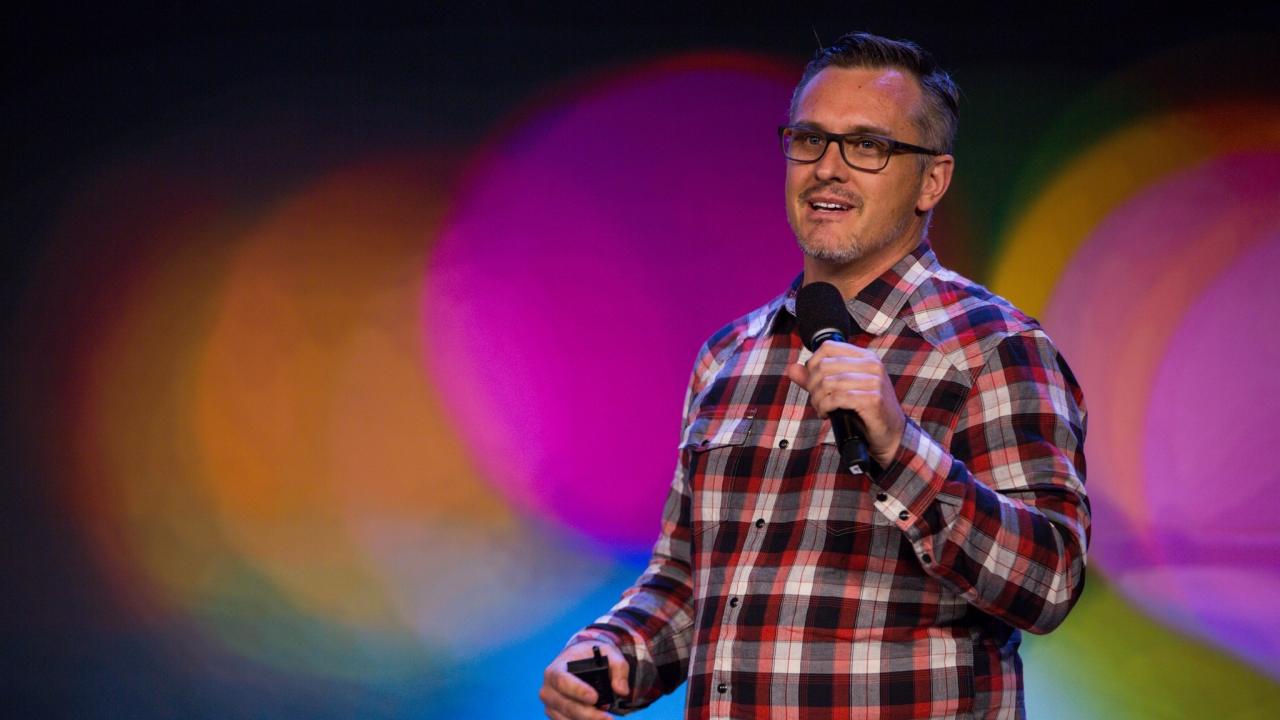
GreenBiz Group has selected 19 innovative startups to pitch their ventures from the main stage of VERGE 18, in Oakland, Calif., October 16-18. The entrepreneurs — selected through a competitive process — are developing clean-economy solutions across three key markets: the circular economy, clean energy, and transportation and mobility.
How Tyson Foods Is Changing The World
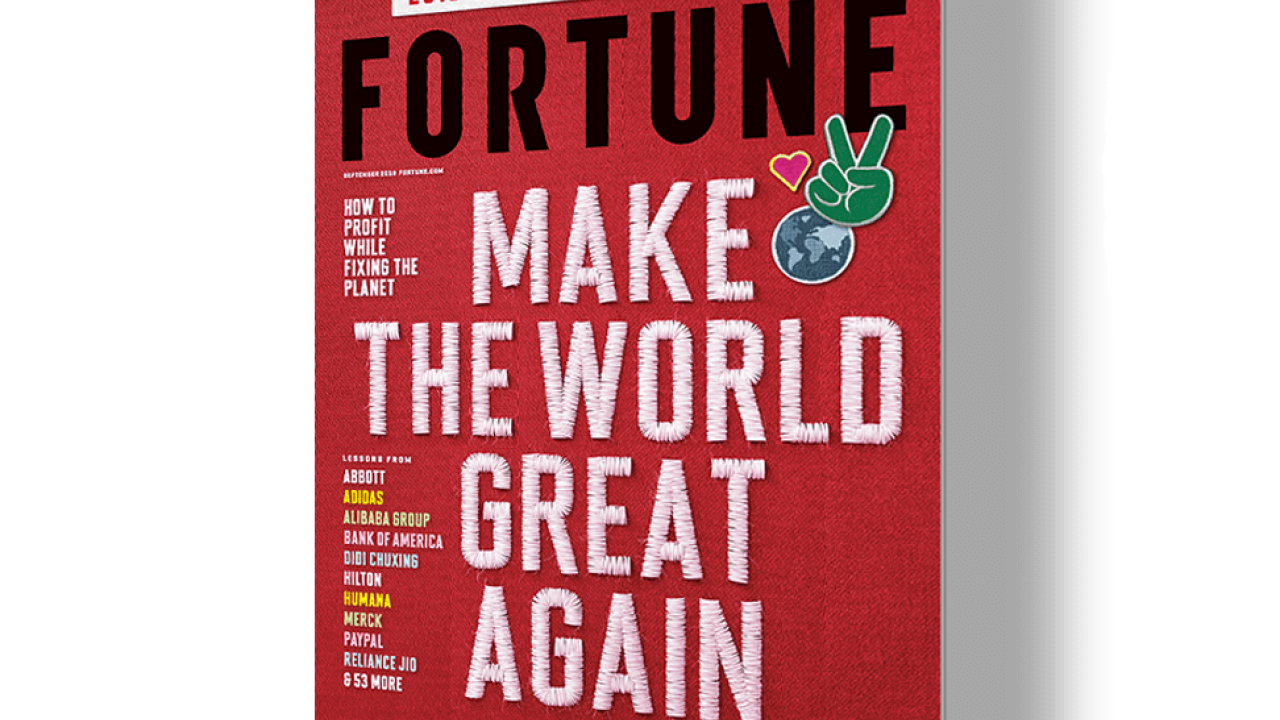
I’m proud to be part of an organization that has earned a spot on this year’s FORTUNE CHANGE THE WORLD LIST. The 2018 list features 57 world-changing companies focused on finding answers to current public health, environmental, economic or other societal challenges, and making “doing good” part of their everyday operations.

Tyson Foods has been recognized in the environmental impact segment for investing in alternative protein companies, and for doing our part to address global health concerns about antibiotic resistance by moving to NO ANTIBIOTICS EVER in our Tyson-branded chicken.

As one of the world’s largest food companies, we are committed to sustainably feed the world. And live our purpose everyday: raising the world’s expectations for how much good food can do.
Farmers Focus on Maximizing Soil Health
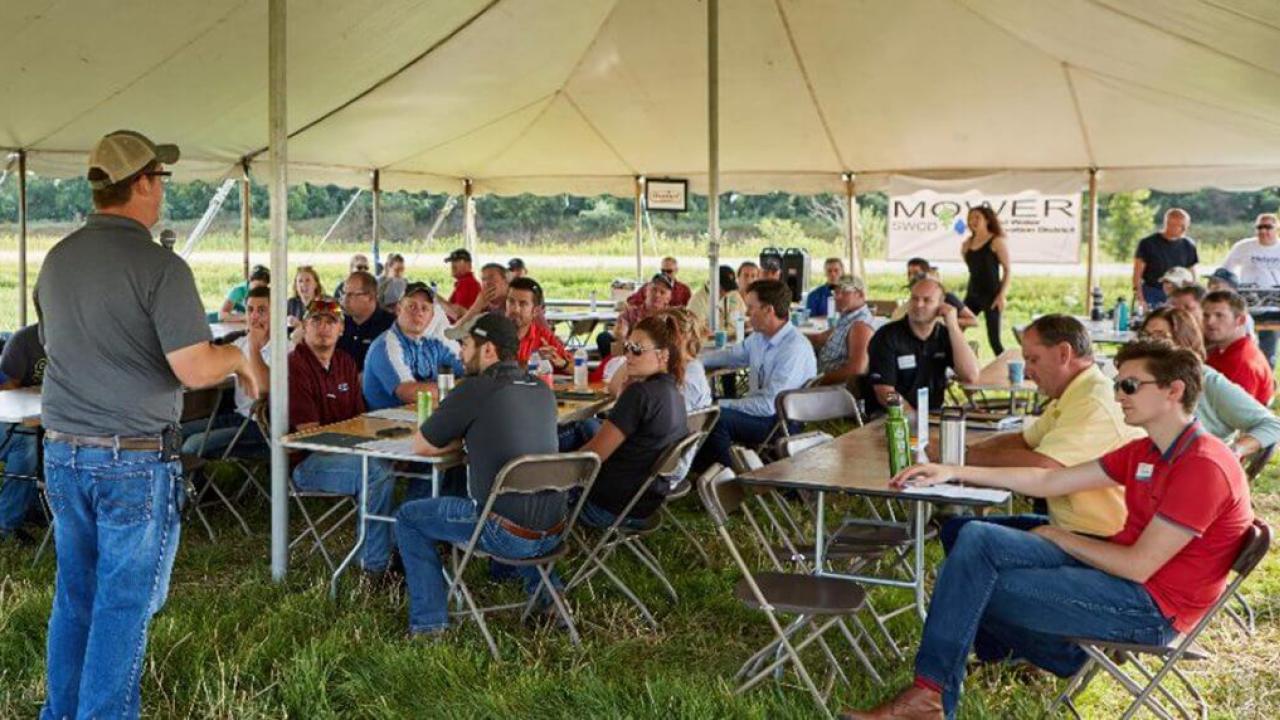
Farmers in the Cedar River Watershed gathered last week and learned from local experts how maximizing soil health can economically benefit their operations while protecting water quality. The event was a free field day organized by a new public-private-nonprofit partnership.

The Cedar River Watershed Partnership organized the event for dozens of farmers in the watershed and surrounding region at the Krell farm near Blooming Prairie, the upper part of the Cedar River Watershed.

Aimed at increasing farmers’ knowledge of soil health practices, particularly tillage and cover crops, the field day focused on the costs and benefits of adopting different land-management practices that improve the soil, water and economic health of farms.
Ecocentricity Blog: The Devil Made Me Do It
Studies are accumulating that show that financial performance does not have to be sacrificed to create social good. A new crop of CEOs are passionately leading their companies in this new direction that seemed utter folly 25 years ago.
Rewiring Employment Systems: FSG’s Innovation Labs Now Accepting Applications
Everyone’s talking about workforce, but do you have the tools and knowledge to access and support new sources of talent? Over the last year, FSG has been working to advance employer practice change through their Talent Rewire Innovation Lab program, which supports a wide range of employers to better recruit, retain, and support historically overlooked talent pools with an aim of improving the bottom line.
FSG
Circular Solution Helps Nestlé Save Water and Energy in Brazil
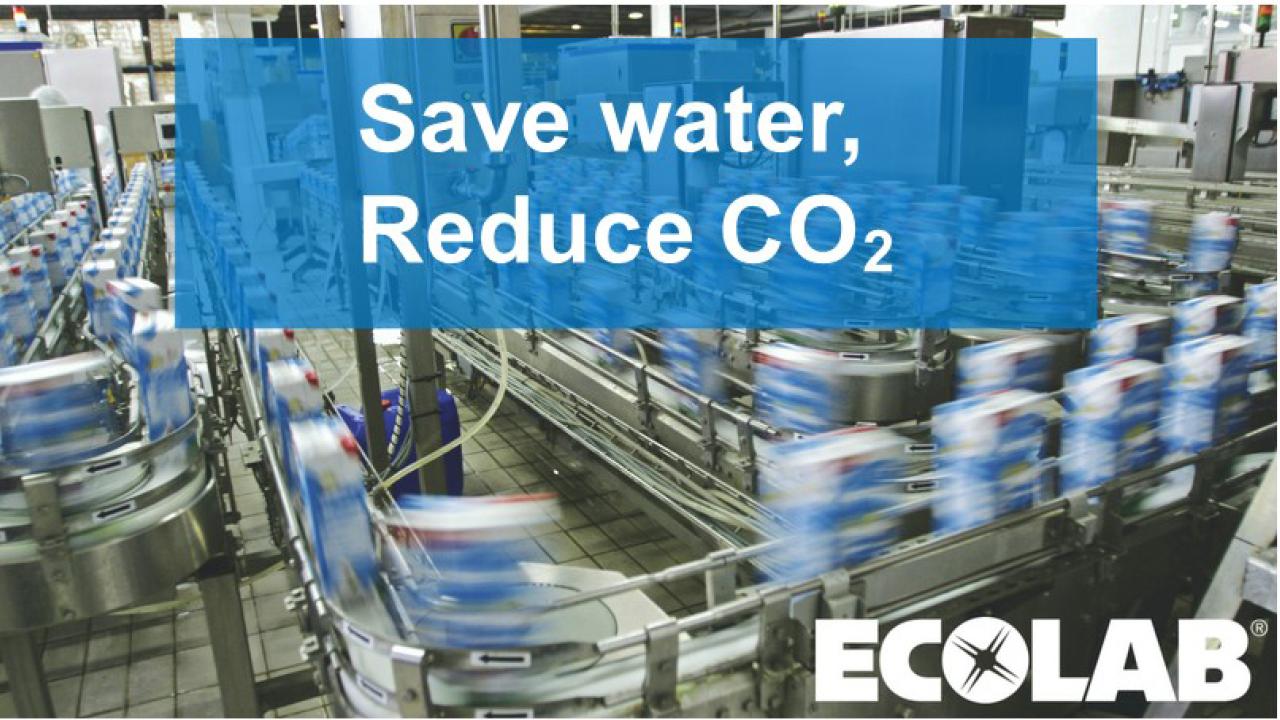
As the world’s largest food and beverage company, Nestlé is committed to preserving resources for future generations. It aims to do so by reducing water use across its operations, using sustainably managed and renewable resources, and achieving its goal of zero waste. Ecolab’s Nalco Water business helped a Nestlé milk production plant in southeastern Brazil reduce energy use, water consumption and CO2 emissions.
Learn More About Sappi's Latest Business Venture: Sappi Biotech
In 2016, Sappi Limited established a new global business, Sappi Biotech, to accelerate our response to consumer demand for renewable products with a low carbon footprint.

Sappi took a major step forward in September 2017 toward efforts to expand its biorefi ning expertise with the acquisition of Xylex® and Versalac® technologies, owned by Plaxica Limited.
Tackling the 1.6-Billion-Ton Food Loss and Waste Crisis
The scale of the problem is staggering. Each year, 1.6 billion tons of food worth about $1.2 trillion are lost or go to waste—one-third of the total amount of food produced globally.1 To put the figure in perspective, that is ten times the mass of the island of Manhattan. And the problem is only growing: BCG estimates that by 2030 annual food loss and waste will hit 2.1 billion tons worth $1.5 trillion.