Responsible Production & the Circular Economy

Corporate stories about Responsible Production & the Circular Economy across 3BL's network.

Latest in Responsible Production & the Circular Economy

MilliporeSigma Expects Extra Cost of Sustainability to 'Wash out Over Time'
Business-to-business (B2B) companies should be considering the sustainability of their packaging as much as consumer goods companies, according to pharma firm Merck, KGaA, Darmstadt, Germany.
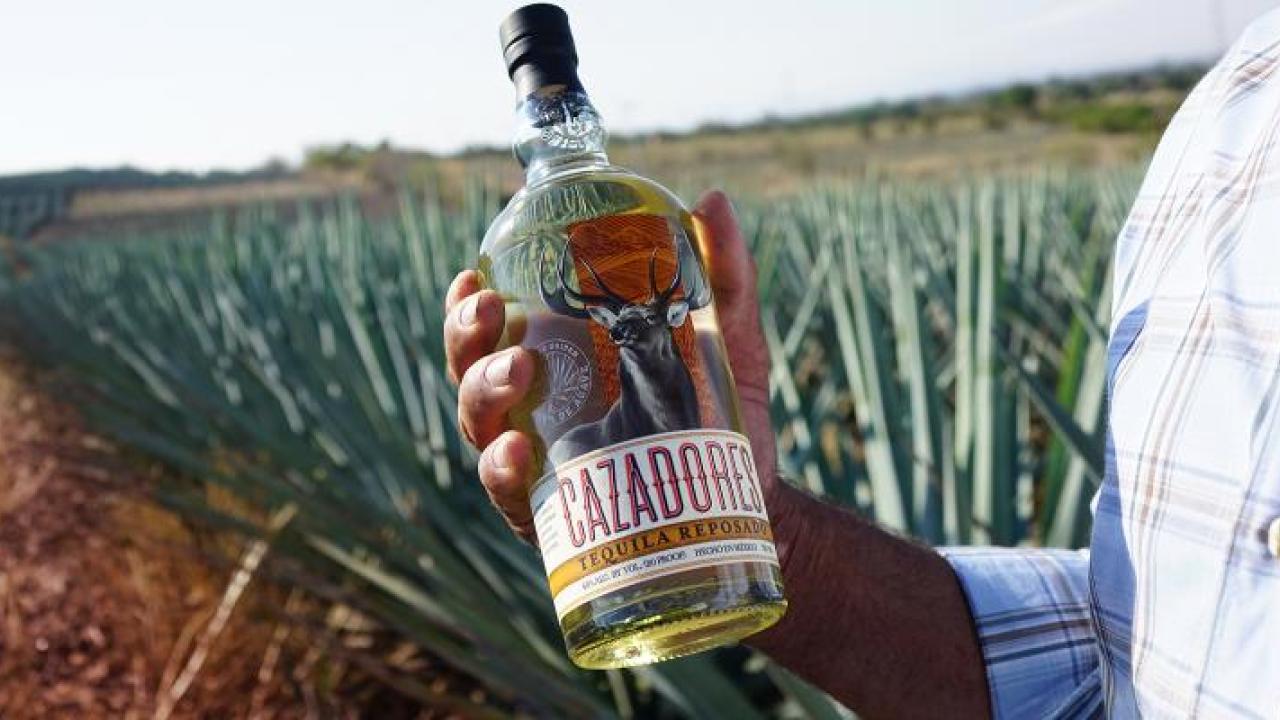
Tequila Neat, Hold the Waste: A Look at One Distiller’s Zero Waste Efforts
Since its inception, Tequila Cazadores, which is known for using only blue agave, has always kept sustainability as a top priority. Today, the distillery houses a biomass boiler, making it 100 percent biomass fueled—60 percent of the biofuel is used to produce the tequila and comes from spent agave fibers, which equates to about 11,000 tons a year. The other 40 percent comprises roughly 8,000 tons of carbon-neutral, renewable fuel sources like clean waste wood, biomass briquettes, sawdust, coconut shells and tree cuttings.
Essity Invests in Wheat Straw Technology to Improve Circularity of Tissue Products
Did you know that almost 50% of wheat straw goes to waste? Find out how Essity is using wheat straw to improve the circularity of tissue products. Find out how wheat straw is revolutionizing the sustainable production of tissue products.
From the Street to the Street: The Circular Economy in Ghana
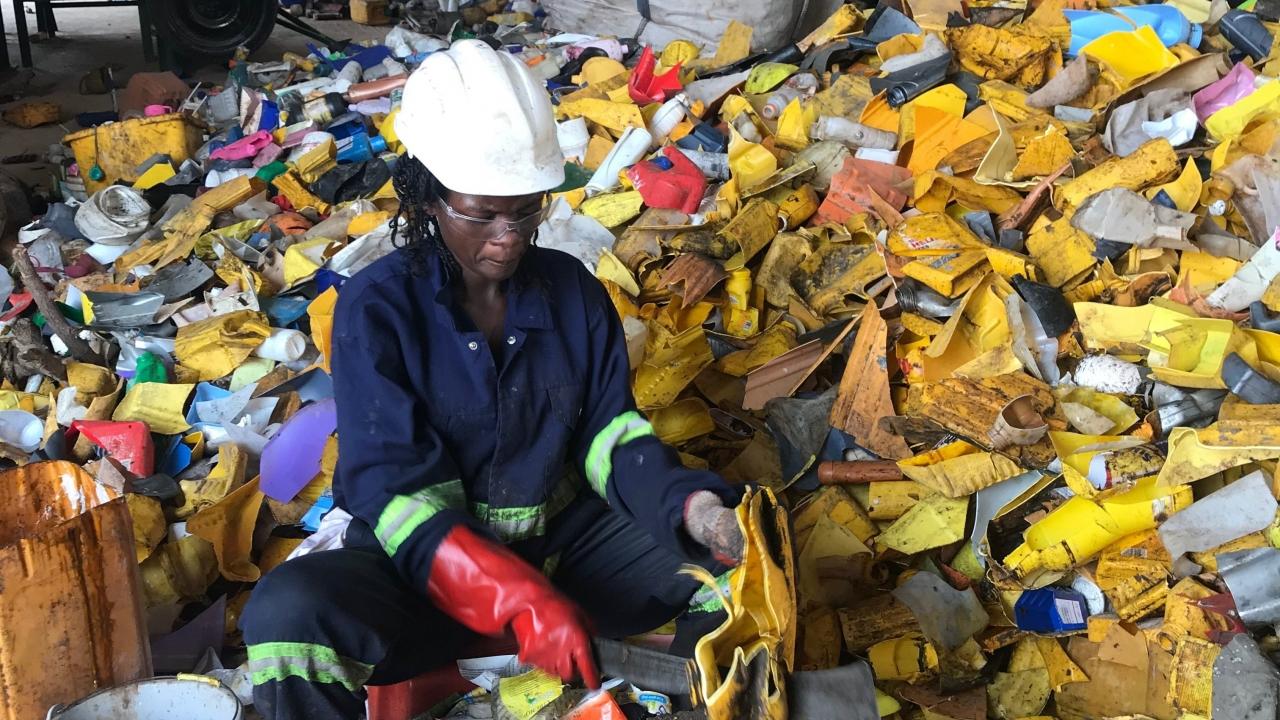
The ASASE (‘Mother Earth’) Foundation has put the circular economy into practice through its CASH IT! social enterprise, aiming to establish a replicable, sustainable business model, formalizing employment, mobilizing volunteers, and creating a product desperately needed by the community from trash that formerly littered the streets. It’s sustainability in action. PYXERA Global Senior Fellow Laura Asiala caught up with Dana Mosora on a recent trip to Connecticut, where she squeezes in a visit to her granddaughter when she’s not generating value from the waste stream in Ghana or advising companies across Europe on sustainable packaging through her consulting company.
A Nature-Based Approach to Climate Change
The Wellness Economy is one of the biggest industries today as many are looking for solutions to manage health and well-being. Pollution, manufactured goods, and other pressures are among some of the factors driving people to consider simpler, more natural options. Those same stresses are also impacting the health of the planet – so why not invest in the same type of care for the environment?
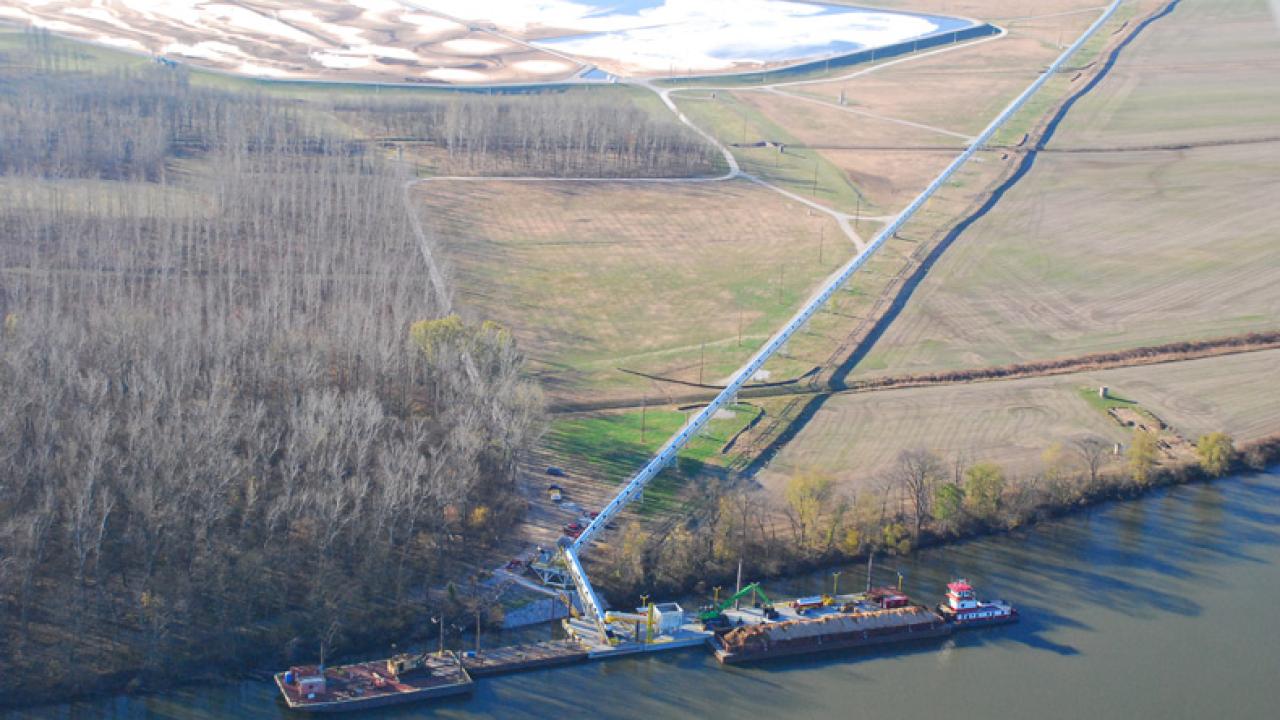
Hawesville Mill’s Continuous Improvement Projects Deliver Results
Five years after the introduction of a transformative barge unloading system, our Hawesville Mill continues to embark on projects that help increase reliability and performance in producing pulp and paper. These continuous improvement projects are saving time, reducing costs, increasing efficiency and lowering our environmental impact.
Video | Warming Mittens and Hearts
Beyond her monthly bill, Karen Smoots never gave much thought to Consumers Energy. That changed when she started a small business. Today, Smoots is working with us to grow her company — Green Glove Dryer — help the environment and improve life in Michigan communities.
How Brands are Empowering Consumers to Accelerate Change
A month ago, Paris hosted the first European Sustainable Brands conference during a volatile time for the region; the grassroots Gilets Jaunes (Yellow Vests) movement protesting high taxes and economic inequality in the French capital, young people from the Youth Strike 4 Climate movement organizing protests in various UK cities and the disastrous fire at Notre Dame cathedral bringing modern philanthropy back to the debate table. With over 3,000 attendees representing a mix of entrepreneurs, start-ups, non-profits, and brand managers of large companies, it was an inspiring and refreshing experience.
The Value of Food, Responsible Consumption and Fighting Against Food Waste: Costa Cruises Food Waste Reduction Project
Costa Cruises has put food issue at the very heart of its sustainable development strategy, focusing in particular on the objective on cutting food waste.
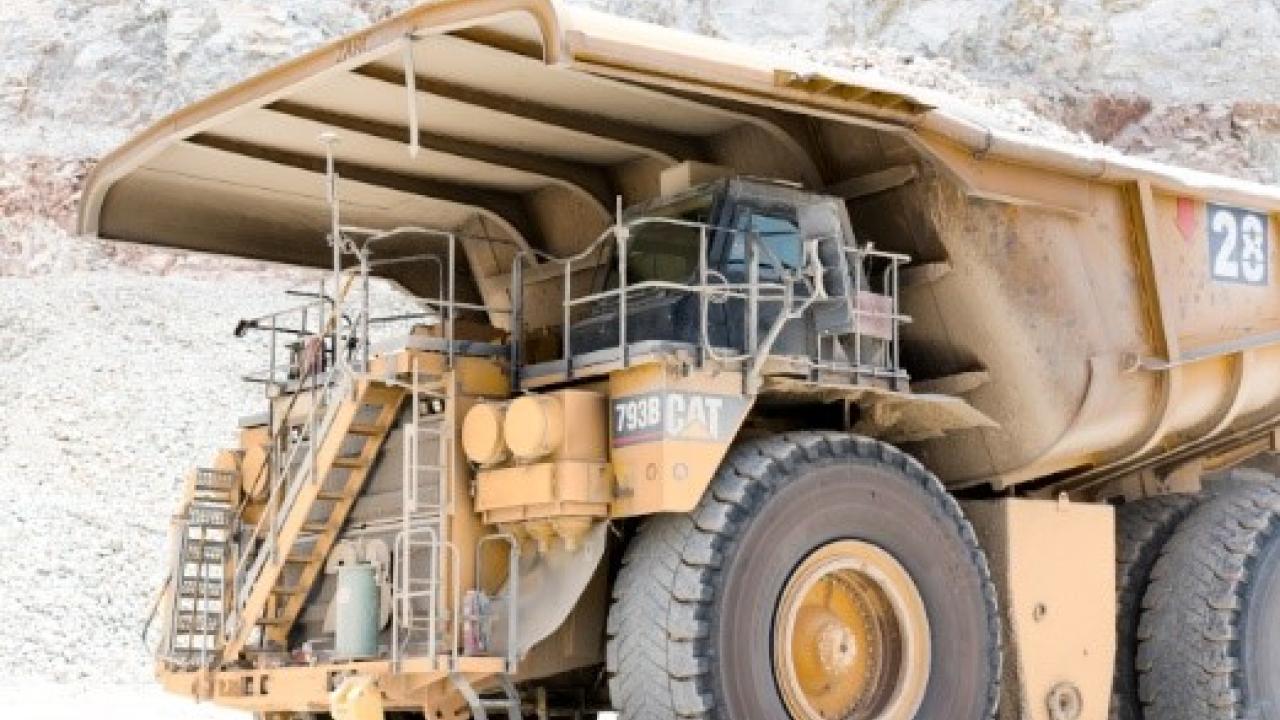
Minera El Abra, a Freeport-McMoRan Company, is Recognized for Lowering Carbon Footprint With Tire Recovery Program
Thanks to a new tire renewal program, Minera El Abra, a subsidiary of Freeport-McMoRan, was recognized for reducing its CO2 emission by 53 tons – or 35 percent.