Responsible Production & Consumption

Corporate stories about Responsible Production & Consumption across 3BL's network.

Latest in Responsible Production & Consumption

Scheller College Professor L. Beril Toktay Named Fellow by Manufacturing and Service Operations Management Society
Founding Director of the Ray C. Anderson Center for Sustainable Business is named Distinguished Fellow by the Manufacturing and Service Operations Management Society (MSOM). "Election as an MSOM Fellow should be considered a rare distinction," according to the society's web site.
Four Key Steps to Optimizing Data for Enterprise Asset Management
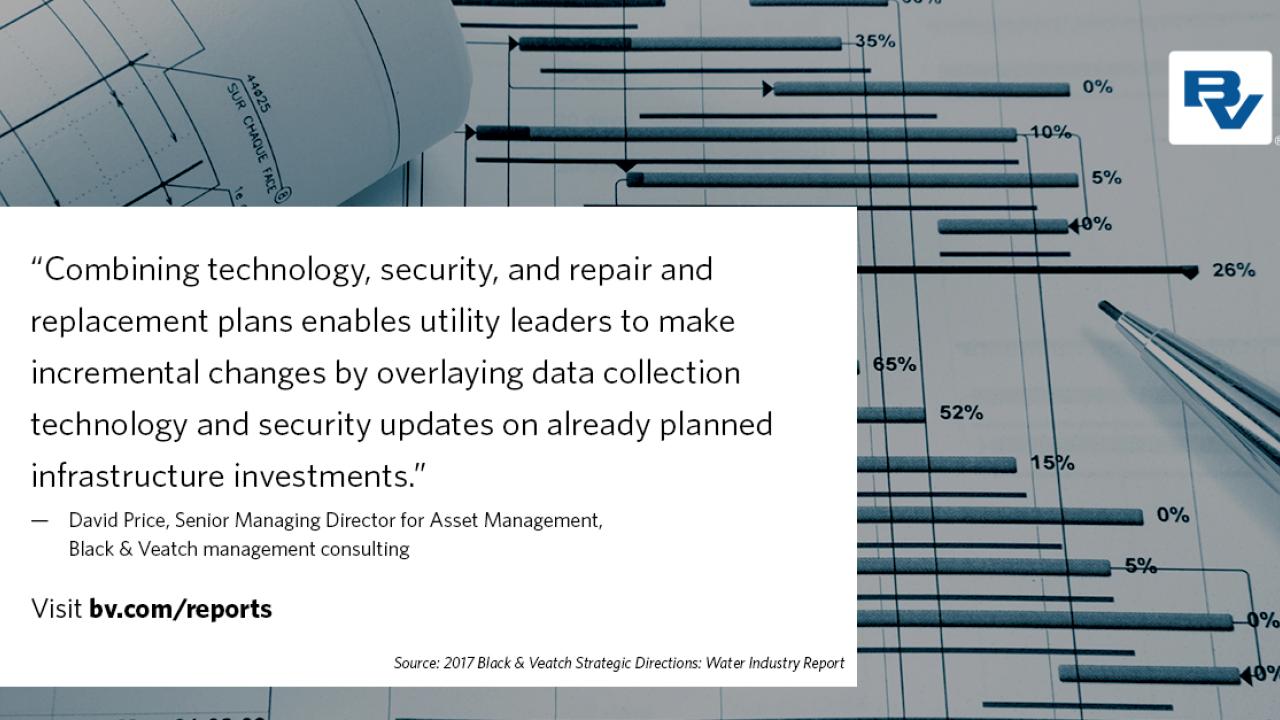
Many water leaders face a conundrum – they know massive system investments are needed, but have a steep hill to climb to gain necessary approvals and rate recovery for such investments. Stand-alone, multimillion dollar technology programs often take a back seat to repairing and replacing aging distribution system assets.
Domtar's Sustainability Economics
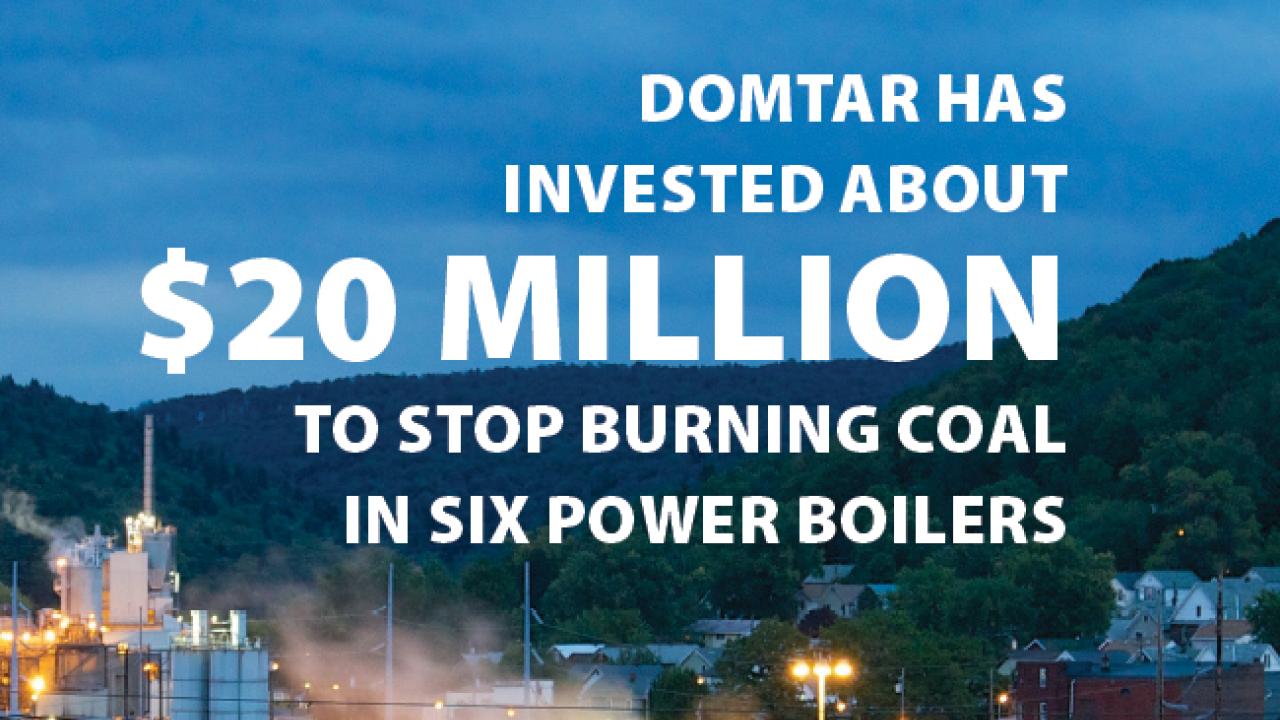
Domtar is a case study of how supply and demand has accelerated sustainability—in particular, how the growing supply of natural gas has accelerated the reduction of coal burning in our power boilers. Over the past few years, energy economics and the drive for competitive advantage through improved efficiency have reduced air pollution and carbon dioxide emissions further and faster than what would have occurred under any likely scenario involving additional government regulation.
Domtar’s Sustainability Report Highlights Progress in Long-Term Strategy
Less waste, lower greenhouse gas emissions, fewer workplace injuries. Less of each of these means a more sustainable business and highlights how Domtar is working smart for the long term.

Our newly released 2017 Sustainability Report details our efforts to take a longer term view of creating and preserving value for our shareholders, customers, employees and communities.
FSR Names The PNC Financial Services Group, Inc. a Winner of Corporate Social Responsibility Leadership Awards
FSR member companies strengthened their local communities by supporting over a million volunteer projects, donating over $1.1 billion dollars for the second year in a row, volunteering nearly 8 million hours, and completing close to 700,000 financial literacy projects.
NAEM’s 2017 Sustainability Conference to Explore Emerging Issues, New Areas for EHS&S Leadership
As companies integrate sustainability deeper into the fabric of their businesses, it is changing more than just how they manage themselves—it’s shaping their relationships with suppliers, stakeholders and investors as well.
Growing Sustainable Business Leaders
Business leaders across all sectors are feeling the tug, the dip and pull of something deep beneath their feet. A future so uncertain they can no longer ignore it.
Three Quality of Lifehacks for a More Sustainable Diet
Shrinking your food footprint isn’t as daunting as it may seem. By eating in a more sustainable way, you can lower your environmental impact, protect ecosystems and contribute to food security not just for us, but for future generations, according to The United Nations’ Food and Agriculture Organization.
Tetra Tech Celebrates Flagship Program Achievements in the Philippines
In June 2017 Tetra Tech celebrated five years of achievements by the Ecosystems Improved for Sustainable Fisheries (ECOFISH) project, funded by the United States Agency for International Development (USAID). Tetra Tech and the ECOFISH team used innovative interventions and technological solutions to conserve marine biodiversity, enhance ecosystem productivity, and restore profitability of fisheries in key marine biodiverse areas. The project is the latest contribution to Tetra Tech’s decades-long legacy of enhancing ecosystem productivity, conserving marine biodiversity, and improving fisheries and livelihoods throughout the Asia Pacific region.
For Sustainable Business, Collaboration is the New Competition
Consumer packaged goods (CPG) companies often find themselves boxed in by customer demand. On one hand, more shoppers say they want to purchase more sustainable products, but many are not willing to pay a premium. And although most consumers still base their purchases largely on price and performance, the trends are clear: Environmental sustainability is expected. This applies to not only products, but also packaging.