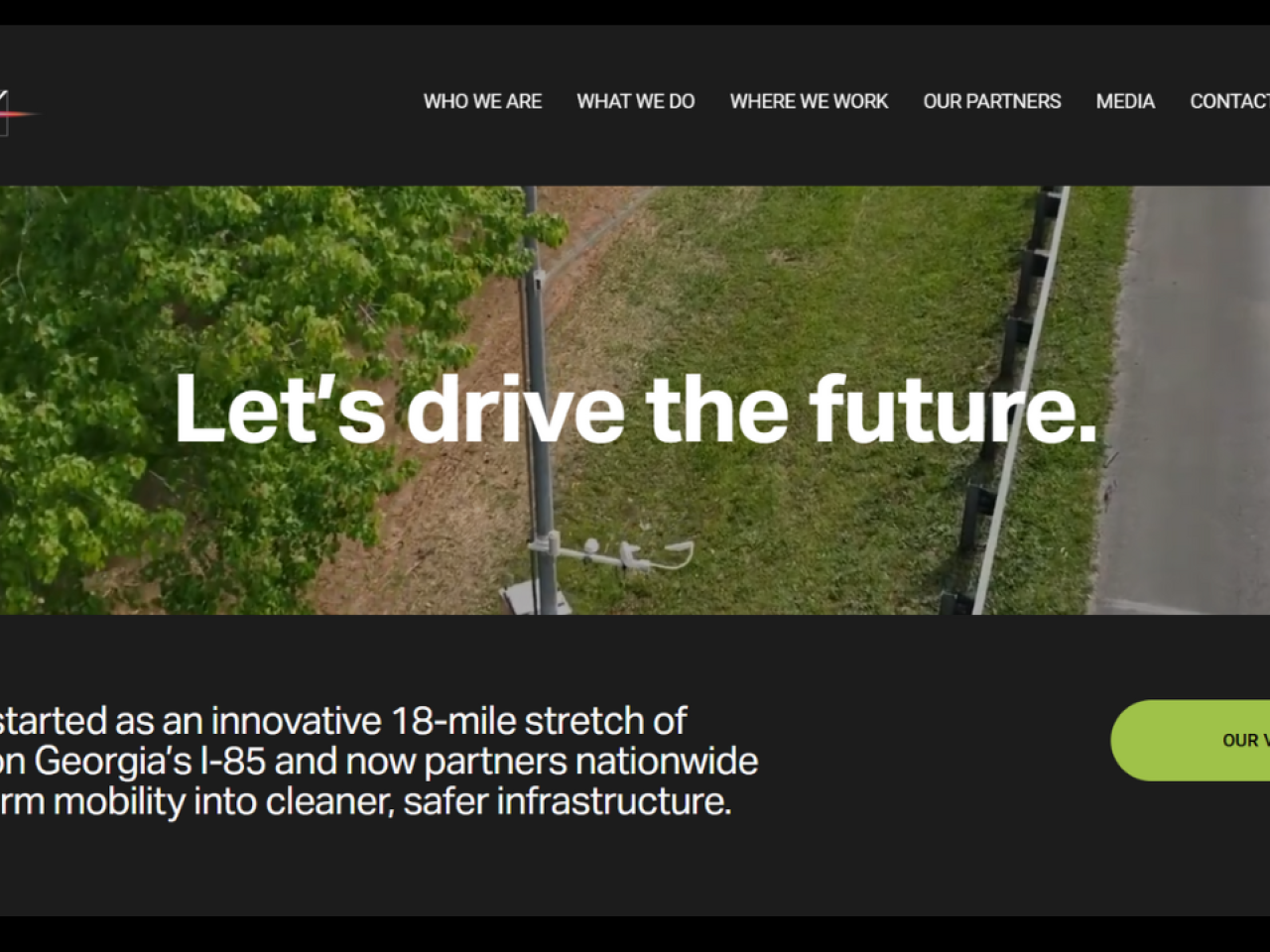
The Ray is pleased to announce the official launch of its redesigned website—theray.org—marking a pivotal shift in the organization’s digital presence as it scales innovative infrastructure solutions across the United States.
Join us at the Living Future unConference, May 17-19 in Seattle, WA. Watch the video to see our awesome program and keynote speakers including Van Jones and Naomi Klein. Tickets are selling fast, reserve yours today!
With the long awaited Minimum Energy Efficiency Standards (MEES) regulations due to come into effect in just over a year, the UK Government have finally released additional guidance as to how these will be applied and enforced in England & Wales.
“You know when you have an idea, it’s assembled from memories, experiences, books—it’s always very complex the way an idea is born. For a long time I was trying to study how it could be possible to put together a natural city in a different way; how to move forests inside the city, to increase the number of trees, to create more parks, to imagine how plants could grow on a building. It was an obsession for me.”
Light pollution, the excess production of artificial light, is perhaps most commonly associated with reduced visibility of the night sky, making it difficult for stargazers and astronomers to observe various celestial bodies. In fact, according to a study published last year in the scientific journal Science Advances, nearly 80 percent of North Americans and 60 percent of Europeans are unable to see the Milky Way from where they live due to light pollution.
As millions of people move into cities every week, this puts a huge strain on space, city resources, energy requirements, and infrastructure cost. Cities are being forced to evolve to meet this increased demand, or collapse under the pressure. This is leading to an increase in the number of Smart City projects — smart grids, networked LED street lights, public Wi-Fi, water management, etc. — that are being implemented around the world, with the number of initiatives nearly doubling over the past few years.
Commercial and residential buildings together account for 40 percent of all US energy consumption. That alone is a major incentive to make both more energy efficient, suggests HP Labs researcher Rongliang Zhou.
Pittsburgh is the birthplace of American manufacturing and a city with a vision to reimagine itself as a center for innovation, green manufacturing, and job creation. The International Living Future Institute (ILFI) is partnering with Green Building Alliance (GBA) to help make this vision a reality through the creation of a Living Product “Hub”.
Bechtel, the leading global engineering, procurement, and construction firm today announced the formation of a global coalition aimed at improving worker safety and productivity standards for construction and engineering projects as well as for their relevant supply chains. Together with Amec Foster Wheeler, CH2M, Fluor, Multiplex, and Vinci, Bechtel is launching the Building Responsibly initiative focused on advancing efforts of construction and engineering firms to more effectively align with international human rights frameworks, promote a healthier environment for workers, and further improve project delivery and quality for customers.
Advancing women and minority-owned small businesses and entrepreneurs around the world. Small to mid-sized businesses power their local economies and...
Cascale shares insights regarding policy and regulation impacting the consumer goods industry, and highlights how it's supporting members prepare for...