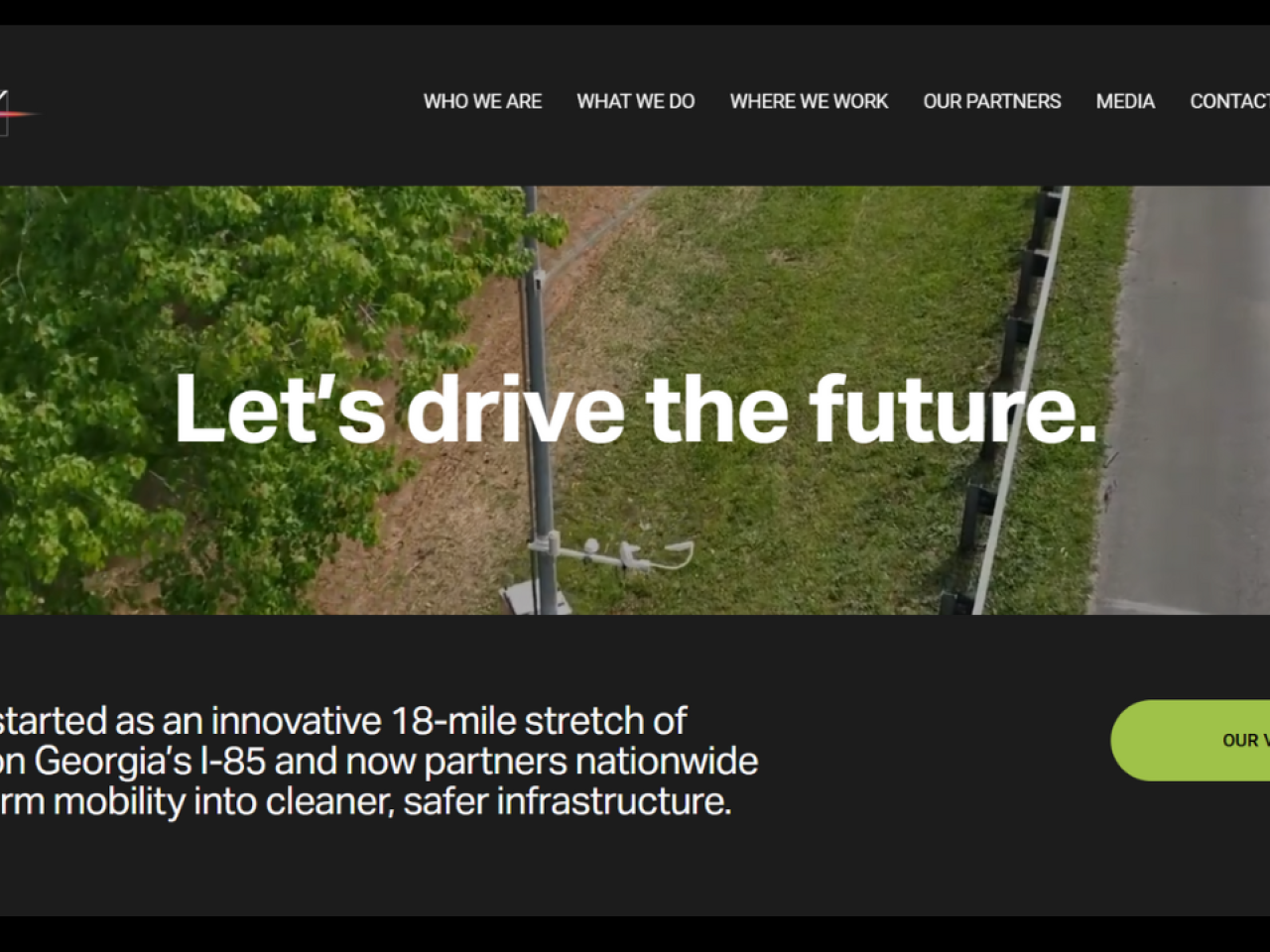
The Ray is pleased to announce the official launch of its redesigned website—theray.org—marking a pivotal shift in the organization’s digital presence as it scales innovative infrastructure solutions across the United States.
At speeds of 30 kilometers per hour, velomobiles require 3.5 times less energy than bicycles. Compared to electric vehicles, velomobiles are about 20 times more efficient. They are arguably the most efficient form of transportation on the planet.
To encourage SCE customers to use electric cars, the company has launched Charge Ready, a program to expand the infrastructure for electric vehicle charging stations. The program targets locations where vehicles are parked for four hours or more.
Boeing is a careful steward of one of the planet’s most precious natural resources: water. In our operations, we focus on innovative ways to protect and improve water quality for the benefit of the environment and the communities where we live and work.
Boeing takes a life cycle approach to our environmental footprint, which means we look at more than the effects of our products on the planet. We also carefully review how our products are manufactured and the effects of our operations. Reducing factory and facility emissions is a core part of our strategy and focus of innovation.
A new Black & Veatch white paper examines the emerging deployment of edge computing and its impacts on data center infrastructure planning. Developed in partnership with DCD (formerly DatacenterDynamics), the white paper analyzes drivers, use cases and strategies to prepare for the edge computing evolution.
In 2016, Boeing completed a comprehensive third-party review and assessment of the company’s most significant environmental priorities.
The analysis included direct input and perspectives from diverse stakeholders—such as customers, environment-focused non-governmental organizations (NGOs), and the company’s global leadership—as well as research into industrial best practices and community requirements.
Utilities need to chart an integrated path to service excellence, financial resilience and proactive customer engagement to obtain “world-class” standing. As this year’s Black & Veatch Strategic Directions: Water Industry Report indicates, challenges such as aging infrastructure, loss of talented workforce and financial constraints continue to influence business decisions and utility performance.
Life cycle assessment (LCA) has gained significant traction in the green building sector as a tool for evaluating the environmental performance of building materials and products, especially since USGBC LEED began recognizing LCA-based Environmental Product Declarations. As manufacturers and stakeholders have learned, LCA supports transparency by providing a holistic, systems-oriented perspective on the environmental and human health impacts associated with resource extraction, production, product use, and product disposal or recycling. Moreover, it is an invaluable tool for assessing the benefits and tradeoffs associated with various “design for environment” solutions aimed at building a more circular economy. However, LCA is full of surprises. This article explains why.
As Amory Lovins says, “if it exists, it must be possible.” Nutrient cycling exists. That means it must be possible for mankind to create a manufacturing system that works just as well.
Everyone’s financial journey is different. We make intentional efforts to meet the individual needs of clients and communities through a diverse range...
At Whirlpool Corporation, we have a history of advances in sustainability founded on a simple principle: "Do the right things, the right ways. Always...