A GRI-led partnership in Indonesia is bridging the gap between how to assess national progress for the Sustainable Development Goals (SDGs) with measuring the contribution of the private sector.
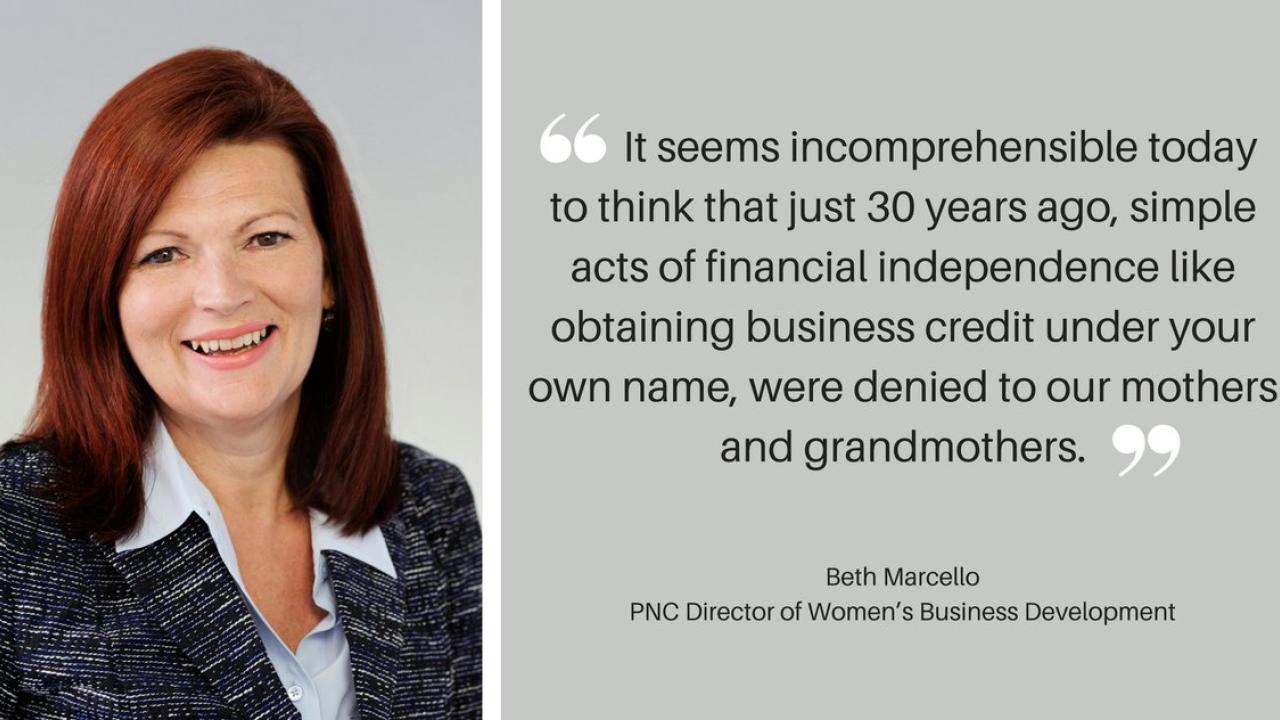
It seems incomprehensible that just 30 years ago, our mothers and grandmothers were denied simple acts of financial independence like obtaining business credit under their own names. Women fought to remove barriers like this, and the Women’s Business Ownership Act established policies and programs to support their business pursuits. As we commemorate the 30th anniversary of the passage of the Women’s Business Ownership Act this year, it is difficult to imagine the nation’s economy and culture without women-owned businesses and the goods, services, jobs and other advancements that women have created since 1988.
Despite the substantial, positive contribution to growth and innovation made by women, disparities still exist in access to education and economic opportunities that limit women from achieving their full sociopolitical power.
he Responsible Minerals Initiative (RMI), formerly the Conflict-Free Sourcing Initiative (CFSI), a coalition of leading companies dedicated to improving the security and human rights conditions in their minerals supply chains, today announced new tools to enable responsible sourcing from conflict-affected and high-risk areas.
Today, the National Association of Women Business Owners (NAWBO) released “Spotlight on H.R. 5050: The Bill that Changed Everything for Women Business Owners.” This white paper, sponsored by The PNC Financial Services Group, reflects on the provisions that transformed the course for women business owners and highlights the current areas for improved policy and better women involvement. The white paper includes anecdotes of NAWBO leaders who played a role in H.R. 5050, as well as assessments of the current status of women business owners from NAWBO leaders and luminaries in the women business owner community including SBA Administrator Linda McMahon and NWBC Chair Carla Harris
The Mahindra Group, one of India’s leading business houses, today joined nearly 200 forward thinking companies as the newest member of the World Business Council for Sustainable Development (WBCSD).
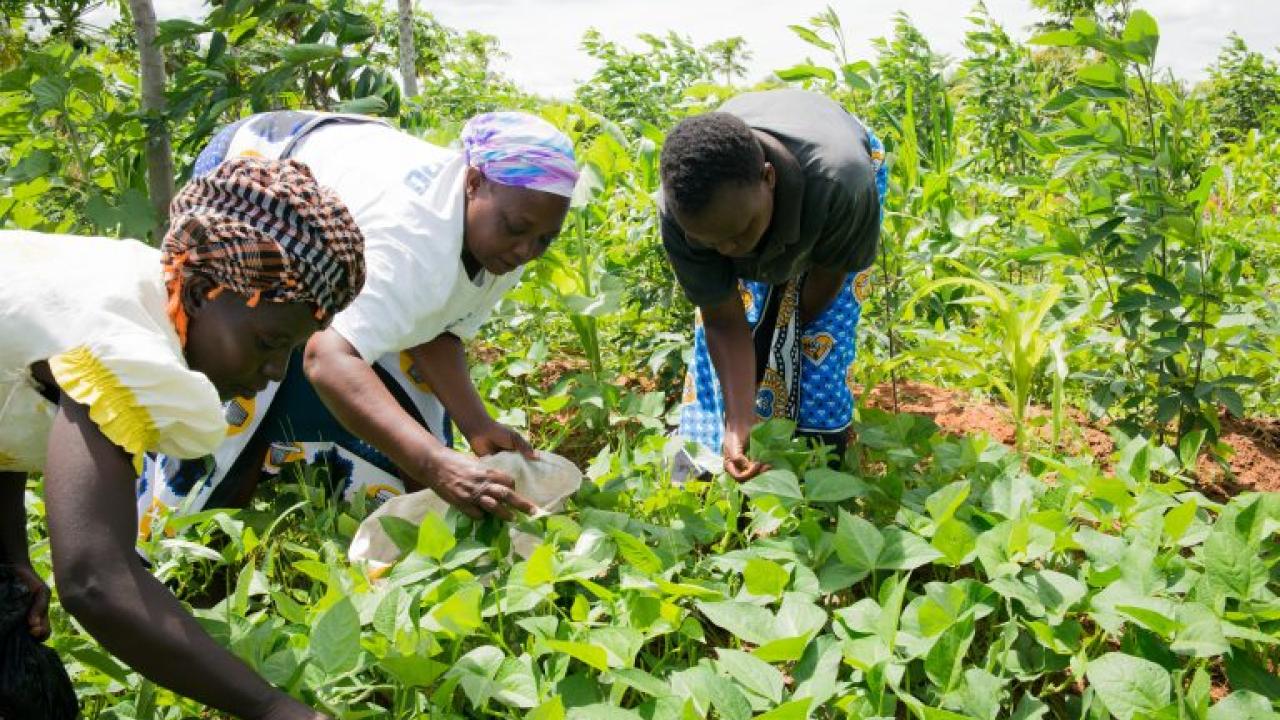
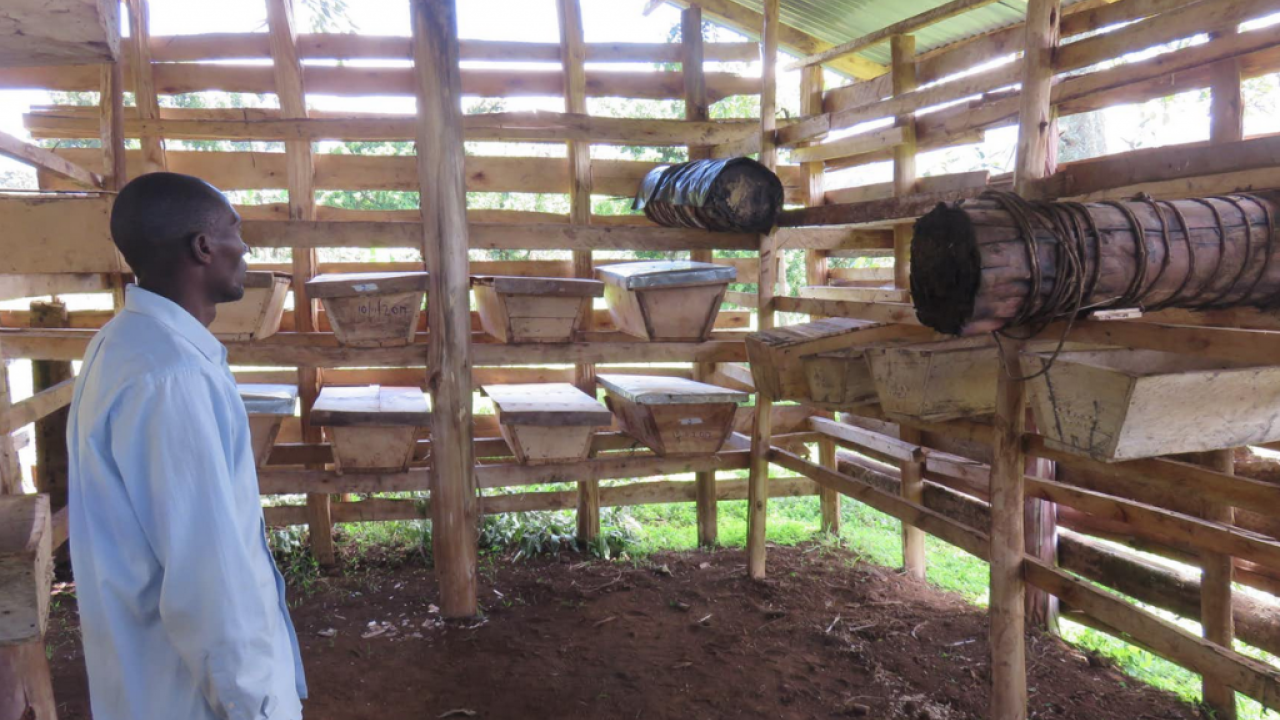
A project in Uganda, funded by ACIAR and run by the World Agroforestry Centre, is empowering smallholder dairy and honey farmers to control their own community development by gaining access to high-value markets.
From education to employment, healthcare to housing, transgender Americans fight daily for rights many take for granted. “Authentic Lives,” a new documentary from WQED, Pittsburgh’s PBS affiliate, highlights PNC as a company working toward equity and inclusion for the LGBTQ population.
Every spring, thousands of students don a cap and gown, accept their diplomas and walk into the next phase of their lives full of excitement. They’ve shed the weight of books, classes and papers, but they may still carry one thing – student loan debt.
AEG embraces its responsibility to enrich the lives of people in the communities around the world where we do business, and to use business to create...
GoDaddy, the world’s largest domain name registrar, helps millions of entrepreneurs globally start, grow, and scale their businesses. People come to...
FedEx Cares is our global community engagement program and one way that we live out our purpose of connecting people and possibilities. Our goal is to...
Truist is committed to caring for communities when disasters strike. In 2020, Truist Financial Corporation announced its first Truist Cares initiative...
This category covers areas that aren't our signature charities. Main topics can include Homes For Our Troops as well as smaller charity organizations...
Our Prescription for a Better World framework is organized around three key pillars: building healthy communities (Health in Action), protecting the...