Travellers in the Netherlands (visitors and local commuters alike) simply tap their payment cards, smartphones or wearables to ride any of the country’s trains, trams or buses — even rental bikes.
Creating and sticking with good habits isn’t easy. It takes time and repetition and requires the kind of discipline that, for many of us, is hard to access.
Every weekend, as people stumble home from packed bars and clubs in Aarhus, Denmark’s second biggest city, they leave behind a messy trail of cups, burger wrappers and pizza boxes, which clog gutters and drift into waterways.
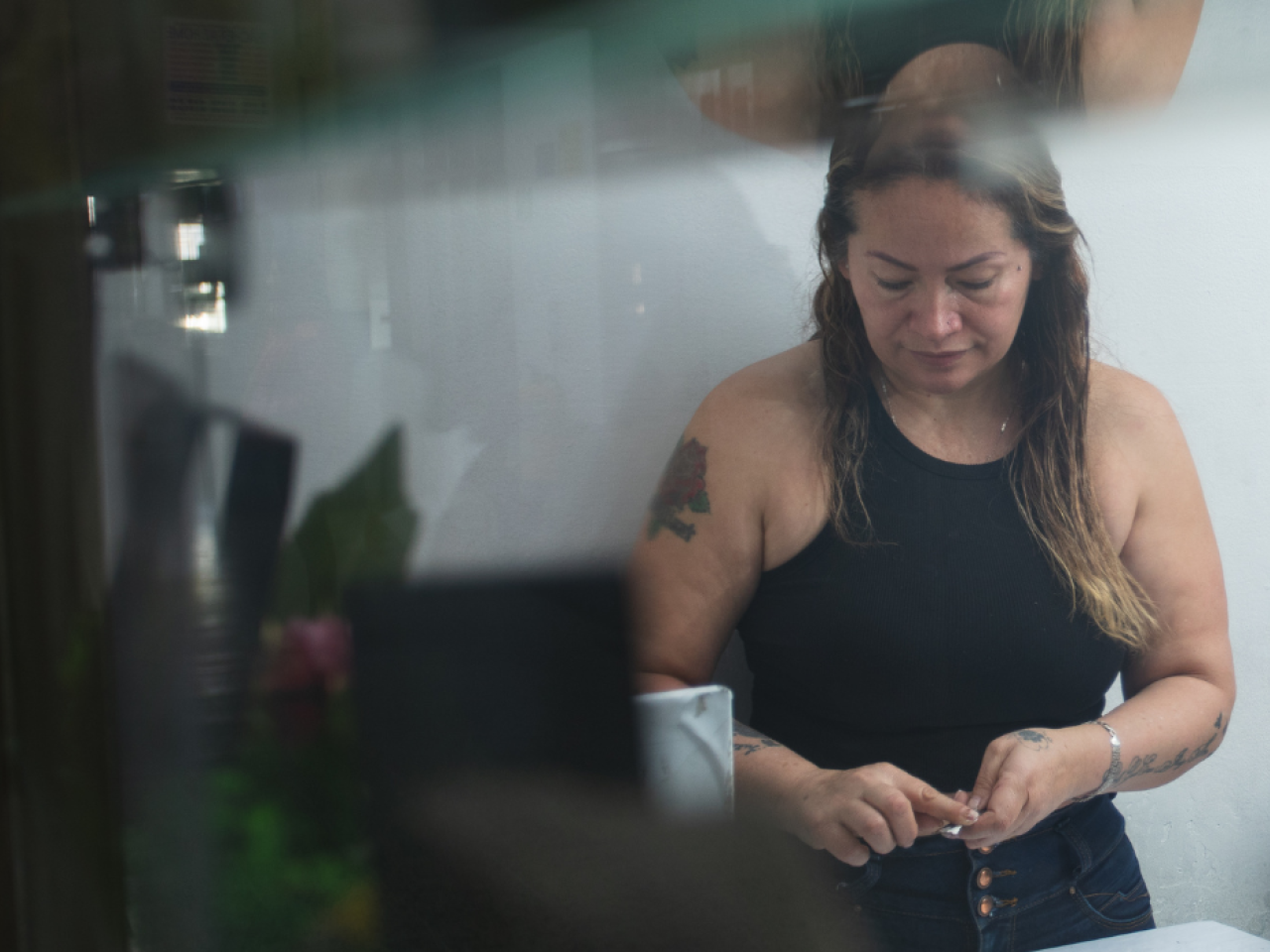
To help entrepreneurs like Rosa Rodrigues make their mark, the Mastercard Center for Inclusive Growth last month launched Mastercard Strive Colombia, part of its global initiative to help digitally transform small businesses.
Spotting an advertisement for a small business program for Ukrainian women entrepreneurs run by Poland’s Impact Foundation and supported by the Mastercard Center for Inclusive Growth, Khlibanovska decided to apply and got a spot.
Larkin recently took part in a 24-week training program combining Mastercard’s Digital Doors curriculum, which focuses on enhancing and securing digital operations, and Our Village United’s Elevated entrepreneurship effort.
At the APEC CEO Summit today, Mastercard’s Center for Inclusive Growth (the Center) and CARE, an international humanitarian organization, announced the launch of Mastercard Strive Women
The Mastercard Newsroom spoke to Franco to learn how the Inclusive Growth Score has evolved, how the new report can help leaders better understand the factors that drive equity and what’s next.
Gen Z came of age with volatility and screens. Their outlook blends digital fluency with financial caution: they want clarity, control, and immediacy—without downside surprises.
On June 30, 2021, as drought conditions and record-breaking temperatures bore down on the dry, rugged interior of British Columbia, a spark set off one of the most devastating fires in Canada’s history.
For decades, environmental sustainability was treated as a long-term ambition. In 2026, that framing is changing. Across industries, technology is accelerating progress in ways that are tangible, measurable and increasingly embedded into the day-to-day operations of businesses.
CAF –development bank of Latin America and the Caribbean– and the Mastercard Center for Inclusive Growth (the Center), today announced a partnership to support access to credit for micro, small and medium enterprises (MSMEs) across the region.
“Plans of action, not empty platitudes.” That’s how Shamina Singh, the founder and president of the Mastercard Center for Inclusive Growth, opened Wednesday’s Global Inclusive Growth Forum in Washington, D.C., and it became an unofficial through-line.
The Trust for the Americas and the Organization of American States (OAS) presented Mastercard with the 2025 Corporate Citizen of the Americas (CCA) Award during a ceremony and luncheon in the Miranda Room at OAS Headquarters.
Global development priorities, fast-advancing technologies and shifting consumer behavior are reshaping what financial health looks like and how digital innovation.
At first glance, The Way We Wore could be mistaken for an ordinary Los Angeles secondhand store with a warehouse vibe. Huge windows cast warm light onto cement floors and racks hung with an eclectic mix of clothing and accessories.
The power of today’s technologies has made payments faster, more seamless and more secure. Greater data availability means richer insights. AI is making more things possible. It’s an exciting future for all of us at Mastercard as we power commerce around the globe.
Financial health is often framed as a long-term goal: building wealth, buying a “forever home,” planning for retirement, perhaps even early retirement. But new global research from Mastercard suggests that for many consumers today, financial health is far more immediate.