At the Global Inclusive Growth Forum, leaders unpacked how digital economies, small businesses and trust in new tech can widen opportunity.
By: Vicki Hyman
Director, Global Communications, Mastercard
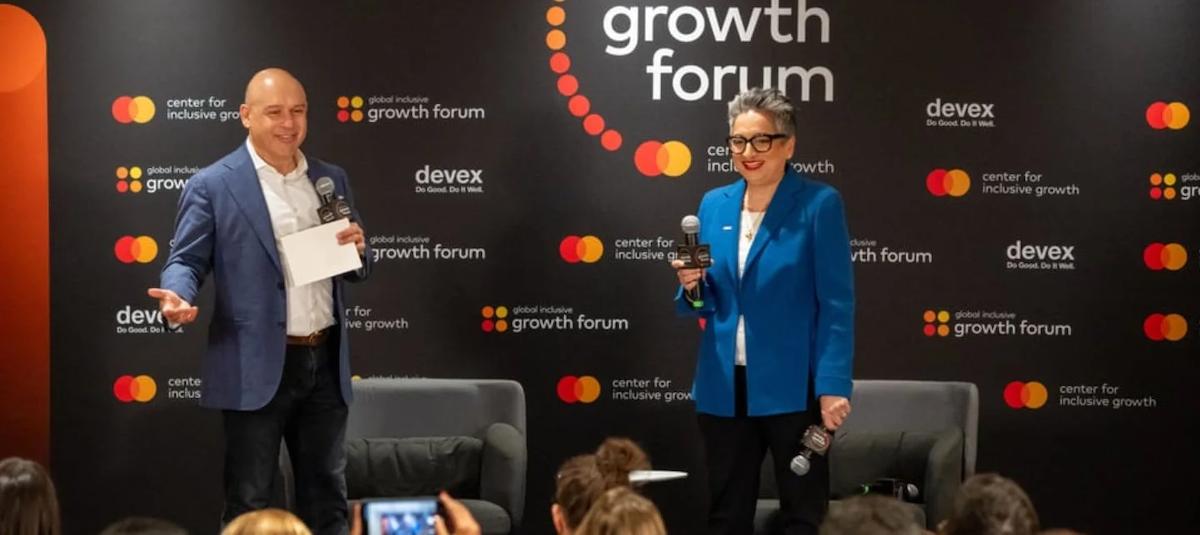
Global development priorities, fast-advancing technologies and shifting consumer behavior are reshaping what financial health looks like and how digital innovations can reach small businesses and those traditionally left behind. At the 2026 Global Inclusive Growth Forum, hosted by the Mastercard Center for Inclusive Growth in Washington, D.C., on Wednesday, leaders from across the public, private and social sectors dug into how digital economies can expand opportunity and deepen resilience. Here are six takeaways from the day.
“If AI is allowing us to rethink how everything works, that actually means there are no legacy limitations for us. We can design new systems that work for the future, that work for today, using 2026 tools. We do not have to use yesterday’s programs and tools and try to retrofit them into today’s system.”
Shamina Singh, the founder and president of the Center for Inclusive Growth, on AI as an opportunity to redesign how markets and institutions work, particularly for those left behind.
“At these events, we all talk about really big figures, but behind every figure is a life, and how they feel about their future. While we know a job on its own is not a guarantee for everything else we want to achieve, we do know that with the absence of that job we can’t make the progress we want to achieve.”
Paschal Donohoe, managing director and chief knowledge officer, World Bank Group, on how understanding personal experiences behind macroeconomic data helps achieve inclusive growth.
Global development priorities, fast-advancing technologies and shifting consumer behavior are reshaping what financial health looks like and how digital innovations can reach small businesses and those traditionally left behind. At the 2026 Global Inclusive Growth Forum, hosted by the Mastercard Center for Inclusive Growth in Washington, D.C., on Wednesday, leaders from across the public, private and social sectors dug into how digital economies can expand opportunity and deepen resilience. Here are six takeaways from the day.
“If AI is allowing us to rethink how everything works, that actually means there are no legacy limitations for us. We can design new systems that work for the future, that work for today, using 2026 tools. We do not have to use yesterday’s programs and tools and try to retrofit them into today’s system.”
Shamina Singh, the founder and president of the Center for Inclusive Growth, on AI as an opportunity to redesign how markets and institutions work, particularly for those left behind.
“At these events, we all talk about really big figures, but behind every figure is a life, and how they feel about their future. While we know a job on its own is not a guarantee for everything else we want to achieve, we do know that with the absence of that job we can’t make the progress we want to achieve.”
Paschal Donohoe, managing director and chief knowledge officer, World Bank Group, on how understanding personal experiences behind macroeconomic data helps achieve inclusive growth.
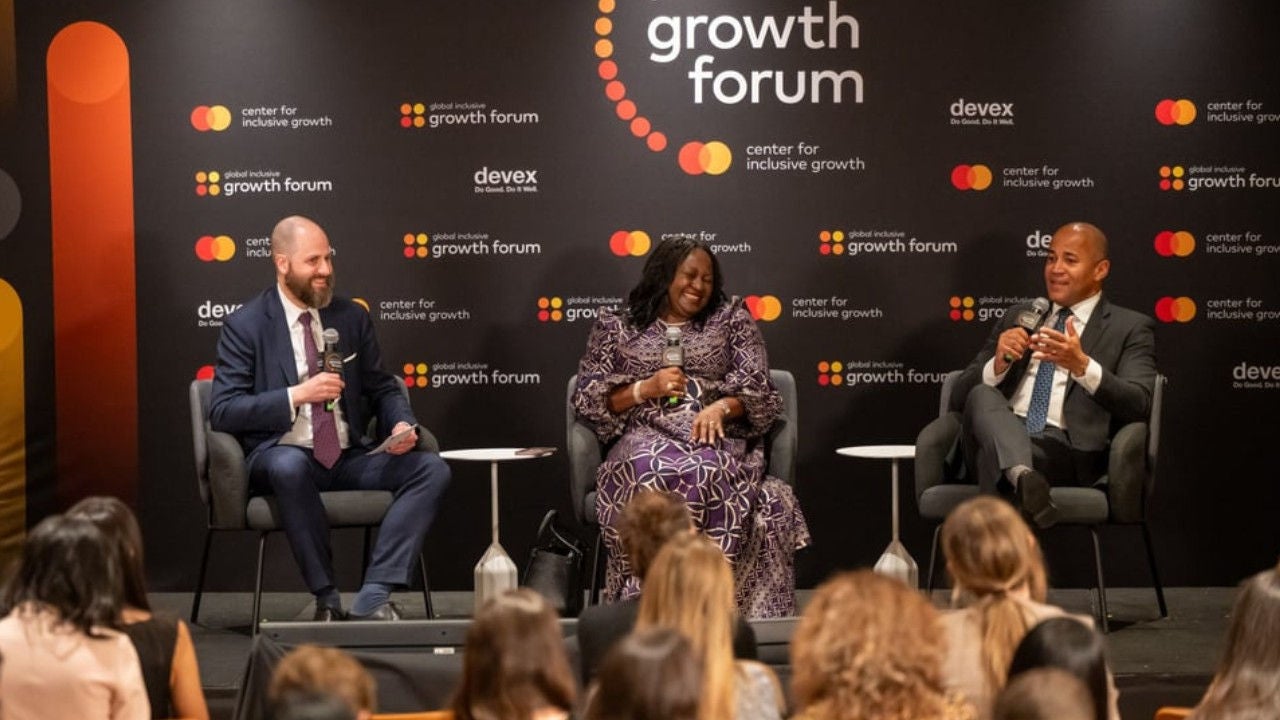
“All too often, the rise of digital currencies and stablecoins and blockchains and alternative payment systems are treated as a substitute for cash. But if you want a fast, secure, resilient, 21st-century-ready payment system, you have to also include the preservation of cash and then support widespread payment systems optionality.”
Dante Disparte, chief strategy officer and head of Global Policy and Operations at the stablecoin giant Circle, on building better payment systems.
“We want to support those people who are out there who are going to say, ‘I’m going to take the hit first. My personal financial stability is not as important as my business becoming more stable.’”
Tim Ogden, managing director of the Financial Access Initiative at NYU Wagner, on the findings of his Small Firm Diaries research, which shows most entrepreneurs aren’t chasing hypergrowth but are seeking resiliency.
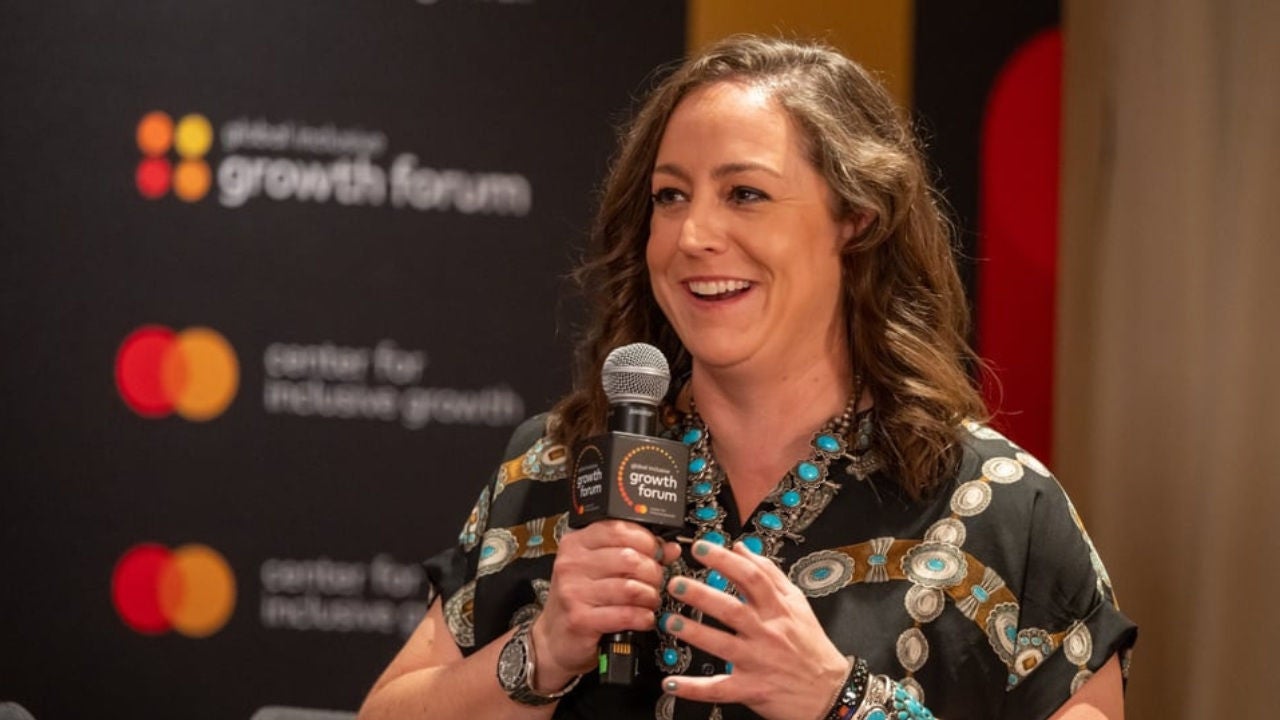
“It’s about sustaining, but not necessarily taking over the world. I want to make sure that my uniquely American craft continues to thrive, and that comes through slow, intentional work.”
Morgan Buckert, a custom artisan bootmaker based in Idaho and Texas, about being deliberate about growing her small business.
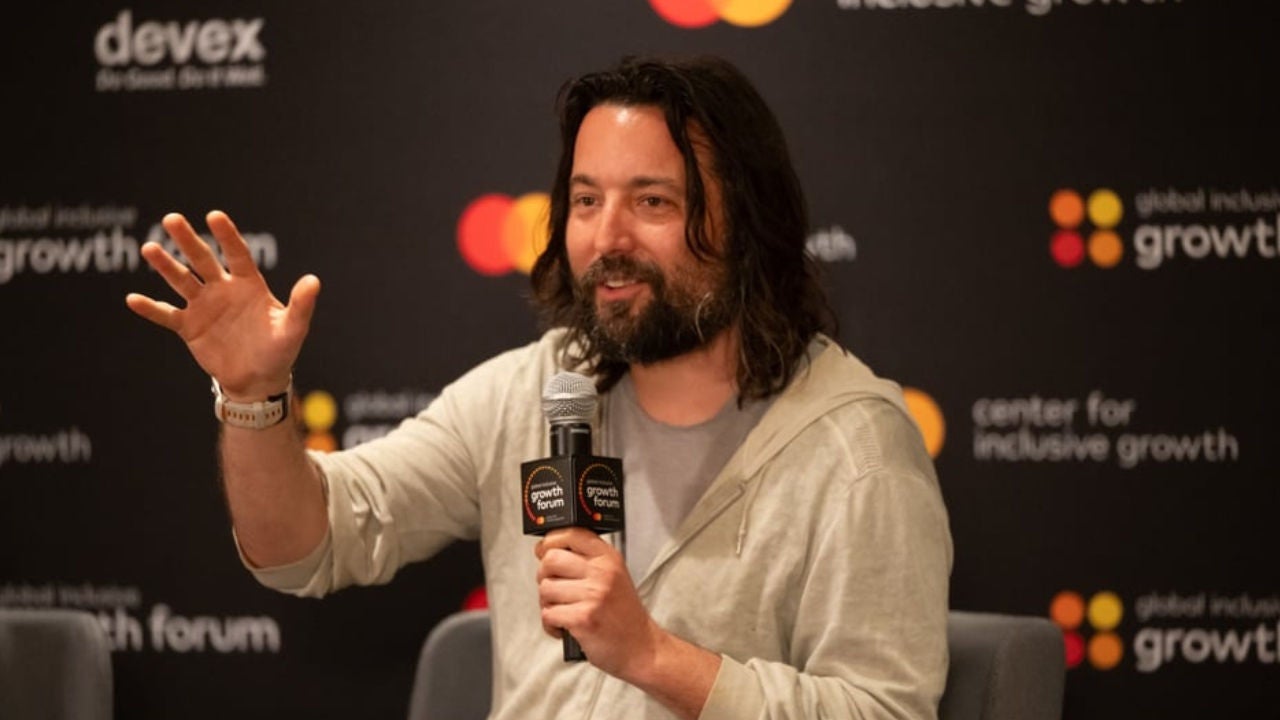
“How do you take the friction down of the reuse moment? The reason we love disposability is it’s so easy to throw something away. So if we’re going to ask someone to bring it back and take that extra effort, we’ve got to take all the friction out of it, because that’s what we’re competing against.”
Tom Szaky, founder and CEO of TerraCycle, a global leader in recycling, recycled content, and reuse, on one of the keys to scaling circular systems.
Continue reading here