Coming Together to Drive Change: How Partnerships Can Help Companies Tackle GHGs
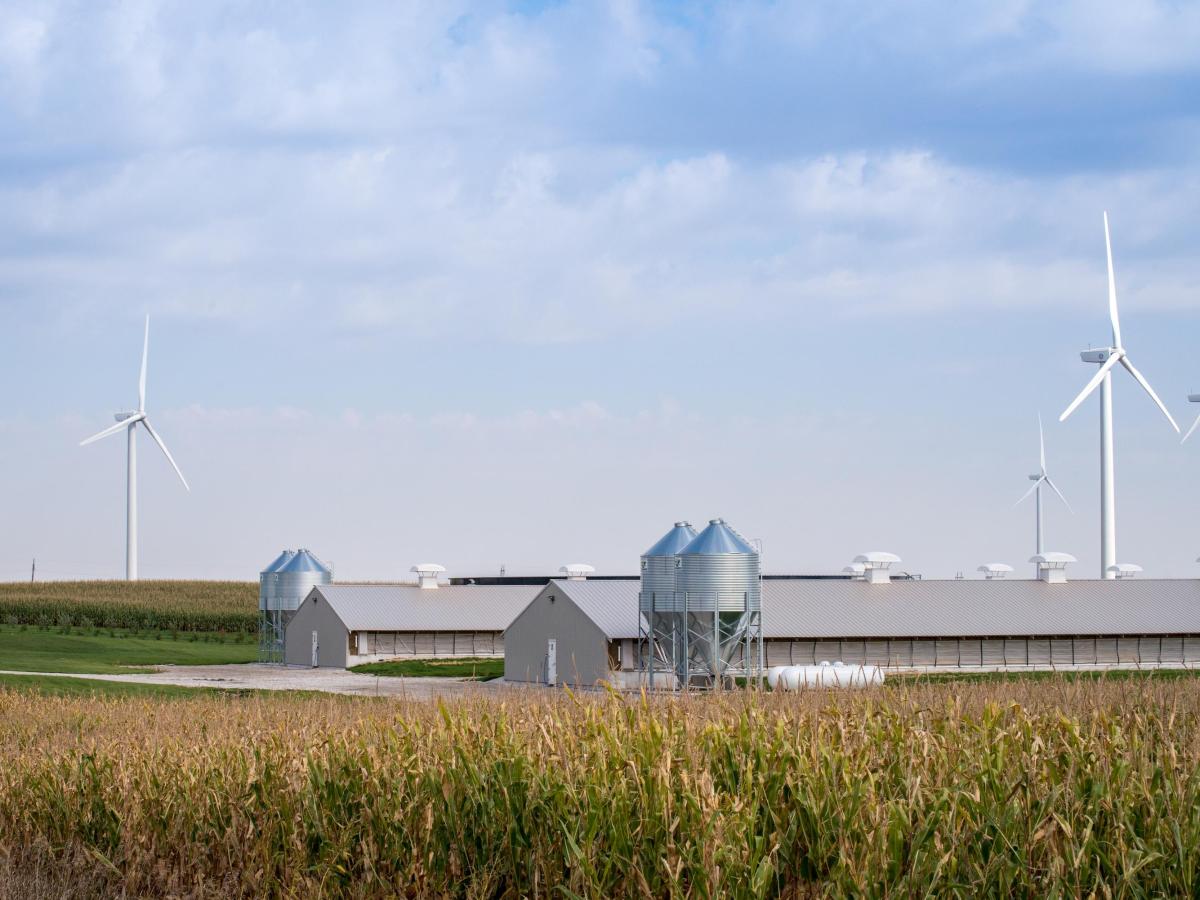
The need to reduce greenhouse gas emissions has never been greater, and engagement from the business community will be paramount. In order to make a global impact, companies must adopt a holistic approach to reduce carbon emissions across their supply chains, but no company can go it alone. In this series sponsored by Smithfield Foods, we'll explore innovative partnerships that bring businesses, NGOs, scientists, and civil society together to tackle greenhouse gas emissions and realize their shared environmental goals.

Content from this campaign

Corporate Responsibility
This Unlikely Partnership Drives Positive Change in the Food Sector
Over the past six years, Environmental Defense Fund has been working with Smithfield, the world’s largest pork processor and hog producer, to reduce greenhouse gas emissions and environmental impacts from its operations and across its supply chain.
Responsible Production & the Circular Economy
Smithfield Moves to a More Sustainable Supply Chain, Starting with Animal Feed
Smithfield Foods' supply chain includes numerous farms across the United States and Europe, and it has customers in 44 countries. Smithfield is in a unique position to have a broad sustainability impact and it says it’s making progress on this front.
Environment
This GHG Measurement Model Could Be a Game-Changer for the Agriculture Industry
There is a good reason why Smithfield Foods was the first major protein company to measure its greenhouse gas (GHG) emissions. The protein supply chain is front-loaded with GHGs long before livestock arrives at the processing facility.
Environment
Partnerships Are Important to Improving the Sustainability of Animal Agriculture
Smithfield "was the first major protein company to set an ambitious greenhouse gas (GHG) reduction goal to reduce emissions 25 percent by 2025, which is the equivalent of removing 900,000 cars from our roads," company management highlights.