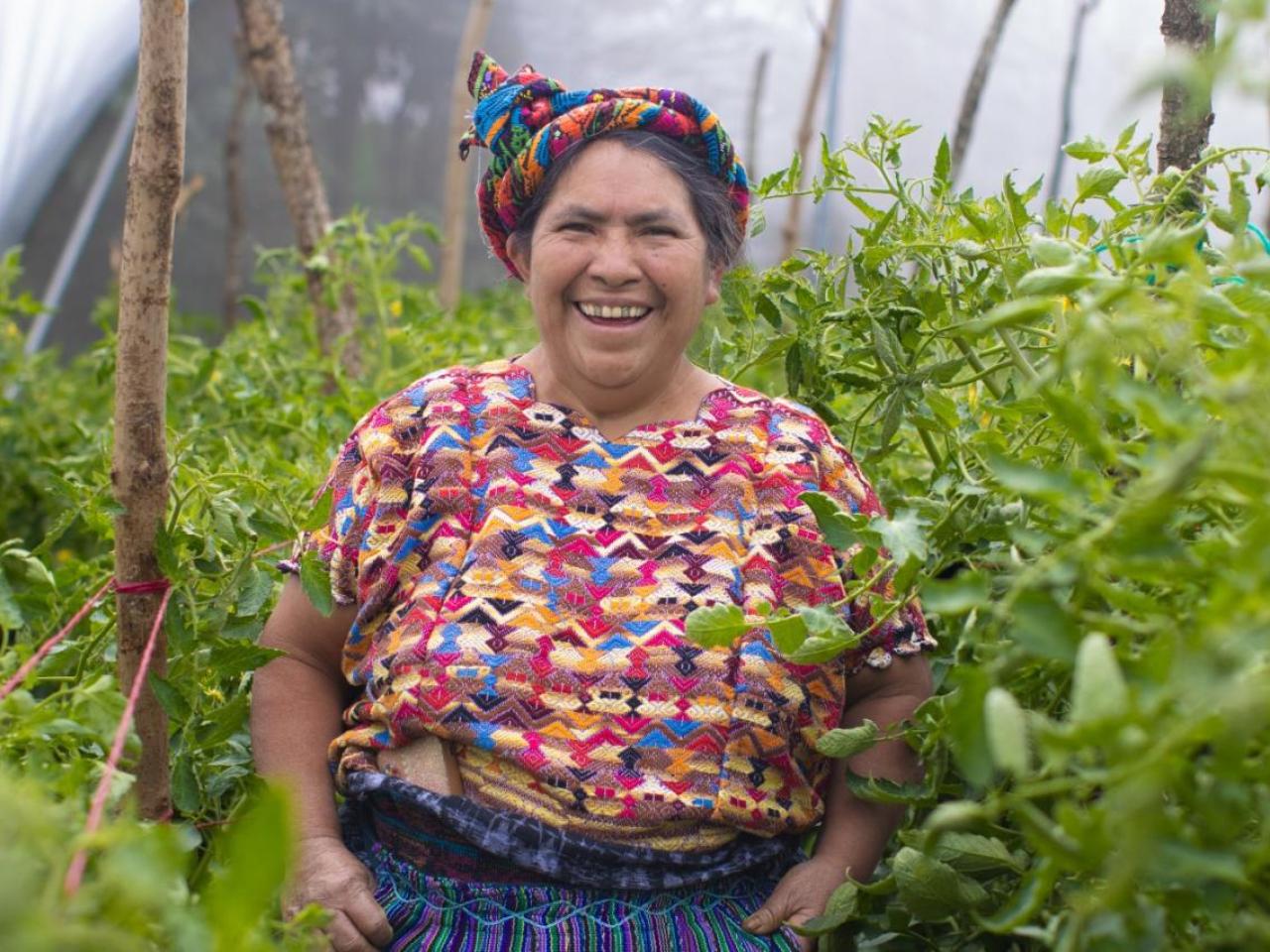
Eliza Clark, Vice President of Sustainability, Cargill Food, and Heather Pfahl, CARE's Managing Director of Agribusiness and Sustainable Food Systems, share lessons from the PROSPER III partnership on building resilient food systems.
Clorox’s ESG goals are integrated into our IGNITE strategy because we believe they drive growth and create positive value for our brands, people and communities.
The Inogen Alliance global Remediation Working Group is hosting a webinar on the topic of reusing building materials from demolished buildings on September 7
We look at each individual step within our supply chain to understand the contributors to our carbon footprint and where we believe our focus can matter most.
The U.S. Environmental Protection Agency’s WaterSense program labels thousands of products in a variety of price points, styles and finishes. Not only do WaterSense-labeled products look great, but they are also independently certified to use 20 percent less water.
Four years after it began SMASH Packaging, MilliporeSigma continues to drive significant improvements in sustainable packaging while exceeding customer expectations. The company will soon announce the next generation of its SMASH Packaging plan to reduce resource consumption.
To make snacking more sustainable, we strive to understand risks and their potential impact, focus on opportunities to lead where we matter most, and drive change where the world needs it most.
The SAP Green Token solution is a mass balance management solution from SAP that leverages tokenization and blockchain for chain of custody to help create traceability and transparency.
GRI has recently become a member of the Sustainable Purchasing Leadership Council (SPLC), an organization conformed by purchasers, suppliers, advocates, and experts committed to driving positive impact through the power of procurement.
Plastics in all their forms – from packaging waste to microplastics – are polluting our oceans, rivers, lands and drinking water. The theme of the 50th annual World Environment Day is a reminder that businesses, organisations and governments, as well as people in their daily live
Yum China, the operator of KFC and Pizza Hut brands in China, has recently launched a new pasta dish featuring citron daylily sourced from Shanxi province, as part of its Grow Local initiative that promotes the use of locally sourced produce in its menu offerings.
Cascale organizes and participates in a series of events, leveraging its position as a global convener of close to half the sector to bring together...
Chemours’ Thermal & Specialized Solutions (TSS) business sits at the intersection of chemistry, physics, and design, making it a leading provider of...
Diverse teams build better products — period. At GoDaddy, we make apps and services that our worldwide community of entrepreneurs can relate to. Our...
Cascale shares updates from its Board of Directors who serve as the principal governing body and are responsible for setting the strategic direction...
The SCS Kingfisher certification mark is showing up on an increasing number of products around the world. It differentiates companies that are making...