Life on Land

Corporate stories about Life on Land across 3BL's network.

Latest in Life on Land
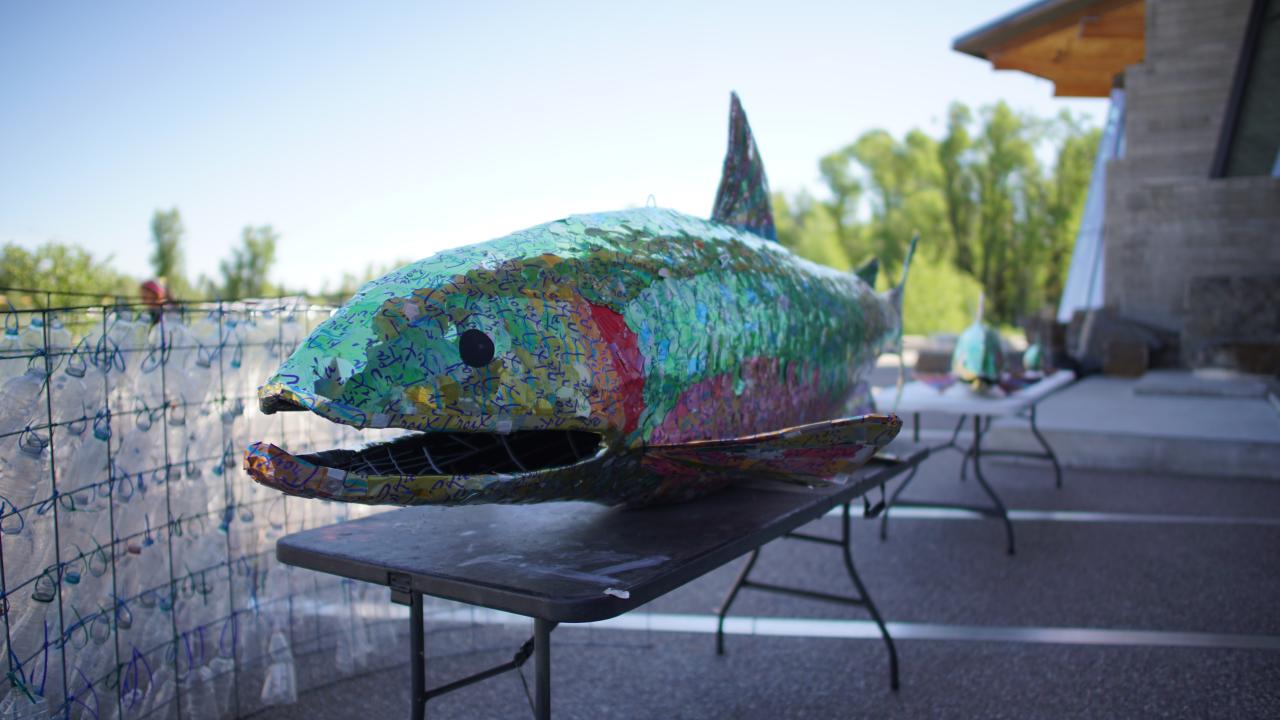
High School Recycling Design Challenge Yields Innovative Results For Subaru and Grand Teton National Park’s Zero Landfill Project
Student designers are helping to inspire recycling in Grand Teton National Park thanks to a visionary program titled, Building STEAM. This program is led by Jackson Hole Public Art in partnership with Grand Teton National Park and Teton County School District, and funded by Subaru of America, Inc. as part of its Zero Landfill Initiative. Through this initiative, Subaru shares its knowledge of zero landfill practices with the national parks and works towards a goal of significantly reducing waste going into landfills.
AkzoNobel Helping to Save the Brazilian Rainforest
A large area of Brazilian rainforest located within one of AkzoNobel's sites is being planted with around 12,000 seedlings of species native to the region as part of an ongoing project to safeguard the fragile ecosystem.
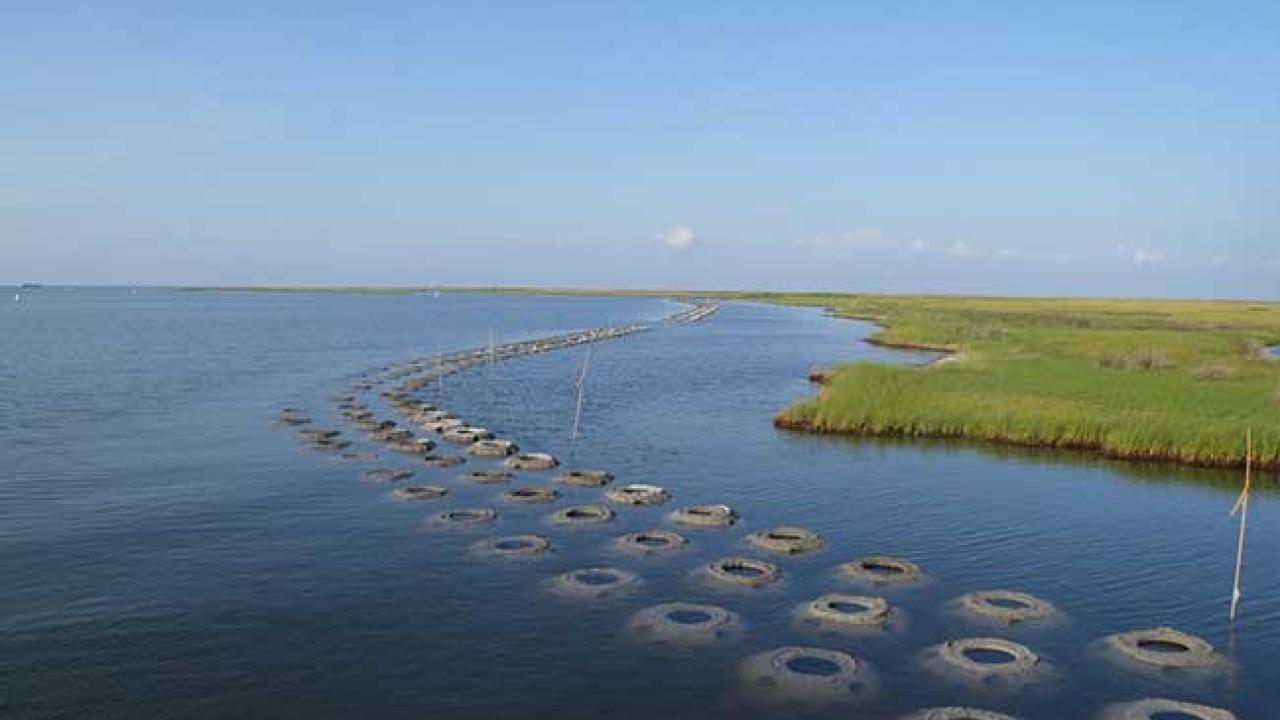
Living Shoreline Demonstration Project | Restoring and Preserving the Louisiana Coastline
The Louisiana coastline loses an average of more than 16 square miles of wetlands per year according to the U.S. Geological Survey. The Coastal Protection and Restoration Authority of Louisiana (CPRA) is the single state entity with authority to develop, articulate, implement, and enforce a comprehensive coastal restoration and protection master plan to reduce hurricane storm surge flood impact, restore Louisiana’s bountiful natural resources, build land to protect critical energy infrastructure, and secure Louisiana’s coast now and for future generations.
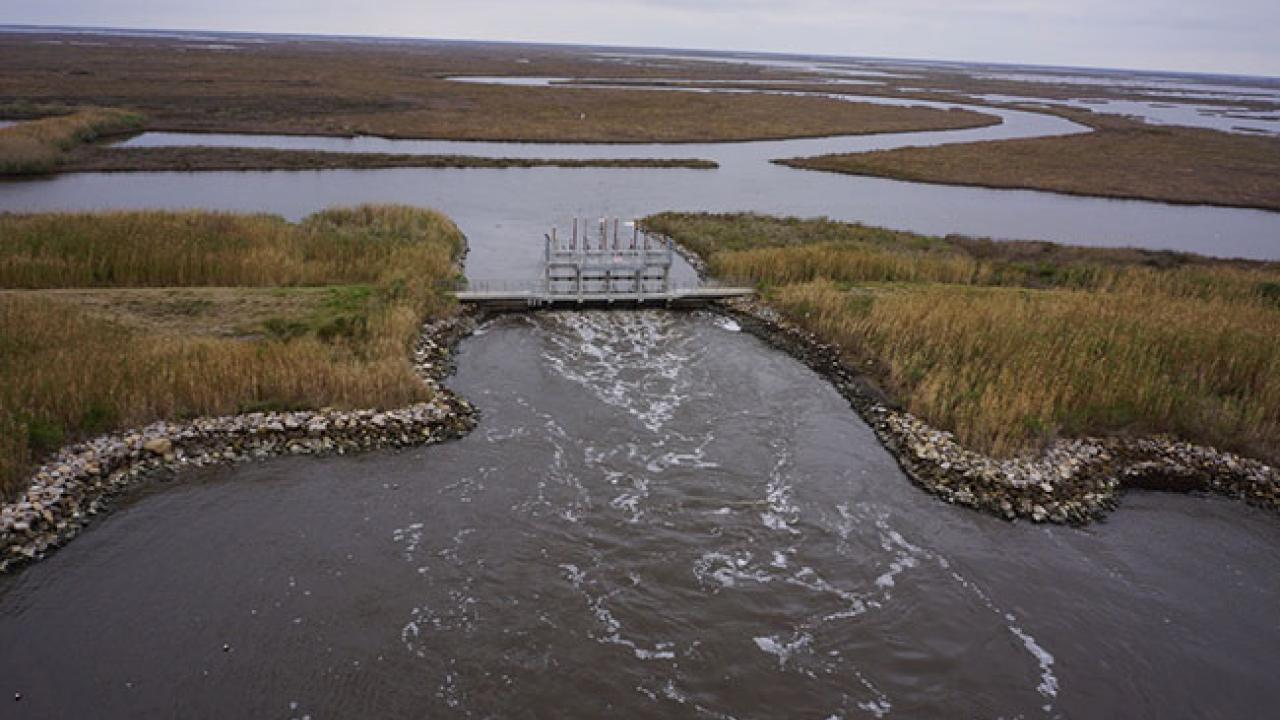
Calcasieu Ship Channel (CSC) Salinity Control Measures Project | Reducing the Rate of Wetland Loss in Louisiana
The Coastal Protection and Restoration Authority (CPRA) selected Tetra Tech to complete a feasibility study and preliminary engineering and design for the Calcasieu Ship Channel (CSC) Salinity Control Measures Project to develop and evaluate alternatives to reduce wetland loss rates.
Why a Car Company has a Pollinator Program
GM is committed to using its lands to increase and promote native biodiversity – and it encourages other companies to do it, too. Presenting at the Electric Power Research Institute Conference, Sue Kelsey, GM’s global biodiversity program manager, shared benefits of making commitments related to sustainable growth.
Bioswales on The Ray
The Ray and the Georgia Department of Transportation (GDOT) have installed five to ten acres of native grasses and pollinator plant seeds in the median and northbound lane gore area of Exit 6 on I-85 near LaGrange, Georgia.

Keep Phoenix Beautiful Launches Crowd Fundraiser for New Community Garden
A new garden is coming to life in Phoenix! Keep Phoenix Beautiful is launching a crowdsourcing campaign to raise $25,000 for their new Keep Phoenix Beautiful Community Garden. Funds raised will be matched dollar-for-dollar by Keep America Beautiful and Lowe’s, up to $25,000, bringing the potential total amount to invest in sustainable practices here in Central Phoenix and nationwide to $50,000. Donate now through Aug. 31st at http://bit.ly/helpkpbgrow.

High School Students Partner With Subaru and Grand Teton to Encourage Recycling
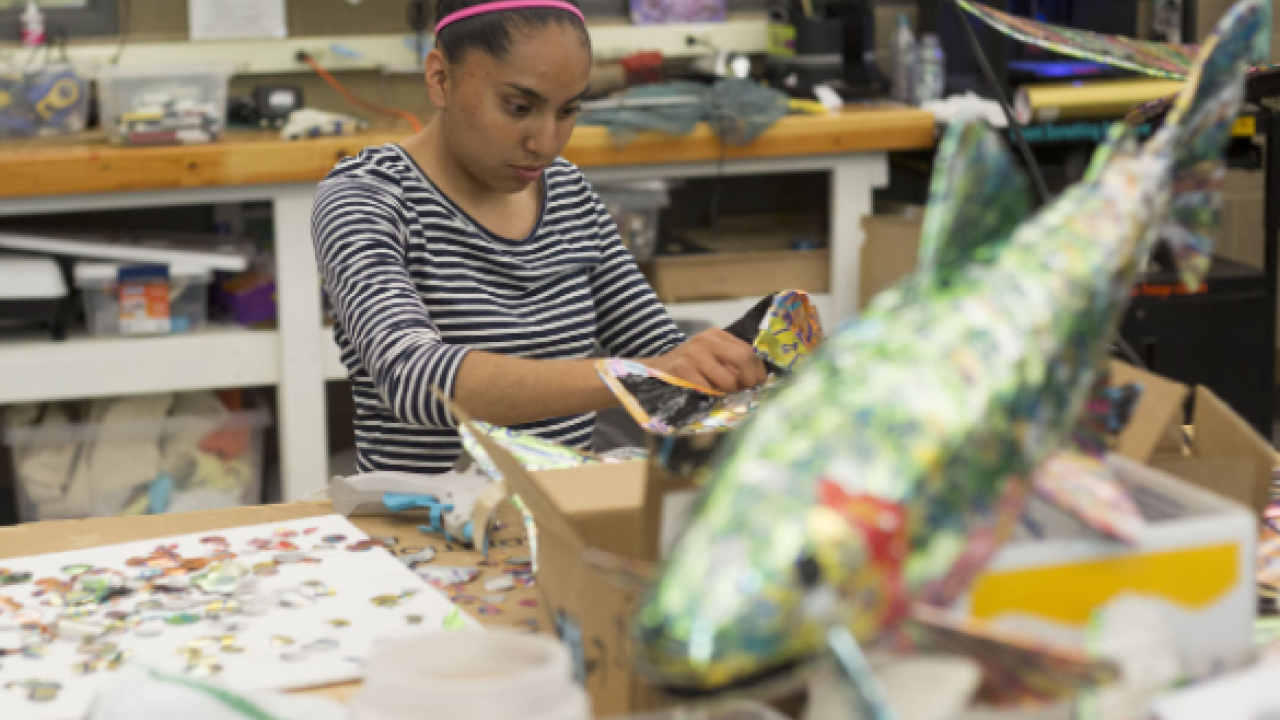
The Fab Lab is based on Stanford University’s design thinking courses and blends engineering with art. Smith said the projects exemplify the positive and real impact student work has on the community. This winter the teens pitched ideas — from drive-through recycling centers to bottle cap pinball games — to representatives from Grand Teton and Subaru, which has partnered with the park on its zero-waste initiative. The ideas were then narrowed by a panel of judges.
Consumers Energy Works to Save Michigan’s Water
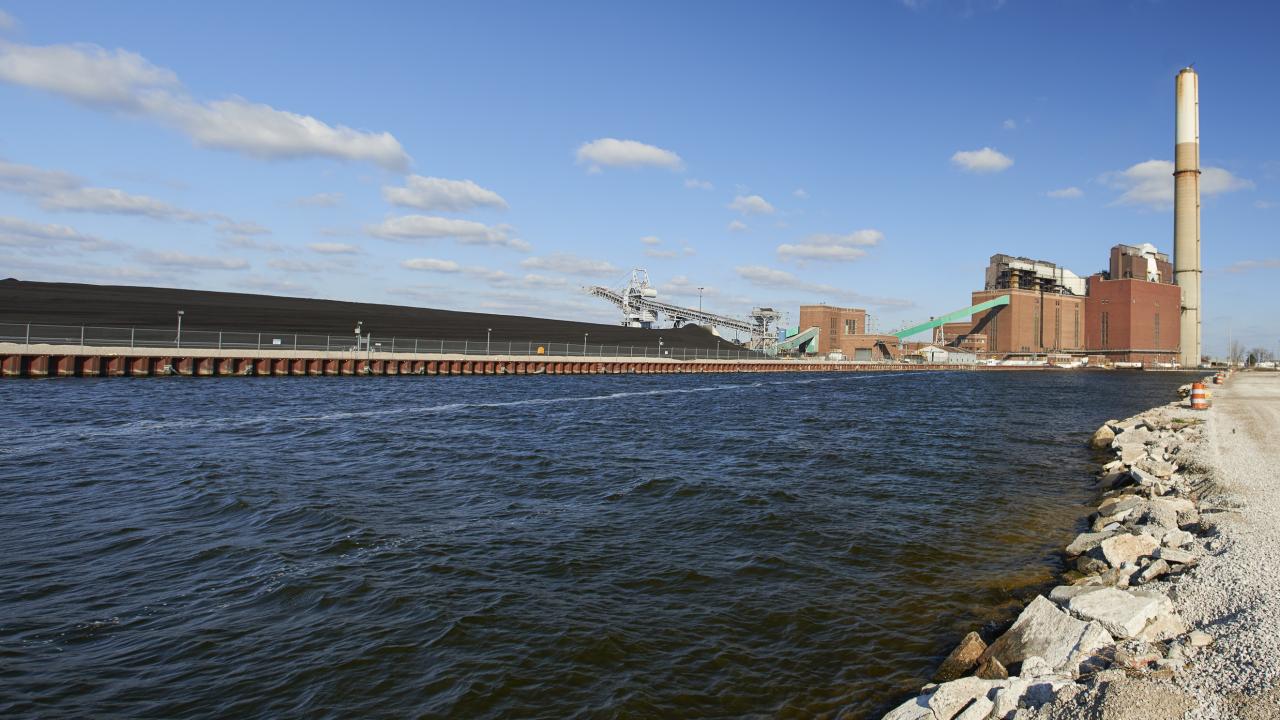
The company uses hundreds of billions of gallons of water each year, the vast majority related to producing power at its electric generating plants. But in 2016, Consumers Energy reduced water intensity — gallons used per megawatt-hour of electricity produced — by 17 percent at its electric generating plants. The energy provider is aiming for a 20 percent reduction by 2018. Reaching that goal would save more than 100 million gallons of water per year.