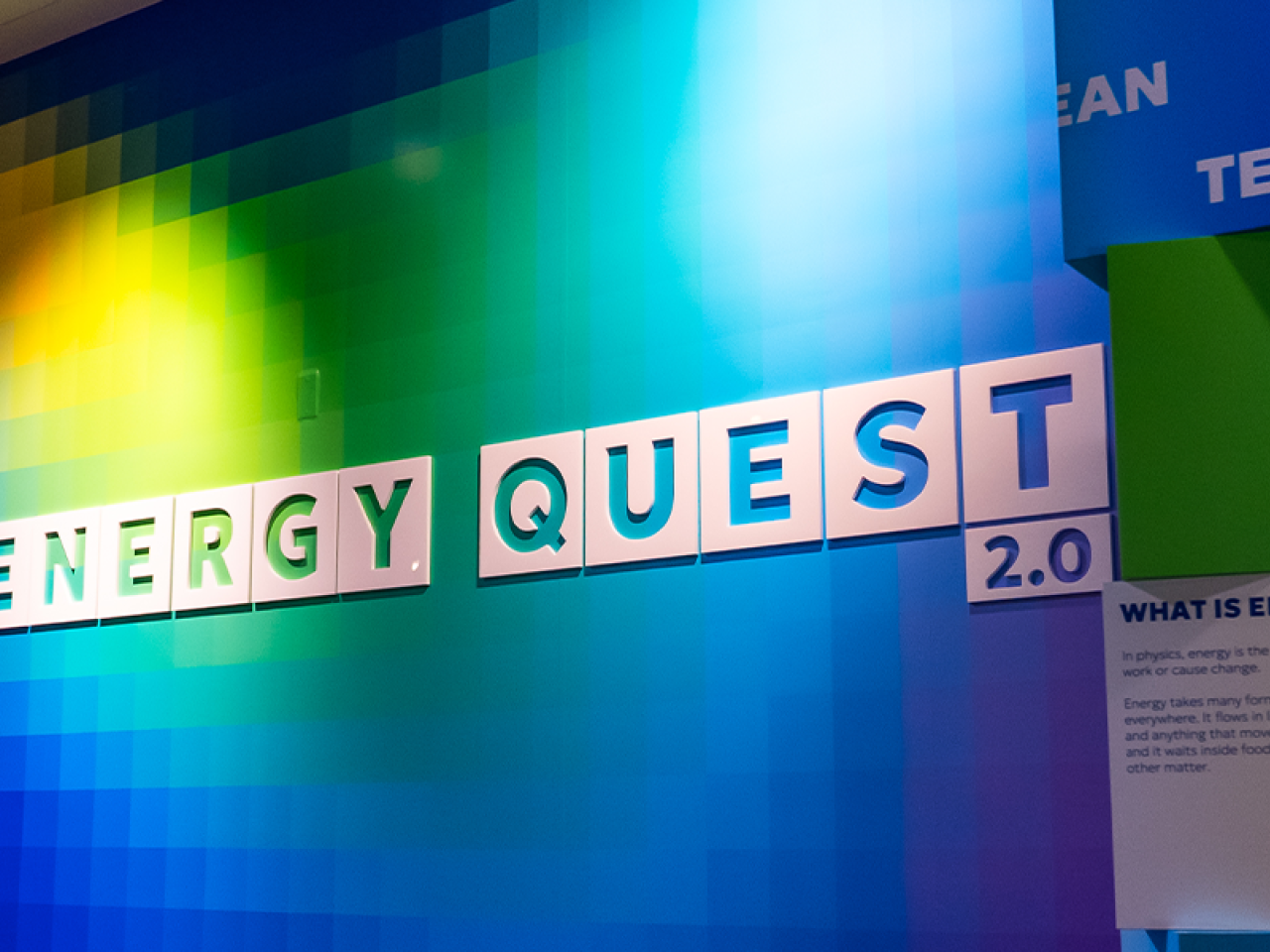
Liberty Science Center’s Energy Quest 2.0 exhibit welcomes exciting new experiences on renewable energy sources, including geothermal, wind, hydro, and solar energy.
An increasing number of enterprises are focused on going 100% renewable, driven in large part by the recent push to established science-based carbon reduction goals. Three of the supporting energy strategy trends to help enterprises achieve these goals are Power Purchase Agreements (PPAs), Virtual PPAs, and Renewable Energy Certificates. None of these is probably a term that comes tripping off the tongue of the average businessperson.
Efficient vehicles aren’t the only thing produced at GM’s Orion Assembly plant in Michigan. The home of the Chevrolet Bolt EV also generates more than half of its energy from renewable landfill gas – a feat that got the attention of the U.S. EPA’s Green Power Partnership that tracks such activity. The facility now ranks as the eighth largest user of green power generated onsite in the U.S. among Green Power Partnership Partners.
Those of us GRI-trained reporting-types know that when putting together a sustainability report, we can find ourselves lost in the details – aggregating pages of data, writing countless stories, holding hundreds of meetings with colleagues, and securing approvals for every detail of a final report. This year, it was no different for my team as we put together AT&T’s sustainability report, which we call our “Annual Sustainability Update.” But, throughout the reporting process, it’s easy to lose sight of the bigger picture associated with what we’re doing: How our more than 250,000 employees have come together – harnessing grit, passion and the power of technology – to make a positive difference for our communities, our planet, and our company.
In 2015 Caesars Entertainment Corporation (NASDAQ:CZR) and related entities generated $4.4m of contributed value for every $10m in revenue, according to the company’s seventh annual Corporate Citizenship Report.
Last month, the Environmental Protection Agency (EPA) made an amendment to their Emergency Planning and Community Right-to-Know Act (EPCRA) final ruling. The EPCRA was established in 1986 with the purpose of helping communities plan for and prevent chemical emergencies.
It’s no secret that Upstate New York – once recognized nationwide as a manufacturing leader – has yet to fully stake its claim in a globalized economy. What might still be a secret to some is how close the region is getting to reclaiming that leadership position. I won’t pretend to be an expert in the emerging fields getting us there: nanotechnology, advanced manufacturing capabilities, or anaerobic digesters enabling process waste to be converted into electricity, to name a few. But I can tell you, from my travels throughout our service regions, our customers understand them. In fact, they’ll tell anyone who’ll listen. At National Grid, we’ve made listening part of our mission.
How do you reduce the need for 50,000 truck trips a year, avoiding the air emissions equal burning 100,000+ gallons of fuel? Domtar's Hawesville, KY mill found a creative strategy to do just that.
Cascale organizes and participates in a series of events, leveraging its position as a global convener of close to half the sector to bring together...
Cascale shares updates on its strategic partnerships with industry stakeholders geared toward shifting the industry into one that gives back more than...
Advanced security, fraud, and data protection, Keeping your accounts and information secure is a priority for us, and we know it’s a priority for you...
Diverse teams build better products — period. At GoDaddy, we make apps and services that our worldwide community of entrepreneurs can relate to. Our...
Our Prescription for a Better World framework is organized around three key pillars: building healthy communities (Health in Action), protecting the...