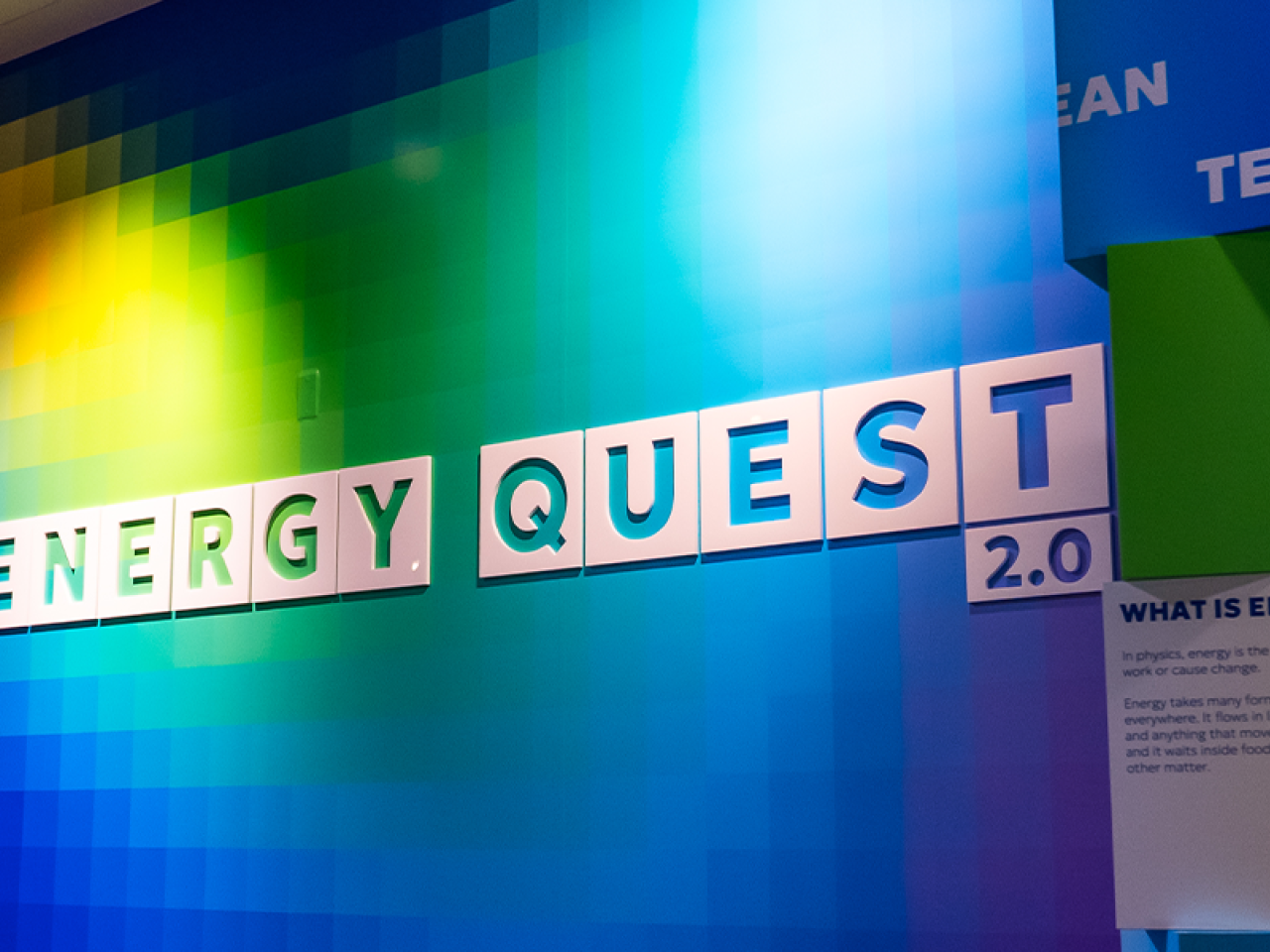
Liberty Science Center’s Energy Quest 2.0 exhibit welcomes exciting new experiences on renewable energy sources, including geothermal, wind, hydro, and solar energy.
SCS Global Services is partnering with GIGA to promote green building product transparency through origin.build, an international material data hub to increase visibility of manufacturer products and corresponding certifications to specifiers and building industry professionals.
Nanette Lockwood, global director, policy and advocacy, Center for Energy Efficiency and Sustainability at Ingersoll Rand, a world leader in creating comfortable, sustainable and efficient environments, will join other energy efficiency industry leaders at a national briefing on the 2017 edition of the Sustainable Energy in America Factbook. The event is scheduled for Feb.16 in New York.
Cars are getting smarter and more sophisticated all the time, but the roads they drive on are still pretty much pavement. That’s slowly starting to change. States are turning highways into technology laboratories for everything from traffic management to environmental sustainability.
CITGO Petroleum Corporation is teaming up with The National Energy Education Development (NEED) Project to equip CITGO employees to lead energy and science, technology, engineering and math (STEM) hands-on activities for local students.
The U.S. Environmental Protection Agency’s Green Power Partnership (GPP) will host a webinar with Center for Resource Solutions (CRS) examining the value of certification and verification in the green power market.
With eco credentials proliferating and corporations looking to capitalize on the sustainability trend, greenwashing is becoming more common. Domtar remains truthful by following the Federal Trade Commissions' Green Guides.
Delos™, a wellness real estate and technology firm, today announces a strategic alliance with Glumac, a full-service consulting and engineering firm, to accelerate the transformation of indoor environments into spaces that promote human health and wellness. The new relationship will leverage Glumac’s extensive network of sustainable building services clients to further expand the global reach of the WELL Building Standard™ (WELL), which is the world’s first building standard focused exclusively on the effects of the built environment on human health and well-being.
For years, utilities have struggled to define the more responsive operational systems and customer-centric performance models that would trumpet the arrival of Utility 2.0. Lacking a singular event marking the shift, it seems more likely a steady, incremental advance through technology deployments, analytics and a focus on customer engagement represents the path towards a continually evolving future state.
As part of its effort to encourage the growth of solar energy within its territory, Southern California Edison has received a $4 million grant as part of the U.S. Department of Energy’s SunShot Initiative, a national program to better integrate more solar into the electrical grid.
Cascale organizes and participates in a series of events, leveraging its position as a global convener of close to half the sector to bring together...
Cascale shares updates on its strategic partnerships with industry stakeholders geared toward shifting the industry into one that gives back more than...
Advanced security, fraud, and data protection, Keeping your accounts and information secure is a priority for us, and we know it’s a priority for you...
Diverse teams build better products — period. At GoDaddy, we make apps and services that our worldwide community of entrepreneurs can relate to. Our...
Our Prescription for a Better World framework is organized around three key pillars: building healthy communities (Health in Action), protecting the...