Corporate Responsibility

Corporate stories about Corporate Responsibility across 3BL's network.

Latest in Corporate Responsibility

The Rise of Social Enterprise in New Zealand
More and more, citizens and consumers are becoming socially and environmentally aware, and want their purchasing decisions to reflect their beliefs. In a capitalist society, social enterprise provides consumers with a form of activism as organizations with a social purpose open up an alternative for consumers to spend their money responsibly rather than on goods or services that ultimately perpetuate the growing global wealth disparity.
Talent Acquisition in the 21st Century and the Role of CSR
We are witnessing an unprecedented technological explosion unfold, and the number of industries and occupations with a shortage of skilled talent is growing as well. As a direct result, companies are doing more to brush up on their talent acquisition processes and finding ways to attract truly top talent. One of the best things about this is that corporate social responsibility (CSR) is getting its due attention.
Collected Insights Offer a Strategic Roadmap for Companies as They Respond to New Global Challenges
Further reinforcing trends seen over the last six months, CECP: The CEO Force for Good has drawn together its current research base to develop a series of insights designed to help guide companies as they shape their social strategies, which have gained new global importance given the unique role they are suited to play in this time of sociopolitical uncertainty.
Showing Up Matters
Job descriptions for corporate responsibility practitioners commonly include references to supply chain, community engagement and sustainability reporting. Now, add lobbying to the list.
Unreasonable Impact | Innovation: Sexy, But Not Always Right
For much of the past 25 years, I’ve dedicated my time to figuring out how mobile technology might help support positive social and environmental change in the developing world. During that time, I created FrontlineSMS, an open source software for grassroots organizations to distribute and collect information via text messages, and it was built from the ground up to reach global scale. Along the way, I spent time living and working in many communities where I both led and witnessed development projects firsthand. I’ve seen attempts at innovation go well, and I’ve seen others crash and burn.
Unreasonable Impact | Modern Energy Could Mean the Difference Between Peace and Unrest
When we think about the things we take for granted, one of the most common is access to basic energy. Turning on a lamp so you can teach your children how to read, watching the evening news, or working into the night on your computer are all basic acts that most of us don’t even consider to be a privilege. Over 500 million people have a mobile phone without a place to charge it at home – a basic convenience needed to conduct commerce.
UPS Commits to More Alternative Vehicles, Fuel and Renewable Power by 2025
UPS (NYSE: UPS) today announced aggressive new sustainability goals to add more alternative fuel and advanced technology vehicles to its fleet while increasing its reliance on renewable energy sources.
UPS
Unreasonable Impact | Rescuing Old Clothes From Landfills by Turning Them Into New Fabric and Fuel
Jeplan envisions a circular world in which we take all used or unwanted personal belongings, recycle the materials, and then sell them as new products. Starting with cotton and polyester, this company is reimagining waste disposal, which reduces the use of petroleum and diminishes carbon emissions. Based in Japan, Jeplan has established collection points around the country in collaboration with major retail and apparel brands to gather discarded clothes. Then, Jeplan sells the final products back to these brands and their consumers.
Unreasonable Impact | India Faces a Massive Waste Crisis, But Not For Long
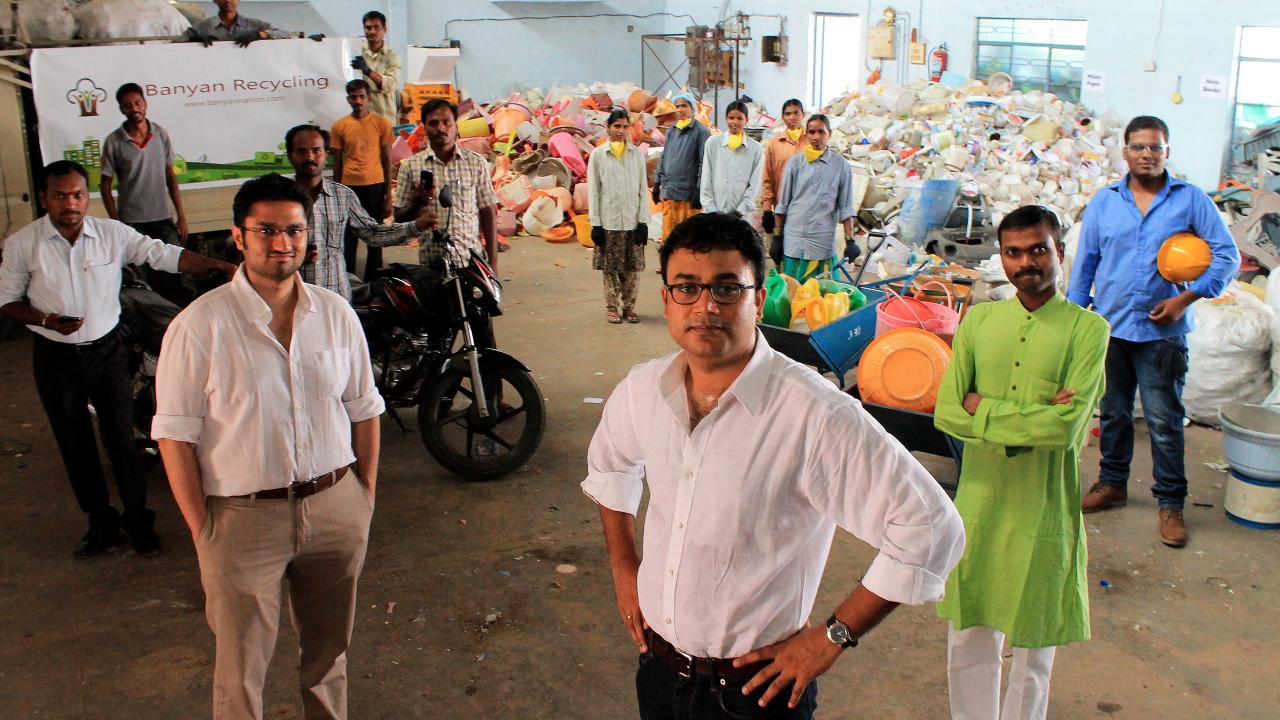
Banyan Nation is changing the way India recycles and thinks about waste management and sustainability by focusing on plastic. Currently, the quality of plastic recyclate is very poor. An award-winning company, Banyan Nation is building one of India’s first vertically integrated, formal recycling businesses by leveraging simple mobile technology applications. They aggregate informal sector collectors and innovative plastics recycling technology to create “Better Plastic” – good for the industry, society, and environment.
The First Intelligent Truck Axle
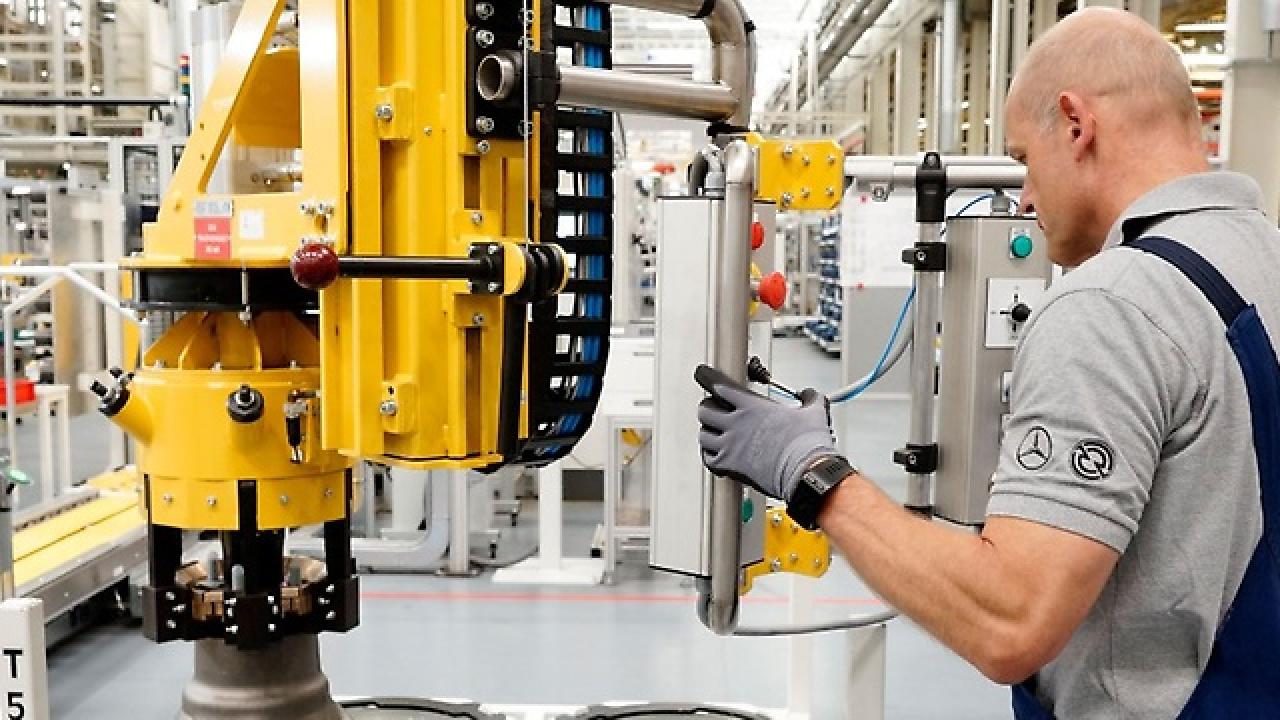
In addition to the weight savings, the New Final Drive (NFD) particularly benefits from the actively controlled oil regulation in the final drive, the heart of the axle. This technology and type of construction is without parallel worldwide: the lubricating oil is supplied as needed depending on the speed, torque and temperature. Intelligent oil management minimises the swirl of liquid in the final drive and thus reduces the friction loss from the gears turning in the oil bath. The New Final Drive axle completes the second generation of the Integrated Powertrain from Daimler Trucks and results in fuel savings of up to 6.5 percent for the Mercedes-Benz Actros compared with its predecessor.