Corporate Responsibility

Corporate stories about Corporate Responsibility across 3BL's network.

Latest in Corporate Responsibility

Help Solve Homelessness at Cisco Live US 2019
Homelessness is an outcome of severe and growing economic inequality, with factors such as slow wage growth, downsizing of some industries, or skyrocketing rents. Anyone is at risk of becoming homeless: your neighbor; your colleague; your friend. While treating homelessness is helpful, Cisco believes that solving homelessness is our responsibility.
Supporting Local Communities Through Second Annual Global Legal CARES Day
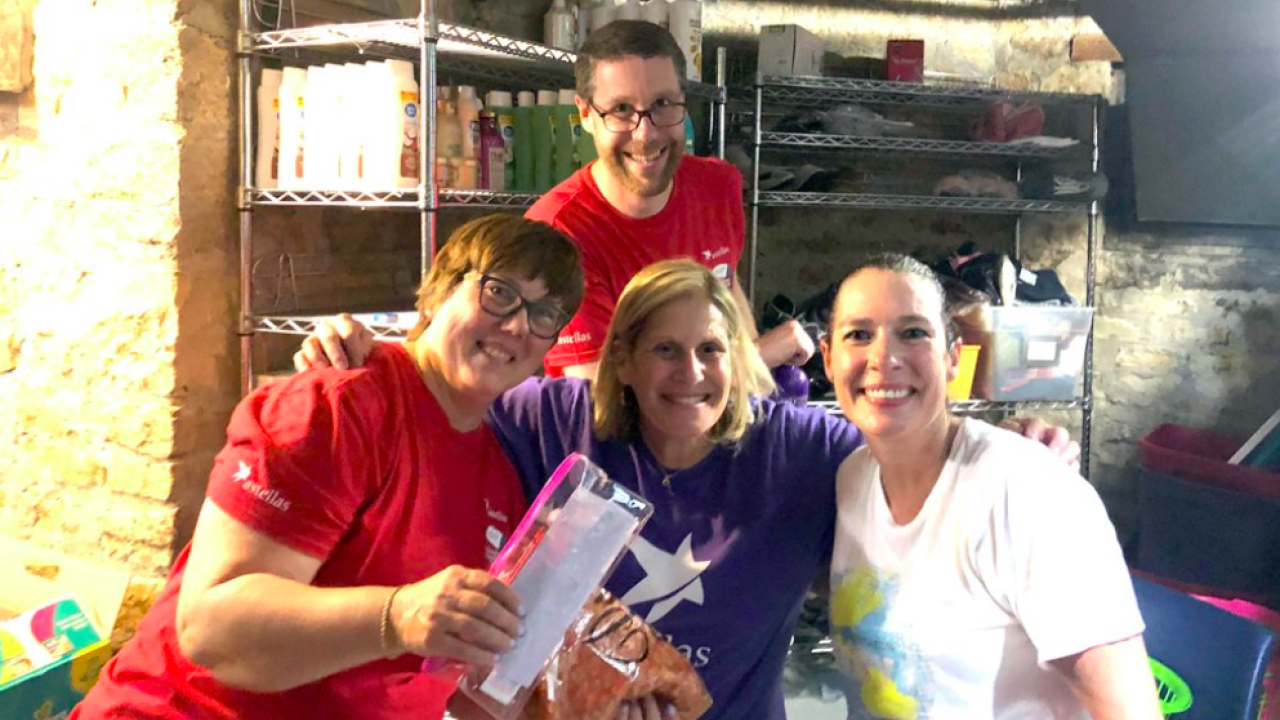
In May, Astellas celebrated its second annual Global Legal Community Advocacy, Representation and Service (CARES) Day. Globally, employees from the Legal and Intellectual Property (IP) departments gave back to their local communities through volunteerism and pro bono legal advice in a series of events throughout the month of May.
India’s Largest Wine Producer Is Helping Its Customers Sip More Sustainably
Last year, global wine production rose to near-record highs, reaching a harvest of 292.3 million hectoliters – that’s more than 7.7 billion gallons. In the U.S. alone, domestic and imported wine sales reached $70.5 billion. The world clearly loves wine.

But, few industries feel the perils of climate change more directly than the wine industry. And with temperatures expected to only become more extreme, wineries are being forced to consider the long-term risk a changing climate will have on their business.
Barilla “Good for You, Good for the Planet” – 2019 Report
Barilla Group has released its new Sustainability Report.

It represents the opportunity to share the path taken by the Company with society at large and to give a concrete contribution to the United Nations’ Sustainable Development Goals, part of the 2030 Agenda.
Celebrating the World Environment Day - Tetra Pak Sustainability Reporting Reaches 21-Year Landmark
Over the past two decades the company’s approach to sustainability reporting has evolved significantly, from focusing on environmental commitments and actions in the first report in 1999, to evaluating every part of the business and its impact, including societal and supplier governance. Adopting a mix of self-assessment to aligning with Global Reporting Initiative (GRI) guidelines, as well as supporting the United Nation’s Sustainable Development Goals (SDGs) through a process called materiality assessment to ensure the company can make the biggest possible impact.
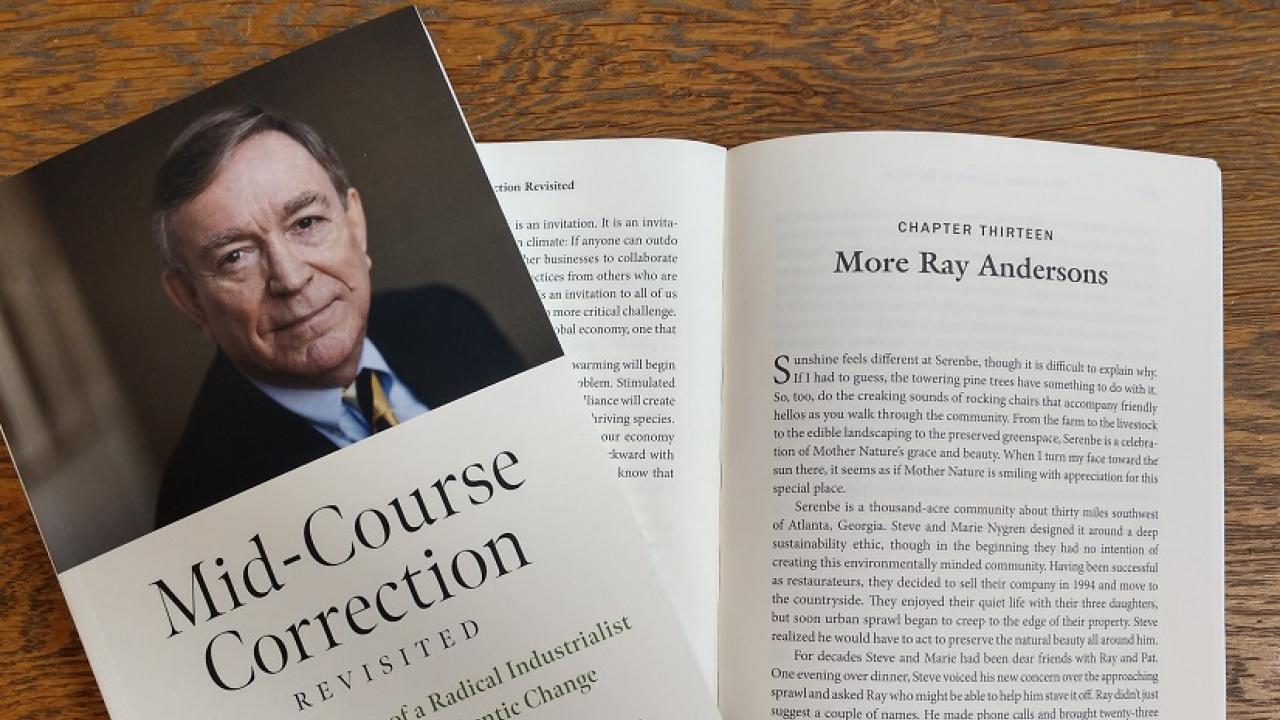
Ecocentricity Blog: More Ray Andersons
Ray Anderson believed in the “Power of One” and so do the staff and trustees at his namesake foundation. One community, one organization, and even one person can have far-reaching influence beyond that which might seem possible.
The Private Sector Must Take Urgent Action to Stop the Deterioration of Ocean Health, Says New Report
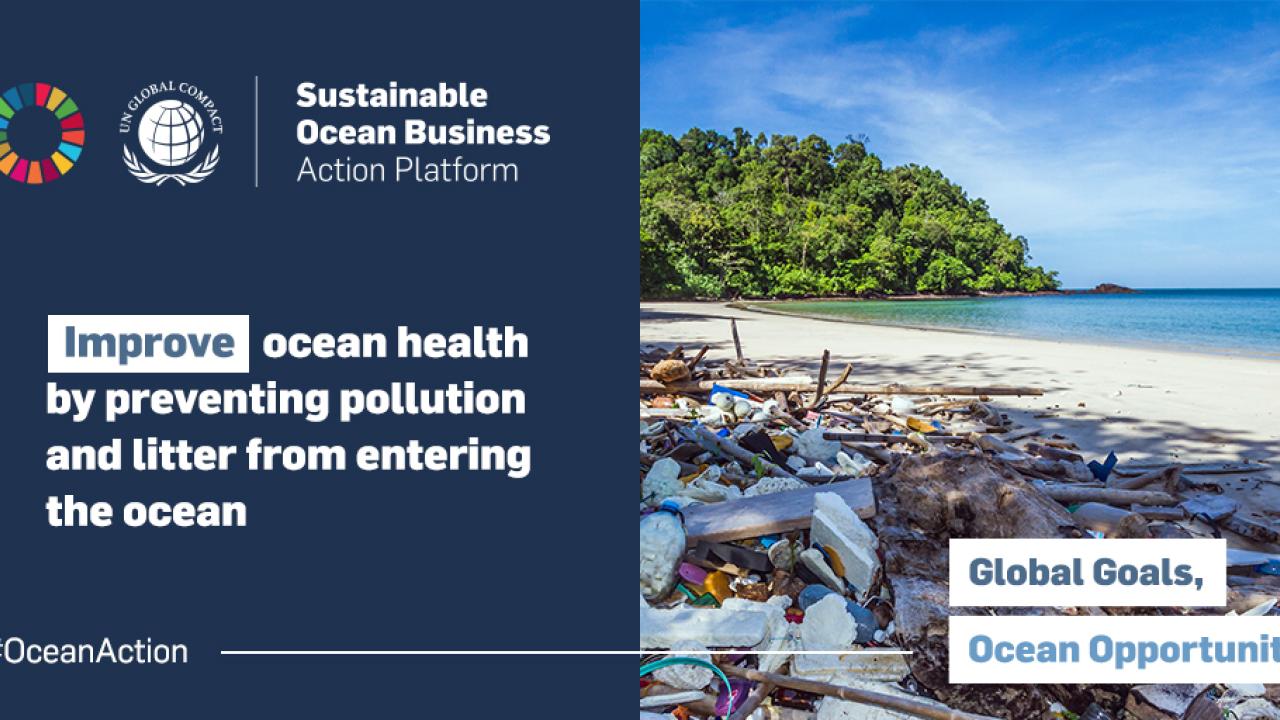
Private companies have a vested interest in maintaining and improving the health of the ocean, according to a new report published by the United Nations Global Compact and developed in consultation with 300 representatives of business, civil society and academia. A healthy marine environment is not only necessary for many companies’ long-term operations, but it can offer significant business opportunities too.
MilliporeSigma Expects Extra Cost of Sustainability to 'Wash out Over Time'
Business-to-business (B2B) companies should be considering the sustainability of their packaging as much as consumer goods companies, according to pharma firm Merck, KGaA, Darmstadt, Germany.
Building Nonprofit Technology Capacity Through Tech Pro Bono
Transforming Technology Pro Bono is a practical guide released by Taproot Foundation and VMware for companies, philanthropies, and volunteers who are looking to offer pro bono as well as nonprofits who are looking to lead their own technology pro bono projects. In this compilation, new research is combined with the previously released Solution Development Framework to provide a comprehensive approach infused with best practices from the technology sector.
Flipping the Narrative on Automation in the Workplace
For years, the dominant "future of work" narrative has been one of divisions, contrasts, and competition. But what if there’s a counter-narrative? One where technology augments (not replaces) humans. One that’s less about skills training and more about nurturing human capabilities. And one where we partner across cultures, sectors, and continents to extend our capabilities.