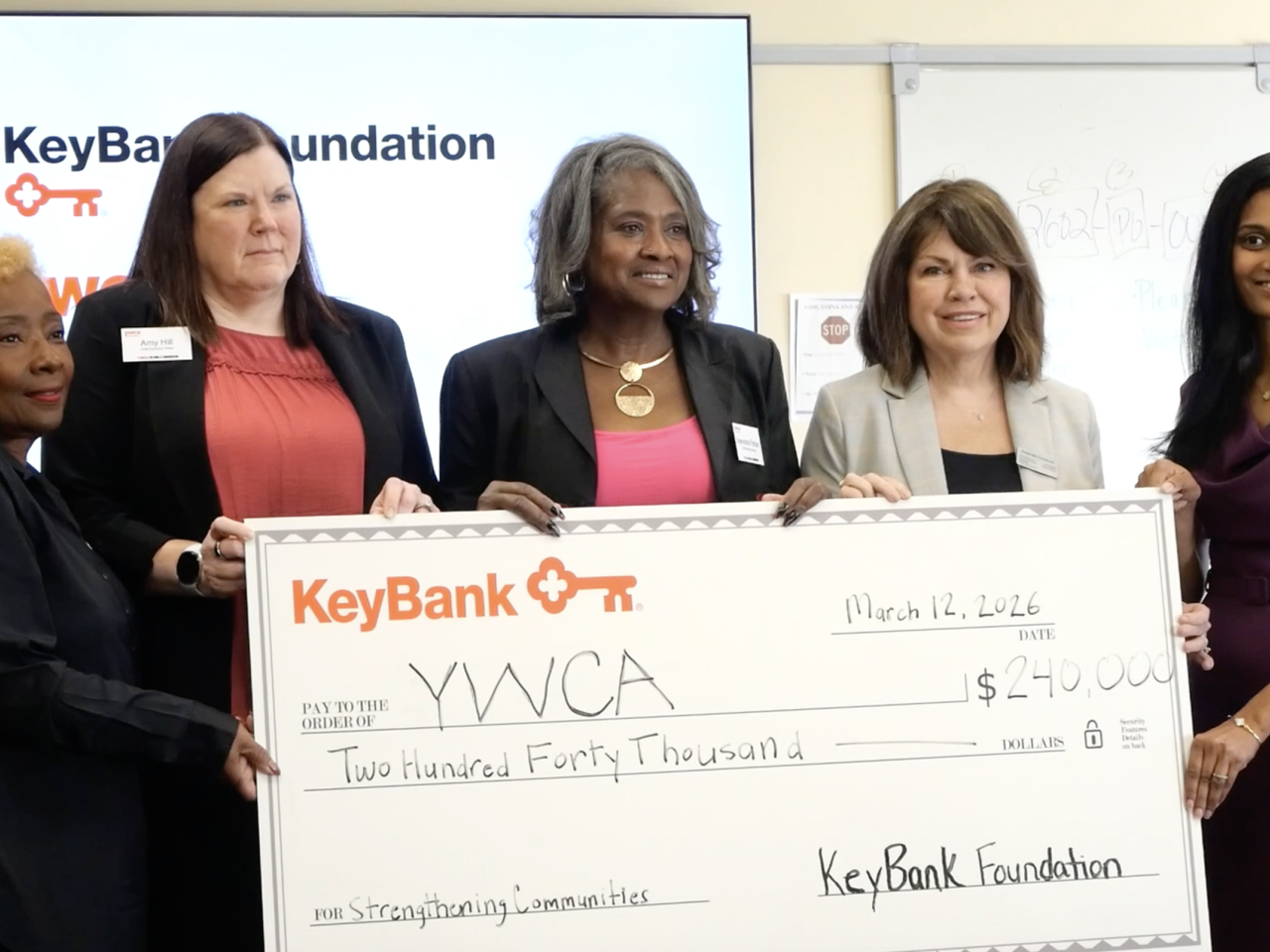
The KeyBank Foundation announced an investment of $240,000 in YWCA North Central Indiana’s Strengthening Communities Initiative, a comprehensive program designed to enhance the social and economic well-being of survivors of abuse.
Trane® is announcing that its Series R® RTWD water-cooled chiller for commercial and industrial buildings is now available for customers in North America and the Middle East who are ready to transition to systems with lower global warming potential (GWP).
There is often a misperception from investors (as well as asset managers and advisers) that responsible investment practices detract from investment performance.
This is a big week. One of the most prodigious companies in the world, Apple, announced the ability for charities to receive donations via Apple Pay. And we’re pretty excited to play a role by enabling charities from the Benevity Causes Portal to gain access to this new way to donate that’s fast and convenient.
The Circle of Aunts and Uncles is a group of 35 friends in the Greater Philadelphia area who have come together to invest in relationship- and place-building by providing low-interest loans and a network of social capital to worthy, under-resourced entrepreneurs in their city. As the Circle’s founder Judy Wicks, former owner of Philadelphia’s legendary White Dog Café and author of Good Morning, Beautiful Business, explains, the Circle’s goal is to co-create, the “diverse, inclusive, and joyful community that we all want to live in.”
A textile company transforming trash into thread and a venture employing a wind system that generates high-voltage energy without turbines are amongst projects being supported to tackle societal and environmental problems.
Responsible investing has gathered momentum across the world in the past decade as investors look for financial returns while helping to achieve a positive impact on the world around them.
The 24th National Parents Meet in Jalandhar, Punjab was a potent mix of passion, gritty determination, and celebration. From across India, several hundred family members of people with developmental disabilities came together, along with their sons and daughters, to meet, plan, share, learn, and celebrate the hard-won gains they have made.
The mining industry is increasingly leaning on technological innovation to improve safety, operational efficiencies and performance. With that comes the requirement for extensive and intelligent communications networks, all laying the foundation for the Industrial Internet of Things (IIoT).
Two-thirds of asset management professionals surveyed (65%) say that they are using sustainable investing strategies to achieve competitive market-rate financial return alongside positive social and/or environmental impact.
In states where Key has a presence, there are approximately 1.7 million low- to moderate-income (LMI) households. Many LMI individuals don’t have bank...
Diverse teams build better products — period. At GoDaddy, we make apps and services that our worldwide community of entrepreneurs can relate to. Our...
Everyone’s financial journey is different. We make intentional efforts to meet the individual needs of clients and communities through a diverse range...