Environmental Policy

Corporate stories about Environmental Policy across 3BL's network.

Latest in Environmental Policy

Colorado Businesses Applaud Governor’s Move to Adopt Advanced Clean Car Standards
Influential businesses praised Colorado Gov. John Hickenlooper’s decision this week to reduce transportation emissions and adopt a program that would put more clean and efficient cars on the road. The program, known as Advanced Clean Cars (ACC), will boost Colorado’s economy by increasing fuel cost savings, reducing health costs, and curbing greenhouse gas emissions.
The Bellona Foundation and Carnival Corporation & plc Sign Agreement to Continue Improving Sustainable Cruise Tourism
The Bellona Foundation and Carnival Corporation & plc, the world’s largest cruise company with nine global cruise line brands, have signed an agreement of cooperation where the parties agree to work together to continue improving environmental and sustainability impact. The newly formed cooperation is based on the two parties’ shared vision of an even more sustainable cruise industry in a future zero emission society.
Schneider Electric to Improve Energy Security and Resiliency at Fort Huachuca and Drive $63 Million in Savings
Energy and sustainability expert Schneider Electric today announced it is working on a $24 million project to improve energy security, resiliency and efficiency across Fort Huachuca's facilities. The project will reduce energy costs at the U.S. Army installation by 23 percent annually, generating nearly $63 million in savings over 23 years.
Updated Report: Automakers Reduce Risk, Enhance Competitiveness With Strong MPG/Emission Standards
In the wake of reports that the National Highway Transportation Safety Administration (NHTSA) and Environmental Protection Agency (EPA) may propose rollbacks to vehicle efficiency and emission standards, Ceres has released an updated analysis and fact sheetpointing to the economic benefits of strong national standards.

Major investors and companies are voicing concerns that the administration’s potential move could blunt a key driver of the U.S. economy, hurt the global competitiveness of the U.S. auto industry, and create significant regulatory uncertainty for the auto industry.
More Than $1 Million Awarded for Mexico's Earthquake-struck Monte Albán
World Monuments Fund (WMF) announced today more than $1 million in funding to support disaster response and restoration efforts at Monte Albán Archaeological Site in Oaxaca, Mexico. The new project is the latest in WMF’s long history of supporting cultural heritage sites damaged or destroyed at the hands of natural disaster – beginning with the floods of Venice in 1966.
Opportunities and Challenges in the Solar Massachusetts Renewable Target (SMART) Program
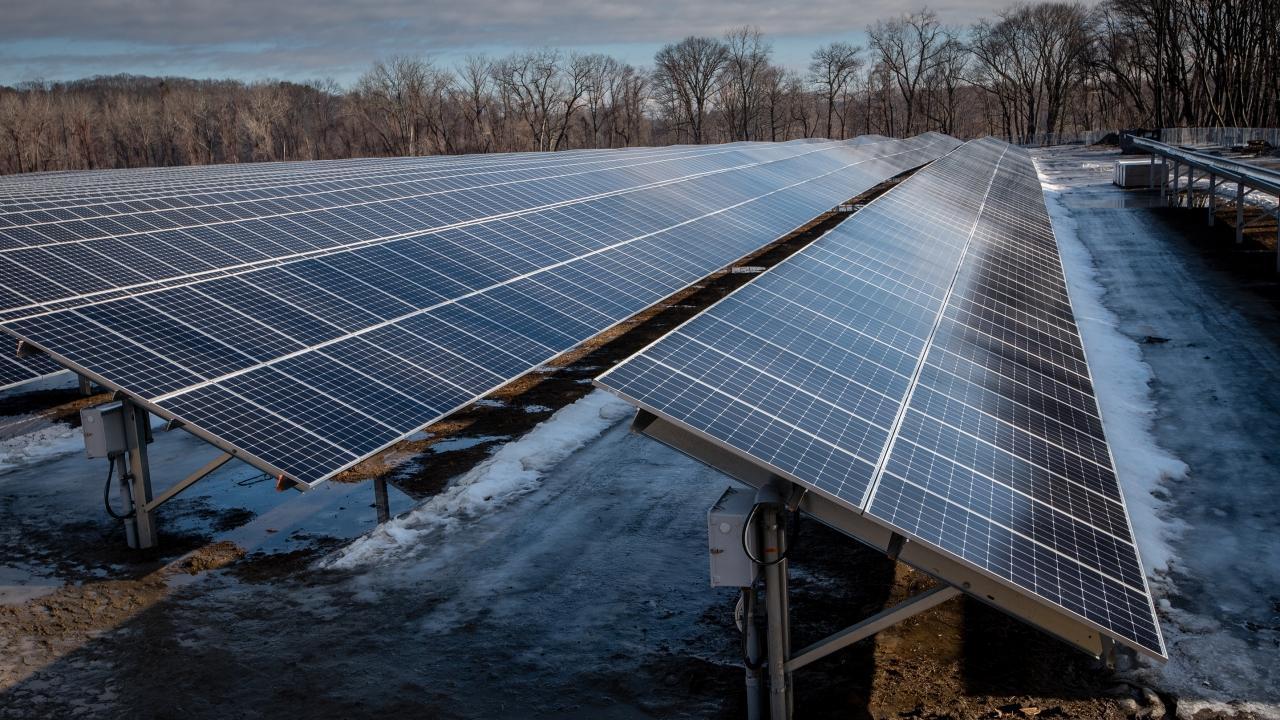
This will be a hot summer for solar and storage developers in Massachusetts as the Commonwealth kicks off its SMART program, providing tiered incentives to promote solar with an additional kicker if there is storage attached. It’s an exciting program—the first of its kind outside of California, and one of the first ever in the U.S. to promote energy storage coupled with community solar (direct contracts between solar arrays and residents).
The Hidden Benefits of a Sustainable Mindset
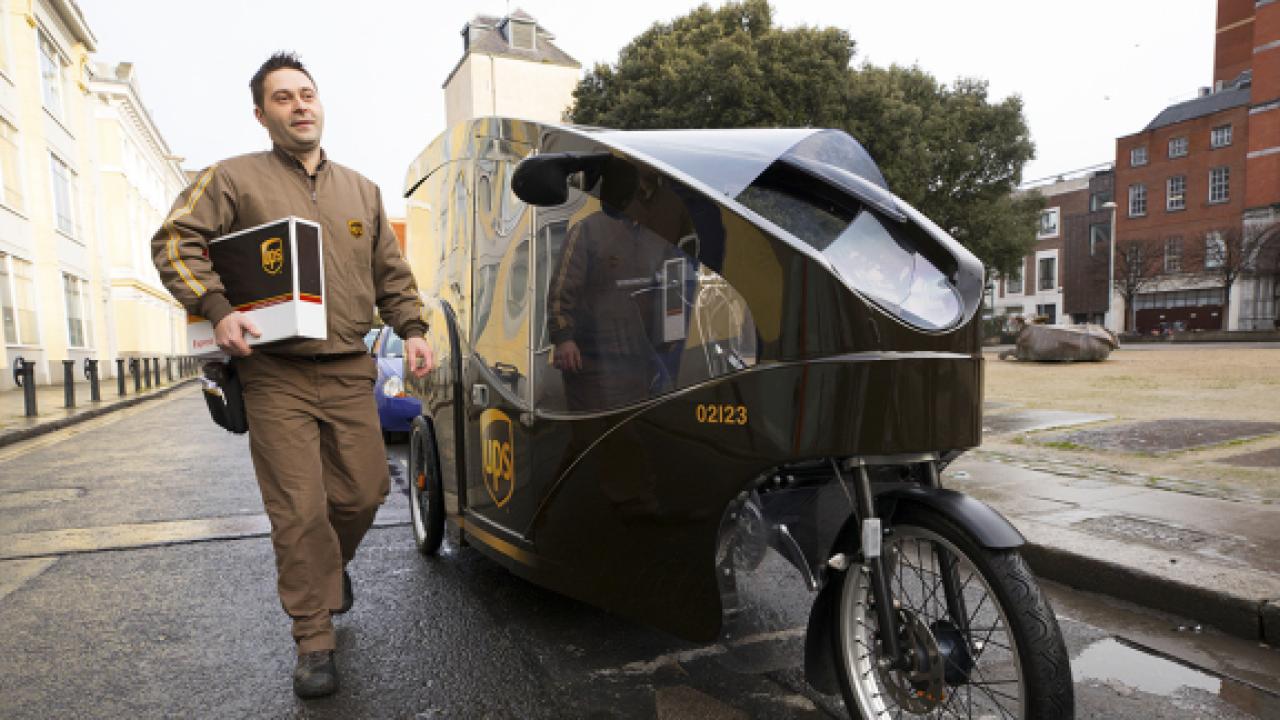
The link between sustainability and innovation is clear at companies like UPS. With Earth Day ahead, European Director of Sustainability at UPs shares how embracing sustainability and collaboration has led to innovative new clean technologies.
UPS
Weakening Fuel Efficiency and Emissions Standards is Bad for Economy, Auto Industry
In response to the U.S. Environmental Protection Agency (EPA) announcement today that current vehicle fuel economy and emission standards need to be weakened, Carol Lee Rawn, director of transportation at Ceres, which works with influential investors and Fortune 500 companies on sustainability issues, stated, “Major investors and businesses understand that rolling back the Corporate Average Fuel Economy (CAFE) and emissions standards will undermine the global competitiveness of the U.S. auto industry at a time when the rest of the world is moving in the opposite direction, prioritizing clean vehicles and responding to consumer demand for cars that save them money.”
Massachusetts Can Learn From the Business Community’s Clean Energy Leadership
Massachusetts is a national hub for innovation in the technology, healthcare, and clean energy sectors. From world-class universities to a rapidly growing biotechnology industry and unparalleled healthcare sector, Bay State businesses and institutions are on the cutting edge. So, it comes as no surprise that a growing number of companies are investing in the rapidly growing clean energy sector and powering their operations with renewable energy and energy efficiency. As the businesses community embraces clean energy, Massachusetts must do its part to keep pace and strengthen the Commonwealth’s clean energy policies this legislative session.
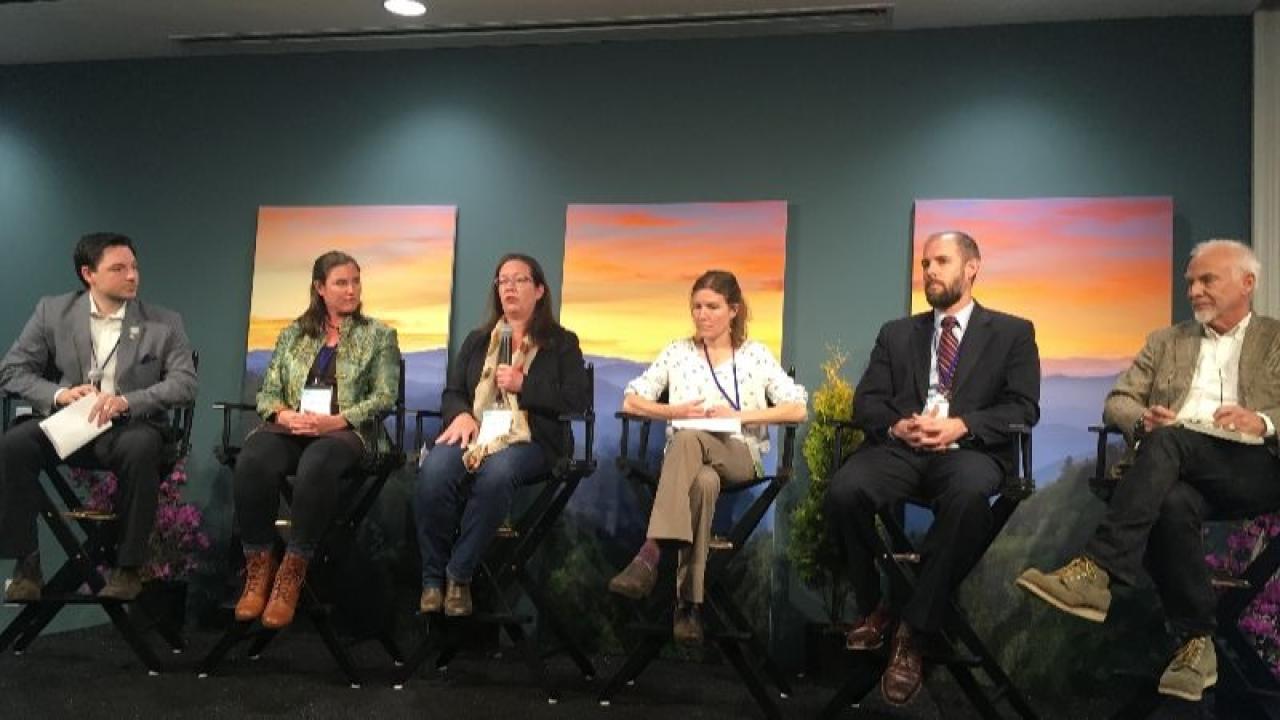
Ingersoll Rand Joins “We Are Still In” Panel Discussion
Holly Emerson, senior analyst, Center for Energy Efficacy and Sustainability at Ingersoll Rand, joined other North Carolina industry leaders in a “We Are Still In” regional panel discussion at the ClimateCon 2018, Business of Climate Forum. The discussion explored the importance of being “still in,” and how deep collaboration between stakeholders and the We Are Still In network helps everyone achieve their own climate goals through expertise and resources.