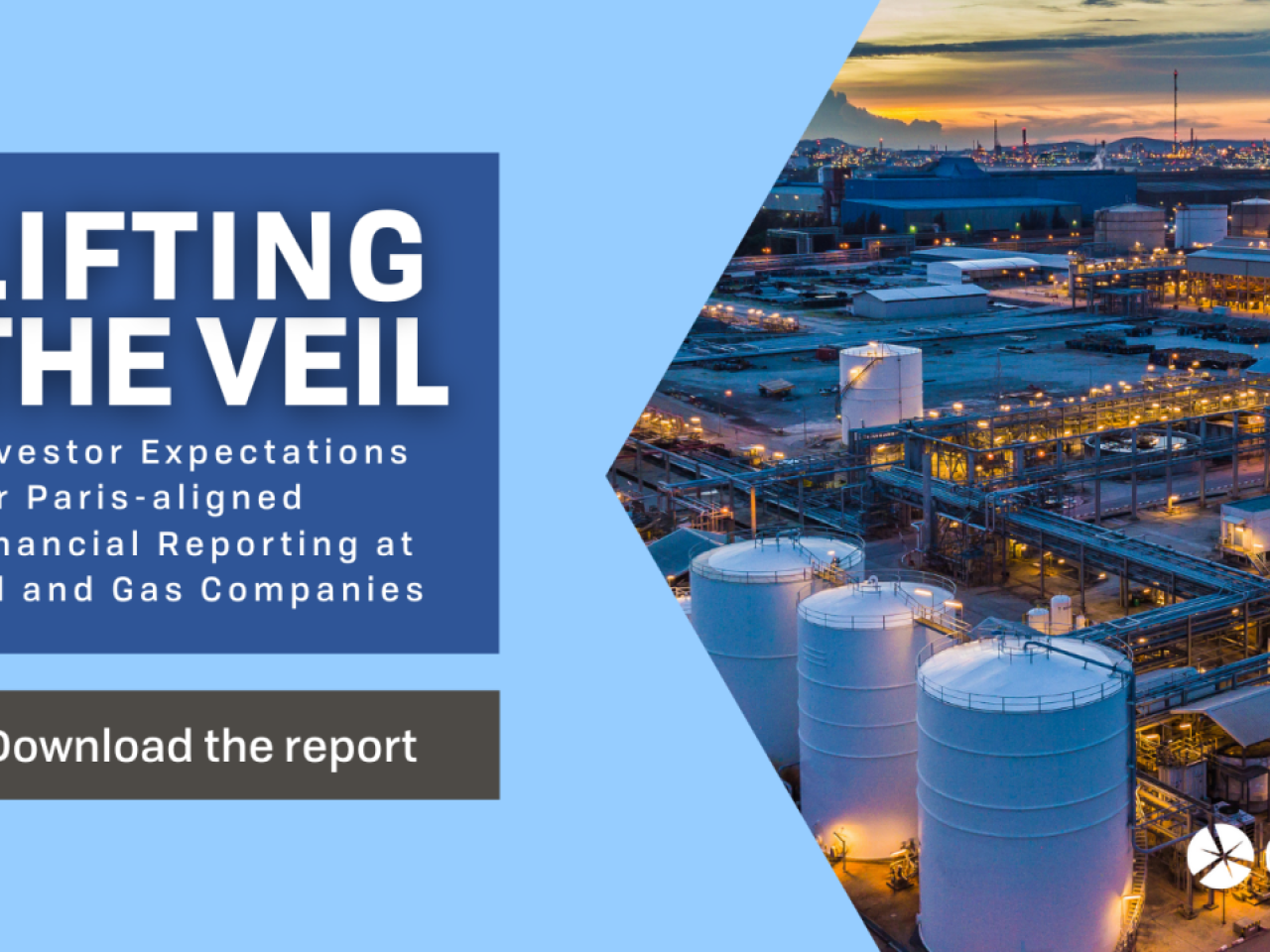
U.S. oil and gas companies, and their investors, are at risk of significant stranded assets because they are not adequately reflecting the impacts of the climate crisis and the clean energy transition in their financial reporting
According to the Intergovernmental Panel on Climate Change (IPCC), renewable energy sources could account for more than 70 percent of the global energy supply by 2050. The figure may be based on optimistic assumptions, but one thing is clear: Our future energy supply will come from renewable resources. However, several obstacles need to be overcome before we get to that point.
In the latest Build 100 Blog article, John Gϋlen, senior principal engineer at Bechtel, explores clean power-generation solutions for customers and countries that base their energy consumption on fossil fuels.
In June, CSX released its sixth annual Corporate Social Responsibility Report, tracking the company’s performance against key goals and exploring the issues important to diverse stakeholders who work with, live near, and ultimately depend on this company.
Cities across the globe have followed multiple tracks in their quest to become “smart.” It isn’t a question of right or wrong. However, two key themes are emerging in their approach – either start with a pilot project that produces quick results, or undertake a comprehensive master plan that strategically lays out the coming years and decades.
TUI Group, the world’s leading tourism business, today launched its latest Sustainability Report. Following on from the launch of last year’s ‘Better Holidays, Better World’ sustainability strategy, this report tracks TUI Group’s progress in the first year of its ambitious 2015 – 2020 plan. TUI Group is committed to managing its impacts on the economy, society and environment, as well as leading the way in understanding, improving and innovating for sustainable tourism.
It used to be that the quality of infrastructure was measured by its lifespan. Water systems might last a century, and power plants at least half that. Those were measurements of solid assets, well worth the investment. But today, dependable infrastructure is just not enough. While it must be resilient and have an extended life cycle, now it must also be intelligent and communicate with other systems in ways that were unknown only a few years ago.
Black & Veatch and Schneider Electric USA have formed a joint venture to design and construct an energy security microgrid at Marine Corps Air Station (MCAS) Miramar, in San Diego, California. The microgrid solution will allow operations at mission-critical facilities to continue uninterrupted if the utility power grid is compromised or damaged.
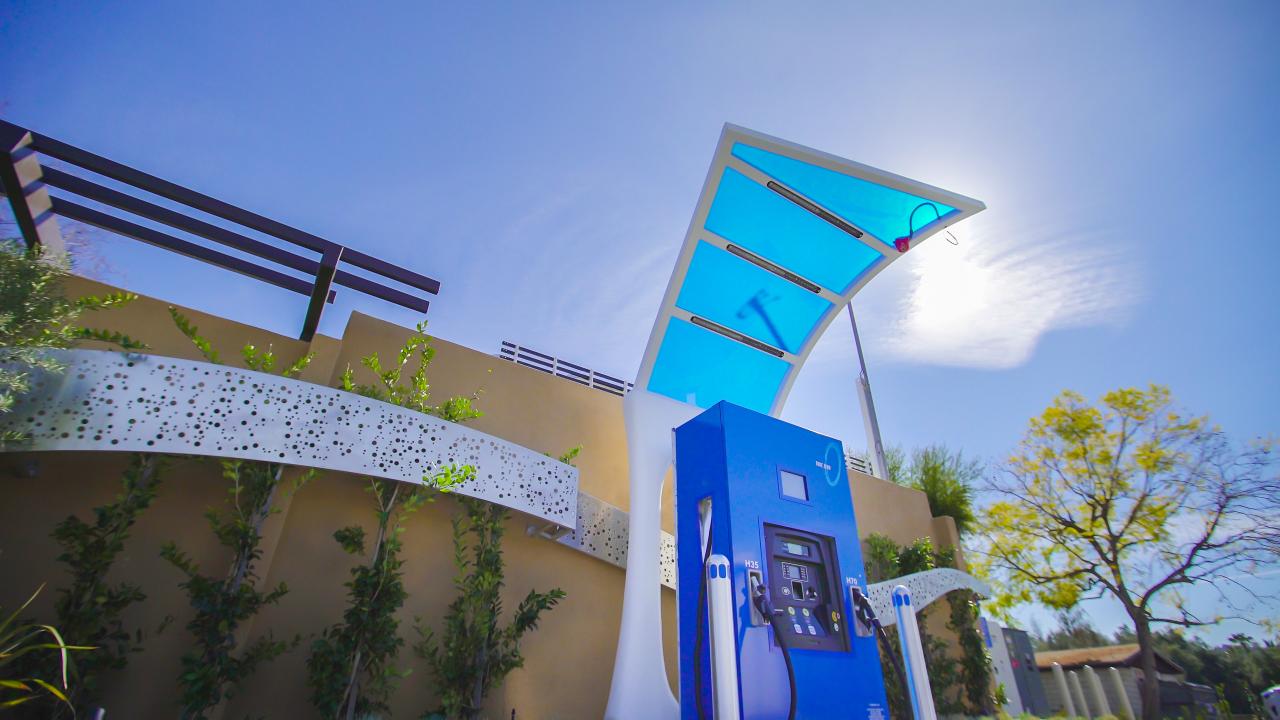
It’s the classic chicken-or-the-egg question. If attempting to revolutionize the auto industry, do you introduce the car or the supporting infrastructure first? For Joel Ewanick, the answer was obvious – get the infrastructure in place.
Cascale shares updates on its strategic partnerships with industry stakeholders geared toward shifting the industry into one that gives back more than...
Cascale shares insights regarding policy and regulation impacting the consumer goods industry, and highlights how it's supporting members prepare for...