Responsible Production & the Circular Economy

Corporate stories about Responsible Production & the Circular Economy across 3BL's network.

Latest in Responsible Production & the Circular Economy

More Stranded Assets
Much attention has been paid to the concept that global warming will cause a dramatic drop in the value of carbon
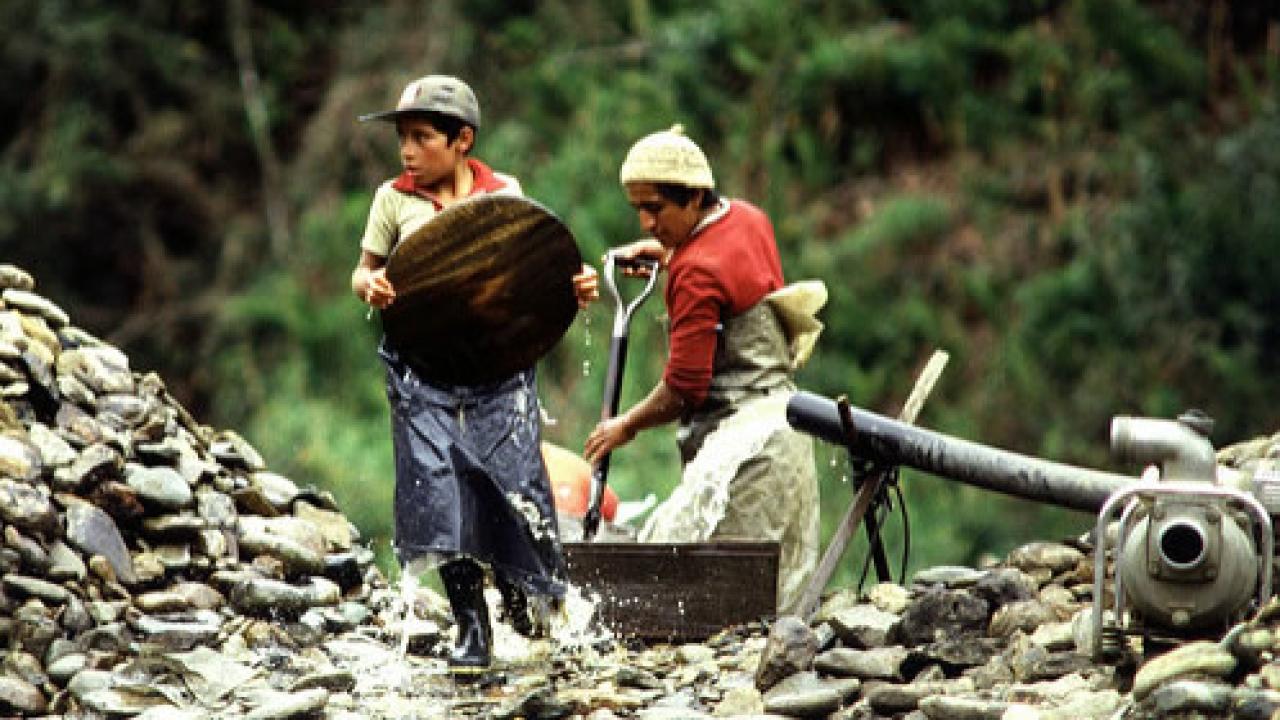
reserves. A major shift towards non-carbon-based energy and non-carbon feedstocks for chemical processes could “strand” assets tied to oil drilling, coal mining, and fracking activities. Various groups have tried to quantify the downside risk to energy companies, if the response to climate change occurs.

However, there are other assets that climate change could strand. And, there are other sustainability trends that could result in stranding other types of assets. Both corporate managers and investors should probably examine these risks, too.
De Beers’ New Diamond Mine Picks up its Third Award
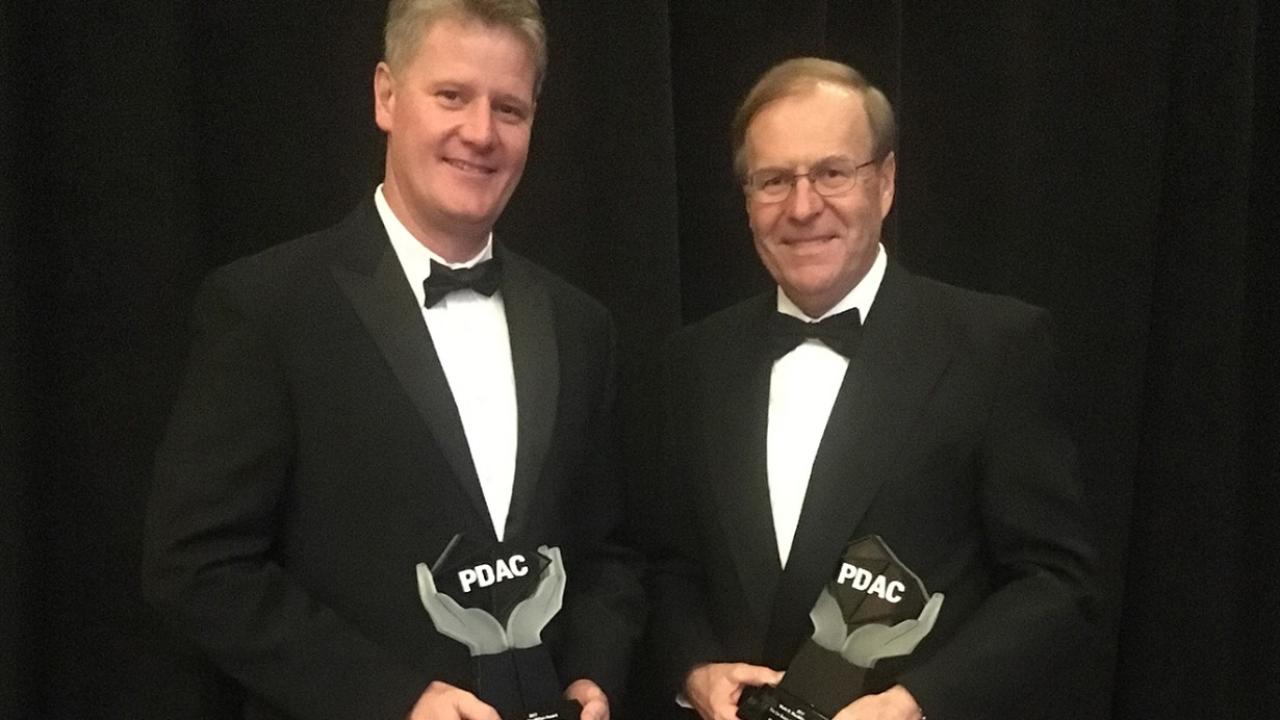
De Beers’ Gahcho Kué mine, which has just begun full commercial production, has won its third major award.
Automation: How Business Can Lead a Sustainable Transition
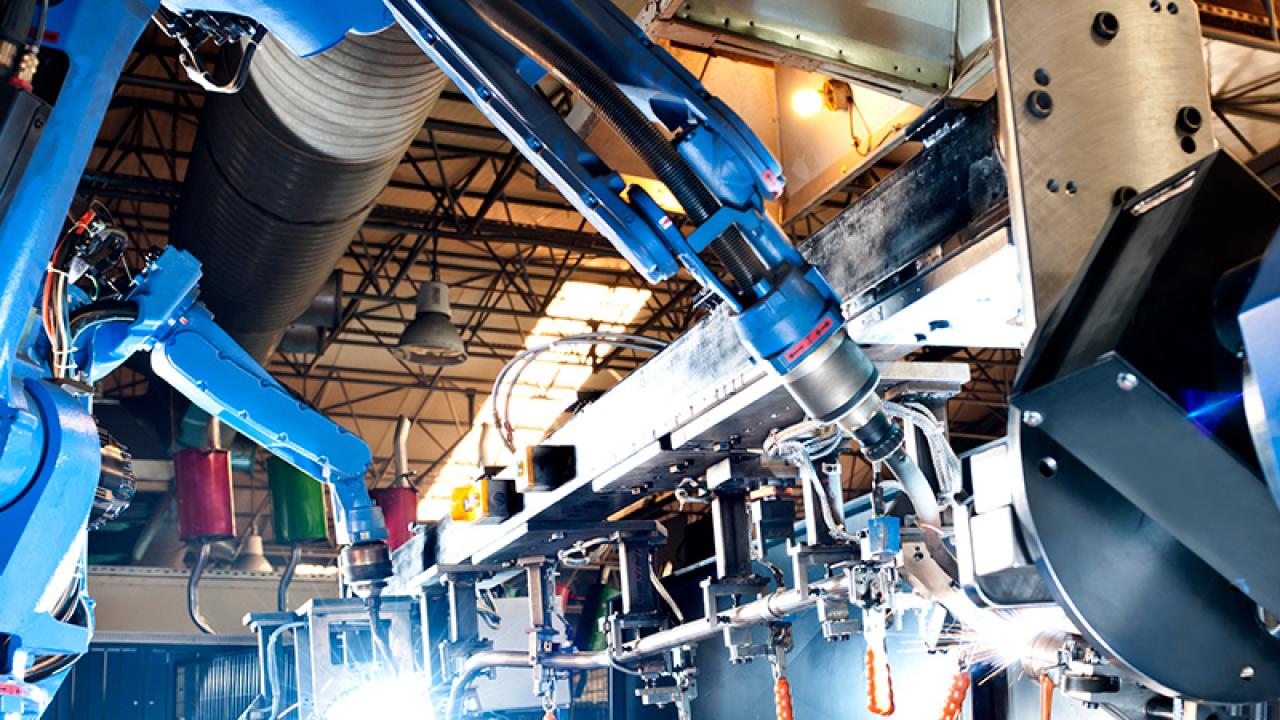
Adopting these four practices can help companies facilitate a smooth transition to automation.
BSR
How Purina Made Fetch Happen [Again]
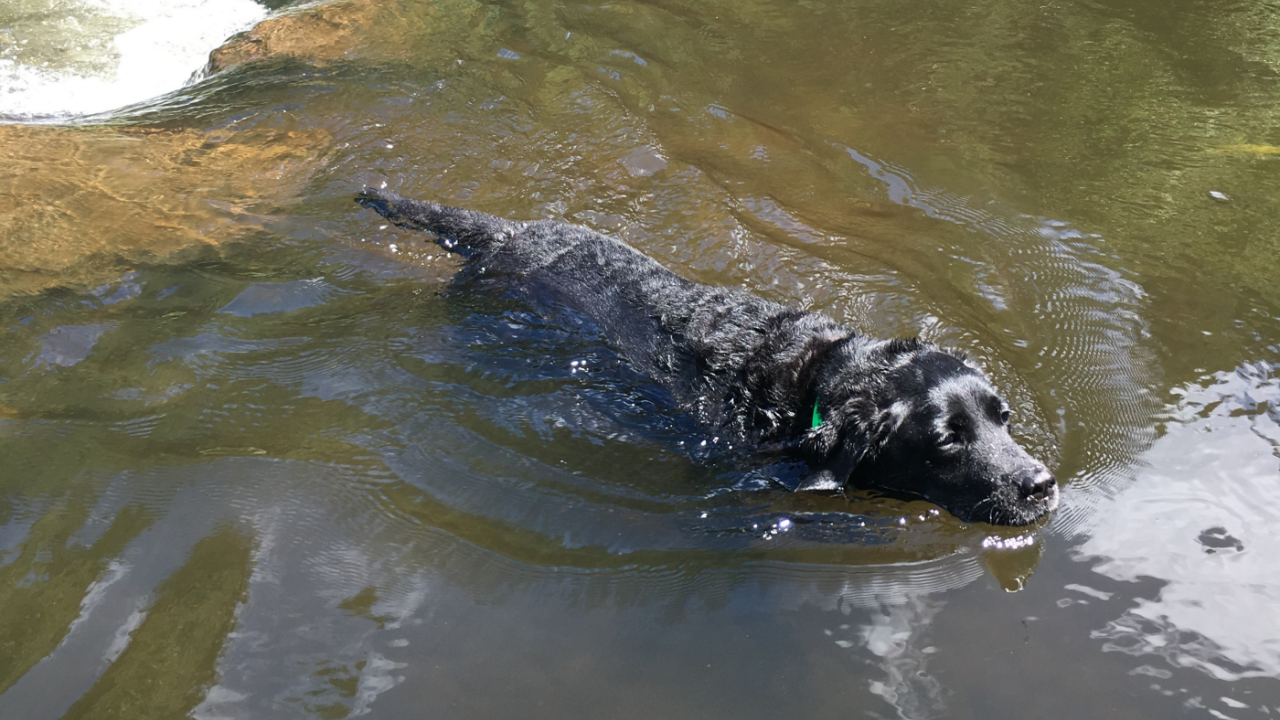
As an older dog, life can sometimes be a little ruff. Around age 7 I felt myself slowing down — it took me a little longer to find the stick, or to realize there was a squirrel nearby which needed my help being swiftly directed towards a tree.
Staying the Course: Business Bolsters Sustainability Through Innovation
There is no doubt that last week’s Executive Order to repeal the Clean Power Plan sent many in the sustainability community reeling. In the midst of this chaos, companies are now either re-evaluating their strategy or re-committing to current plans. Many leaders have already voiced their opinions, from Jeff Immelt at GE to Lynn Good of Duke Energy, calling business into action and encouraging companies to assume a greater role in the fight to preserve climate change policies. In the face of a reality where government regulations have been, and will continue to be rolled back, business is increasingly filling the void and, I hope, will emerge as stewards of sustainability and climate action.
Third-party Green Certifications Give DIY Projects Environmental Authenticity
By Erin Vaughan, Modernize.com (Reprinted with permission by SCS Global Services)

If you buy a product that claims to include “50 percent more recycled material,” how do you know how much “50 percent more” really is? Did the manufacturer go from 20 percent post-consumer materials to 40 in its newest offerings? Or is the manufacturer simply obscuring the fact that its recycled content increased from just one percent to two? Herein lies the problem with unverified advertising claims.

The word for it is greenwashing, the corporate practice of touting vague or misleading environmental claims for a product. Greenwashing is nothing new—the idea has been floating around since the late 1980s since green marketing claims emerged as a major force in the marketplace.
Boosting Ghana’s Economic Backbone
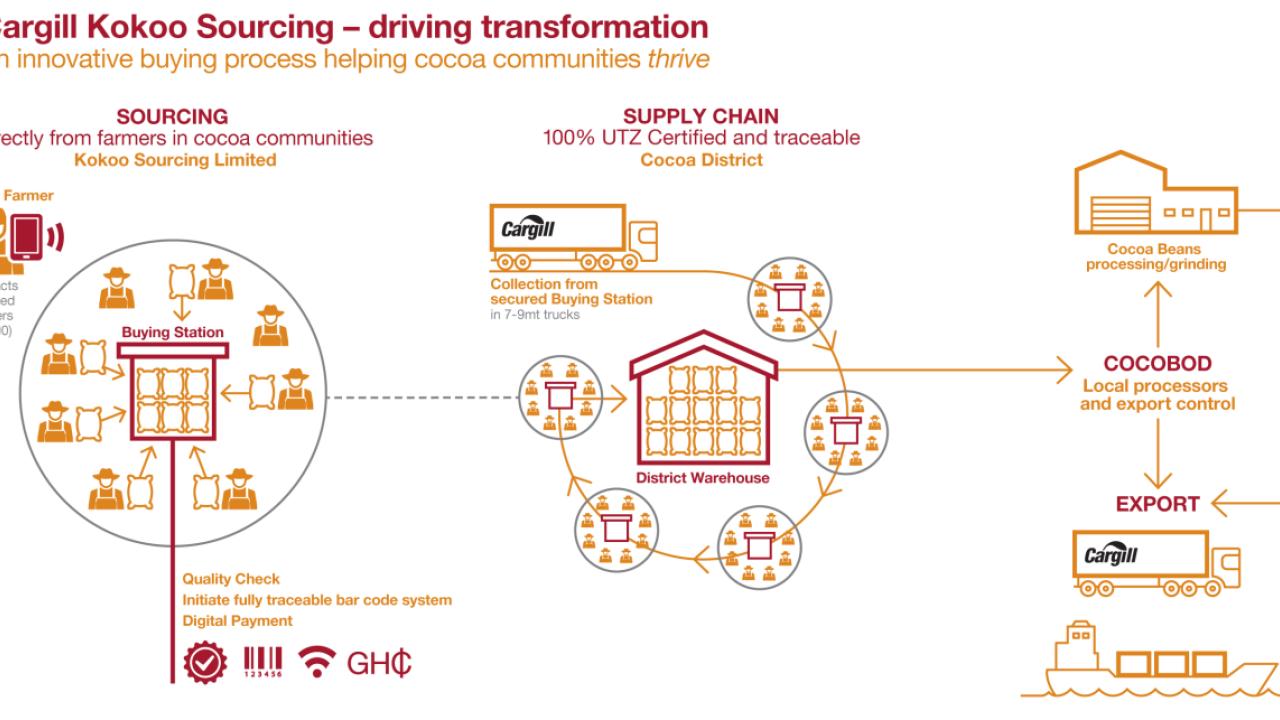
Cargill’s cocoa sustainability program aims to deliver sector-wide transformation in the world’s second biggest cocoa producing region. It’s a strategy aligned to the government of Ghana’s plans to reinvigorate the economy.
Unreasonable Impact: The Most Responsible Fabric on the Planet: Q&A With Thread
Thread is bringing transparency and fair treatment back into apparel by producing fabrics transformed from plastic bottles found in the streets of some of the poorest communities on the planet.
GM Earns ENERGY STAR® Award for Environmental Leadership
General Motors earned the 2017 EPA ENERGY STAR® Partner of the Year — Sustained Excellence award for continued leadership in protecting the environment through superior energy efficiency. GM’s commitment to reducing energy intensity saved $73 million in energy costs last year and avoided 388,000 metric tons of carbon emissions, equivalent to the electricity use of 57,000 U.S. homes.

General Mills Reports Progress on Global Responsibility Commitments and Programs
General Mills released its 2017 Global Responsibility Report, outlining the company’s approach to creating environmental, social and economic value in the countries where it operates. General Mills continues to make significant progress toward nutrition improvements and sustainable sourcing of their food, as well as climate and pollinator protection – all key highlights of this year’s report.