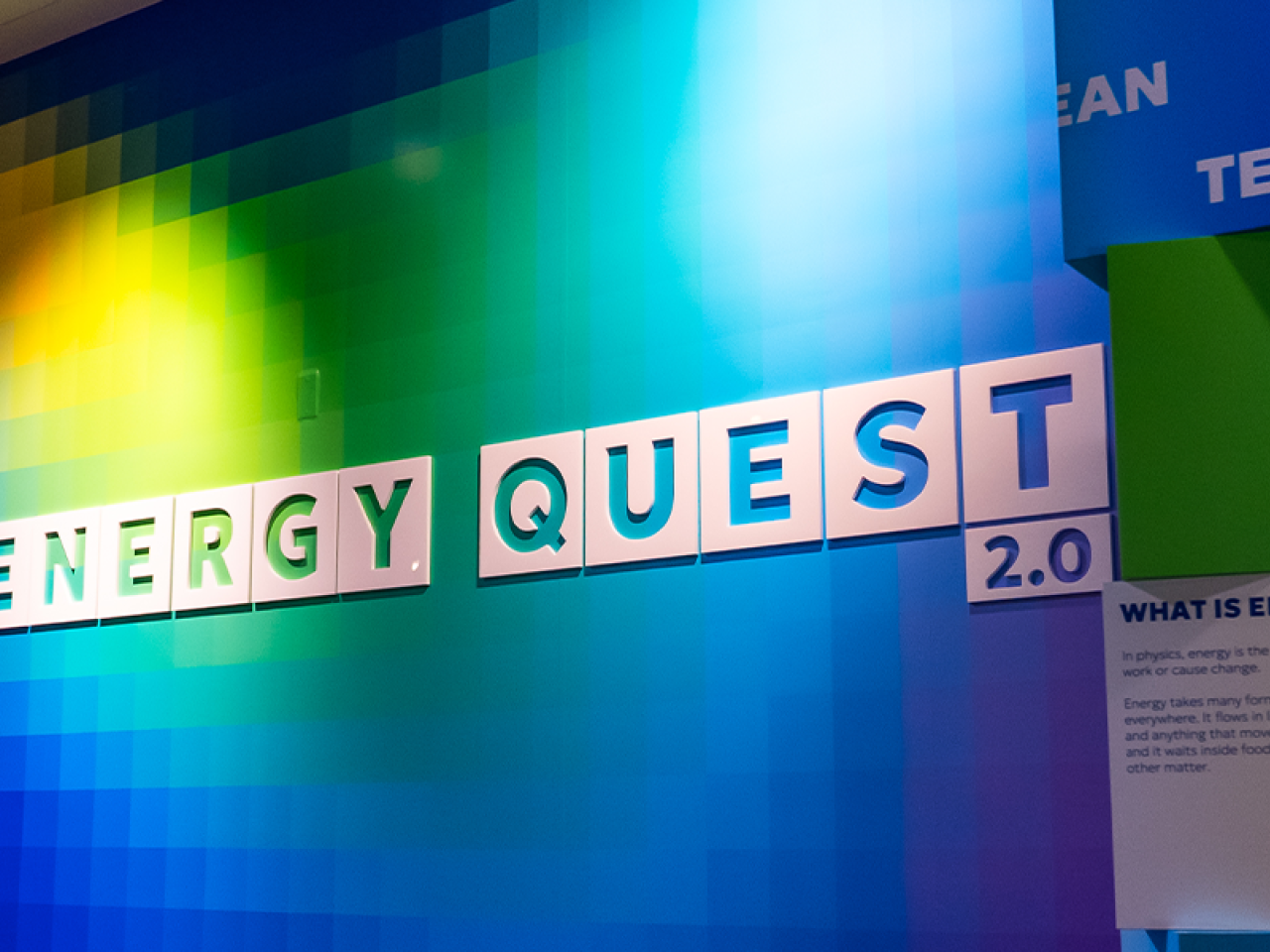
Liberty Science Center’s Energy Quest 2.0 exhibit welcomes exciting new experiences on renewable energy sources, including geothermal, wind, hydro, and solar energy.
A leading technology company like Siemens has to do everything possible to identify paradigm shifts in time and adapt to new realities. Today, digitalization is triggering paradigm shifts that impact all of our company’s businesses – whether in the area of manufacturing, energy systems, infrastructure or medical engineering.
Carnival Corporation & plc, DNV·GL, ENGIE, ENN, GE, GTT, Lloyd’s Register, Mitsubishi Corporation, NYK Line, Port of Rotterdam, Qatargas, Shell, Tote, Inc. and Wartsila have announced a new cross-industry initiative called SEA\LNG, to accelerate the use of liquefied natural gas (LNG) as a marine fuel.
From Alberta to Quebec to New Brunswick, Energy East connects Western Canada’s abundant resources with industry centres in the east, creating thousands of jobs and investments in local communities along the way and reducing our reliance on foreign oil.
An electrically-powered aerobatic aircraft manufactured by Extra Aircraft has successfully undergone its maiden flight. Its record-setting motor was developed by Siemens.
The fossil fuel divestiture campaign GoFossilFree equates the end of oil, gas and coal to the great moral crusades of our time — Apartheid and tobacco — while hoping to reduce demand for fossil fuel stocks and thereby threaten their stock prices.
Today we are celebrating World Facilities Management Day (World FM Day), dedicated to recognizing the men and women across the globe who take on the challenging responsibility of maintaining the safety, efficiency and usability of our workplaces.
Unleashing the Power of Innovation, Sustainability and Stewardship -- Welcome to an exciting new "GreenMoney" issue featuring five unique perspectives on the World of Energy Today and Tomorrow including the implications of Climate Change and Divesting from Fossil Fuels; the Structural (and Possibly Abrupt) Decline of Fossil Fuels; the Future of Energy in the Developing World; after the Paris Agreement, the Smart Bet is on a Clean Energy Future; and which US States are Leading the Transition to a Clean Energy Economy
The nation’s largest electric producers continue to substantially reduce emissions of key air pollutants, the latest comprehensive analysis of U.S. power plant emissions shows.
Promoting a sense of pride and beautification in the Dearborn, Mich. community, Bazzi Oil & Gas Company, a CITGO Petroleum Corporation Marketer, recently received the Dearborn City Beautiful Commission’s Business Standard of Excellence Award for maintaining and enhancing the appearance of its CITGO station property.
Cascale organizes and participates in a series of events, leveraging its position as a global convener of close to half the sector to bring together...
Cascale shares updates on its strategic partnerships with industry stakeholders geared toward shifting the industry into one that gives back more than...
Advanced security, fraud, and data protection, Keeping your accounts and information secure is a priority for us, and we know it’s a priority for you...
Diverse teams build better products — period. At GoDaddy, we make apps and services that our worldwide community of entrepreneurs can relate to. Our...
Our Prescription for a Better World framework is organized around three key pillars: building healthy communities (Health in Action), protecting the...