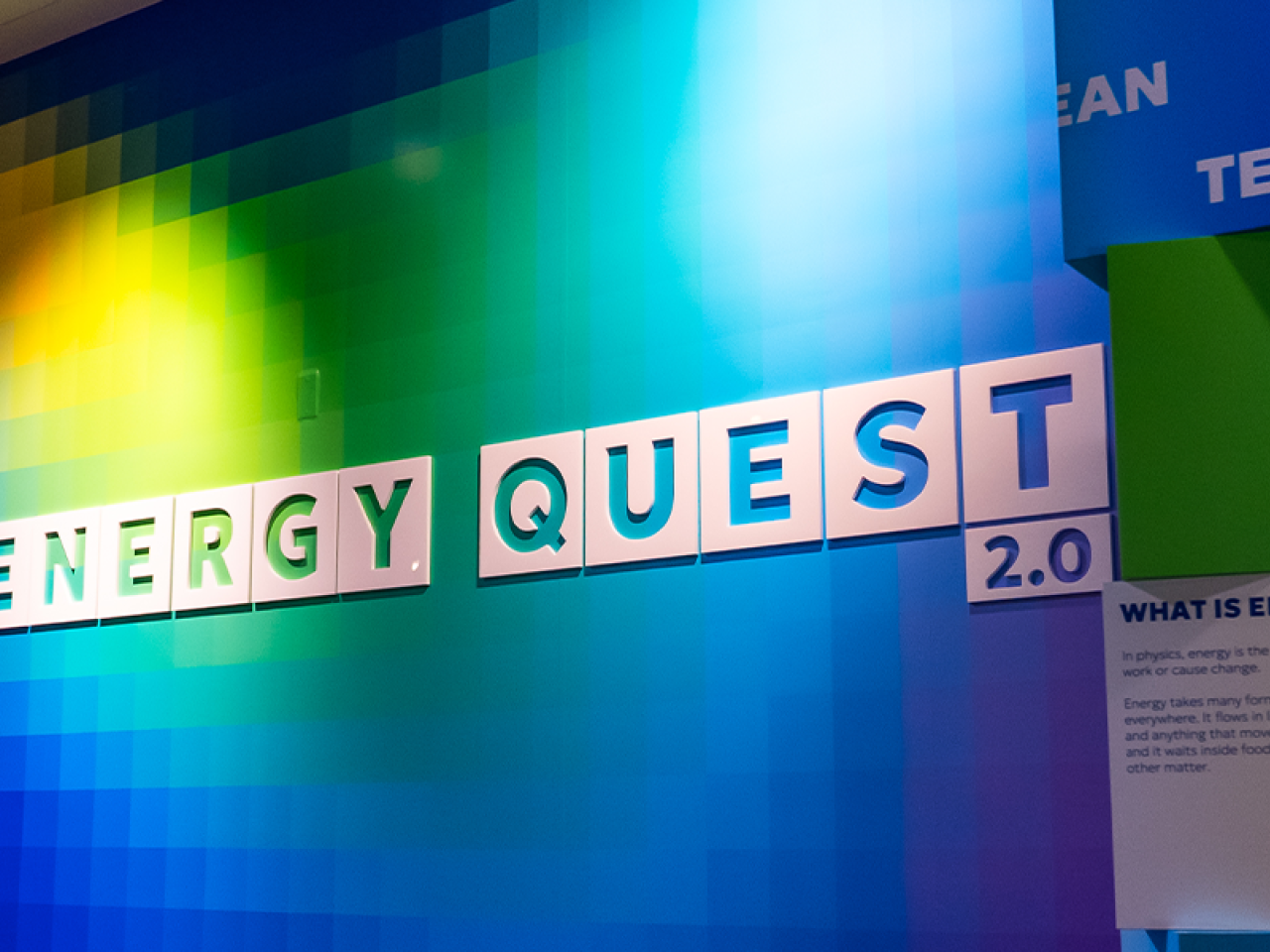
Liberty Science Center’s Energy Quest 2.0 exhibit welcomes exciting new experiences on renewable energy sources, including geothermal, wind, hydro, and solar energy.
LONDON—Companies should publish an assessment of the losses they could suffer through climate change as part of their routine financial statements, according to a panel of financial and business executives chaired by Michael Bloomberg.
Stephanie Leaist is a member of the Task Force on Climate-related Financial Disclosures, and managing director, Head of Sustainable Investing at Canada Pension Plan Investment Board
A global task force set up to try to prevent market shocks from the warming of the planet will ask companies to disclose how they manage risks to their business from climate change and greenhouse gas emission cuts.
2016 began - as recorded here on Forbes - noting that climate change was becoming very real in the financial world. As we head towards the end of what has been a tumultuous year, the Financial Stability Board (FSB) is clear the message needs to be reinforced, not dismissed.
Corporations, especially those in the financial and energy sectors, should provide investors with clear and systematic disclosure of the risks that climate change poses to their future economic health, a task force reporting to Bank of England Governor Mark Carney recommended Wednesday.
A task force led by Michael Bloomberg and backed by Mark Carney has urged companies to disclose to investors the impact of climate change on their businesses.
The launch of TCFD's recommendations were today hailed as a landmark moment for investors campaigning to have climate considerations integrated into mainstream reporting.
Companies should use a range of existing, publicly-available climate-related scenario analysis or develop their own in order to assess the risks posed to their business by climate change, according to the Financial Stability Board (FSB) Task Force on Climate-Related Financial Disclosures (TCFD).
Cascale organizes and participates in a series of events, leveraging its position as a global convener of close to half the sector to bring together...
Cascale shares updates on its strategic partnerships with industry stakeholders geared toward shifting the industry into one that gives back more than...
Advanced security, fraud, and data protection, Keeping your accounts and information secure is a priority for us, and we know it’s a priority for you...
Diverse teams build better products — period. At GoDaddy, we make apps and services that our worldwide community of entrepreneurs can relate to. Our...
Our Prescription for a Better World framework is organized around three key pillars: building healthy communities (Health in Action), protecting the...